
Rushing into VR without proper preparation often backfires because it leads to disappointment, safety risks, and frustration. If you skip research, you might not understand your hardware limits or set up a safe environment, increasing the chances of accidents. Poor hardware can cause lag and discomfort, making experiences less enjoyable. Jumping into advanced experiences too soon can be overwhelming. Taking your time guarantees safety, comfort, and better results—if you want to learn how to avoid these pitfalls, keep exploring.

Play games on Amazon Luna for your next adventure, included with Prime
- A rotating selection of games, no download needed
- Play on TV, laptop or phone
- Fast, free delivery for your gear, too
Key Takeaways
- Rushing neglects proper setup and environment, increasing safety risks and reducing immersion quality.
- Insufficient research leads to unrealistic expectations and disappointment with hardware limitations.
- Hurrying hardware upgrades can cause compatibility issues and decreased user satisfaction.
- Skipping calibration and testing results in tracking errors and motion sickness.
- Impatience prevents gradual adaptation, reducing overall enjoyment and long-term engagement with VR.

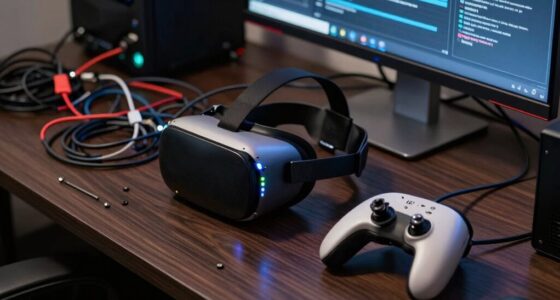
Diving headfirst into virtual reality without proper preparation often leads to disappointment and setbacks. You might expect an immersive experience that transports you to another world, but instead, you encounter frustrating glitches, discomfort, or technical hurdles. One of the biggest reasons for this is underestimating how critical a smooth user experience is to enjoying VR. When you rush in, you often overlook the importance of comfortable hardware and optimized software, which are essential for a seamless experience. If your hardware isn’t up to par—say, a headset with low resolution, limited tracking capabilities, or insufficient processing power—you’ll quickly notice a drop in quality. These hardware limitations can cause lag, blurry visuals, or even motion sickness, all of which diminish your enjoyment and make the experience more of a chore than entertainment.
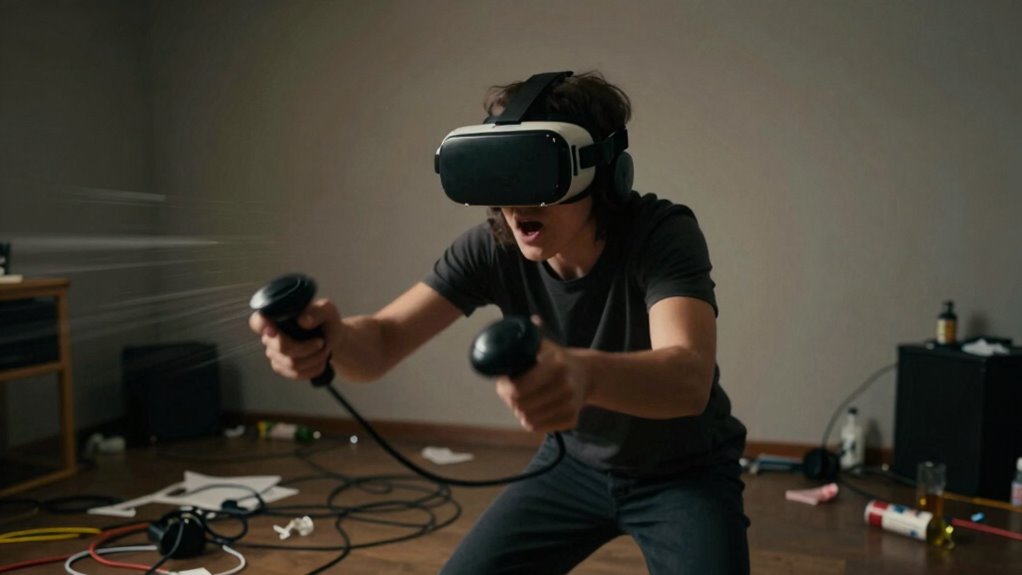
When you jump into VR too quickly, you might also neglect the importance of setting up your environment properly. A cluttered or poorly lit space can lead to accidental bumps and injuries, especially when the hardware’s tracking isn’t precise. This can turn what should be a fun activity into a safety hazard, further souring your experience. Additionally, you may not be aware of the hardware’s limitations, like short battery life or uncomfortable ergonomics, which can cause fatigue and frustration over time. These factors all impact how you perceive VR, and rushing in often means missing the opportunity to address them beforehand. Recognizing the significance of hardware limitations and how they influence your overall experience can help you make more informed choices. Developing a mindful approach to VR setup and use can prevent many common pitfalls and enhance your enjoyment.
Furthermore, the user experience goes beyond just hardware. It involves understanding the software, learning how to navigate the interface, and managing expectations about what your system can deliver. If you set unrealistic goals or expect cutting-edge experiences on outdated gear, disappointment is inevitable. Jumping into advanced VR experiences without proper research can leave you feeling overwhelmed or underwhelmed. It’s also important to stay informed about software updates and improvements, as they can significantly enhance your experience over time. Being aware of the software development cycle can help you plan upgrades and avoid frustration. It’s better to start with simpler applications, gradually upgrading your hardware and software as you learn what works best for you. Developing a comprehensive understanding of your system’s capabilities can greatly improve your overall satisfaction and reduce frustration. Patience and gradual acclimation are vital in building confidence and competence in this new environment.
In essence, the key to a satisfying VR journey is patience. Take the time to research, invest in quality hardware, and calibrate your setup properly. Don’t assume you can just put on a headset and instantly have an optimal experience. When you prioritize a good user experience and acknowledge hardware limitations, you set yourself up for longer-lasting enjoyment. Rushing into VR often means sacrificing quality, safety, and comfort—mistakes that could turn you off from exploring this exciting technology altogether. Instead, approach it thoughtfully, and you’ll find the immersive world of VR more rewarding and accessible.
As an affiliate, we earn on qualifying purchases.
Frequently Asked Questions
How Long Does It Typically Take to See Benefits From VR Integration?
You can typically start seeing benefits from VR integration within a few weeks to a month, especially with consistent VR training and immersive marketing efforts. When you implement VR gradually, you’ll notice improvements in engagement, learning retention, and customer experience. Rushing the process often delays these benefits. By giving your team time to adapt and refine your VR strategies, you’ll maximize its impact and secure long-term success.
What Are Common Safety Concerns With Early VR Adoption?
When adopting VR early, you should watch out for ergonomics concerns, like discomfort from prolonged headset use, and privacy issues, such as data collection risks. You might experience strain or fatigue if you don’t set up your workspace properly, and sensitive information could be compromised if privacy protocols aren’t in place. Staying aware of these concerns helps you prevent injuries and protect your personal data, ensuring safer, more effective VR experiences.
Can Small Businesses Effectively Implement VR Technology?
You can effectively implement VR technology in your small business, especially for virtual training and boosting customer engagement. Did you know 71% of users say VR improves their learning experiences? By starting small with accessible tools and focusing on practical applications, you avoid costly mistakes. Carefully integrating VR allows you to enhance staff skills and create memorable customer interactions without overwhelming your resources.
What Are the Initial Costs Involved in Adopting VR?
The initial costs of adopting VR include a thorough cost analysis to understand expenses involved. You’ll need to take into account hardware requirements like VR headsets, powerful computers, and motion sensors, which can be substantial investments. Additionally, software development or licensing costs might apply. Planning ahead helps you avoid unexpected expenses, ensuring your small business can integrate VR effectively without overextending your budget.
How Do User Experiences Vary Across Different VR Platforms?
You’ll find that user experiences vary widely across different VR platforms, primarily due to differences in virtual immersion and user engagement. Some platforms offer highly immersive visuals and intuitive controls that captivate you, while others might lack seamless interaction, reducing engagement. Your comfort level and hardware quality also influence how deeply you connect with the experience. Choosing the right platform enhances virtual immersion, making your VR sessions more enjoyable and engaging.
VR safety mat and boundary system
As an affiliate, we earn on qualifying purchases.
As an affiliate, we earn on qualifying purchases.
Conclusion
Rushing into VR is like jumping into a cold pool without testing the waters — it might seem exciting, but it can leave you feeling overwhelmed and unprepared. Taking your time guarantees you don’t drown in the waves of tech glitches or unrealistic expectations. Patience acts as your lifeguard, guiding you safely through the currents of innovation. So, pause, plan, and plunge when the time’s right — that’s how you turn a splash into a smooth swim.
VR calibration and tracking accessories
As an affiliate, we earn on qualifying purchases.
As an affiliate, we earn on qualifying purchases.
ergonomic VR headset for comfort
As an affiliate, we earn on qualifying purchases.
As an affiliate, we earn on qualifying purchases.
Fall Picks
fall essentials
As an affiliate, we earn on qualifying purchases.