
TL;DR
The VA has added virtual reality to its mental health toolkit for primary care veterans. This new approach aims to improve mental health treatment, especially for PTSD and anxiety. The development is confirmed and part of ongoing efforts to expand mental health services.
The Department of Veterans Affairs (VA) has integrated virtual reality (VR) technology into its mental health toolkit for veterans receiving primary care services. This move aims to provide innovative treatment options for conditions such as PTSD, anxiety, and depression. The initiative is part of the VA’s broader effort to enhance mental health care accessibility and effectiveness for veterans.

Play games on Amazon Luna for your next adventure, included with Prime
- A rotating selection of games, no download needed
- Play on TV, laptop or phone
- Fast, free delivery for your gear, too
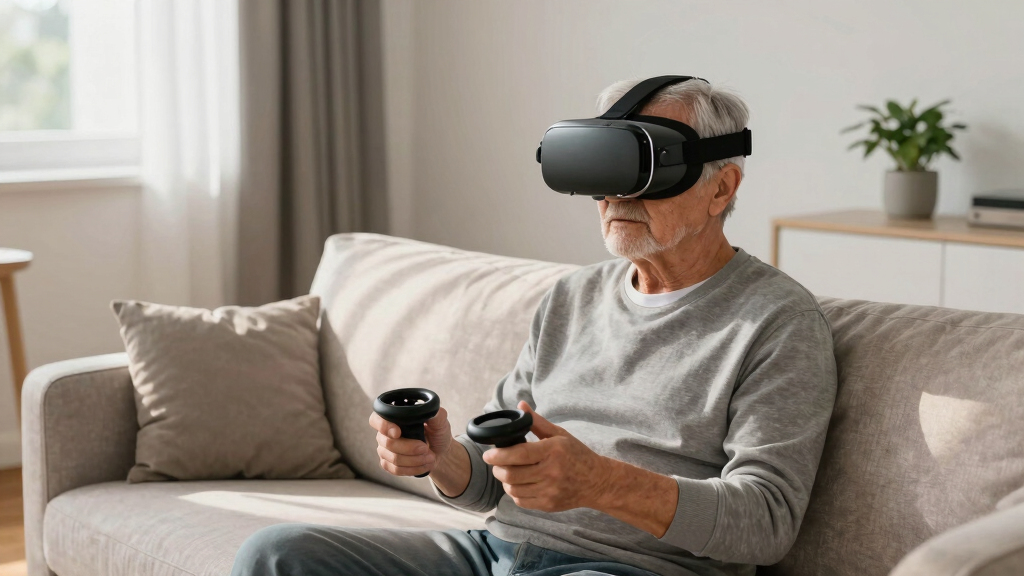
The VA announced that virtual reality-based therapy has been added to its mental health services available through primary care clinics. This technology allows veterans to engage in immersive, controlled environments designed to aid in exposure therapy and stress reduction. According to VA officials, the VR program is currently being implemented at select VA facilities nationwide, with plans for broader rollout.
Officials state that the VR modules are tailored for various mental health conditions, including post-traumatic stress disorder (PTSD), anxiety, and depression. The technology is intended to supplement existing therapies, such as counseling and medication, offering a new avenue for treatment engagement. The VA emphasized that the initiative is based on evidence supporting VR’s efficacy in mental health treatment, citing recent pilot studies.
While the VA has not disclosed specific metrics or patient outcomes from the initial phase, officials confirmed that veterans participating in the VR program report increased engagement and comfort with therapy sessions. The program is part of VA’s ongoing efforts to modernize mental health services and leverage technological advancements to better serve veterans.
Potential Impact on Veterans’ Mental Health Care
This development could significantly improve mental health treatment for veterans, especially those with PTSD or anxiety, by providing immersive, accessible therapy options. Virtual reality has shown promise in clinical settings for reducing symptoms and increasing engagement, which may lead to better outcomes. The VA’s adoption of VR reflects a broader trend toward integrating innovative technologies into healthcare, potentially setting a precedent for other federal and private providers.
For veterans, this means increased access to tailored, engaging therapies that can be delivered remotely or in person, reducing barriers such as stigma or logistical challenges. The success of this program could influence future mental health strategies within the VA and beyond.
Products Worth Considering

Apple Watch Series 12 GPS 42mm Smartwatch

LG 27GS60QC-B Ultragear 27-inch Curved Gaming Monitor (QHD, 180Hz, 1ms, 1000R)

Sonos Arc Ultra Dolby Atmos Soundbar, Black
As an affiliate, we earn on qualifying purchases.
VA’s Ongoing Efforts to Modernize Mental Health Services
The VA has been actively expanding its mental health services over recent years, including telehealth initiatives, new therapy modalities, and increased funding. The integration of VR technology builds on prior efforts to incorporate digital tools, such as mobile apps and online counseling platforms, aimed at reaching more veterans and improving treatment adherence.
Virtual reality therapy is an emerging field in mental health care, with research indicating its potential to enhance traditional treatment methods. The VA’s move to include VR aligns with national trends emphasizing innovation and evidence-based approaches to mental health.
Previous pilot projects and research studies have demonstrated VR’s effectiveness in reducing PTSD symptoms, prompting the VA to expand its use in clinical settings.
“Integrating virtual reality into our mental health toolkit offers a promising new avenue for veterans to engage with therapy and find relief from their symptoms.”
— VA Mental Health Director Dr. Susan Lee
Unanswered Questions About VR Program Implementation
Details remain limited regarding the specific outcomes of the initial VR implementation, including measurable improvements in veteran mental health conditions. It is also unclear how widely the program will be adopted across all VA facilities or how it will be integrated with other treatment modalities. Additionally, long-term effectiveness and veteran feedback are still to be fully assessed.
Next Steps for VR Integration and Evaluation
The VA plans to monitor and evaluate the initial rollout of VR therapy, collecting data on treatment outcomes and veteran satisfaction. Broader implementation is expected to follow based on pilot results, with potential expansion to additional clinics and conditions. The VA also intends to publish findings and best practices to guide future use of VR in mental health care.
Key Questions
How does virtual reality help treat mental health conditions?
VR creates immersive environments that can simulate real-life scenarios, aiding in exposure therapy and stress reduction. It helps patients confront and manage symptoms in a controlled setting.
Is VR therapy available to all veterans now?
Currently, VR therapy is being implemented at select VA facilities as part of pilot programs. Broader availability will depend on ongoing evaluations and resource allocation.
What conditions can VR therapy address?
The VA’s VR programs are primarily aimed at PTSD, anxiety, and depression, but future applications may expand based on research and clinical needs.
Are there any risks associated with VR therapy?
As with any treatment, VR therapy may have side effects such as motion sickness or emotional distress. VA clinicians will monitor and tailor treatments to individual needs.
How does VR compare to traditional therapy?
VR offers immersive, engaging experiences that can enhance traditional therapies, especially for exposure-based treatments. It is intended to supplement, not replace, existing methods.
Source: rss