
TL;DR

Get VR and gaming gear delivered free — and shop member deals
- Fast, free delivery on millions of items
- Access to Prime Big Deal Days deals on October 6–7
- Prime Video, Amazon Music and more included
The VA Primary Care system has added virtual reality to its mental health resources for Veterans. This development aims to enhance treatment options, with implementation currently in progress. Further details on effectiveness are forthcoming.
VA Primary Care has introduced virtual reality technology into its mental health toolkit for Veterans, aiming to improve treatment outcomes. This move reflects ongoing efforts to incorporate innovative digital tools into healthcare services for Veterans, with implementation currently underway. Learn more about related research in this detailed health research on VR tools.
The Department of Veterans Affairs (VA) announced that virtual reality (VR) will now be part of its mental health support offerings for Veterans through primary care clinics. The initiative is designed to provide immersive therapy options, particularly for conditions such as PTSD, anxiety, and depression. The program is currently in the pilot phase, with specific clinics testing the integration of VR devices and software.
According to VA officials, the VR tools are intended to supplement existing mental health treatments by offering Veterans a controlled, engaging environment for exposure therapy and relaxation exercises. The VA has not yet disclosed detailed outcomes or data from the pilot phase, but officials emphasized that the technology aims to increase access and engagement, especially for Veterans who may be hesitant to seek traditional mental health services.
Experts note that VR therapy has shown promise in preliminary studies for treating trauma-related conditions, though its widespread adoption in VA clinics is still in early stages. For more on how virtual reality is advancing healthcare, see Advanced Health Research on Station Using Augmented, Virtual Reality Tools. The VA’s move aligns with broader trends in digital health, leveraging immersive technology to support mental health care.
Potential Impact on Veterans’ Mental Health Treatment
This development could significantly expand treatment options for Veterans suffering from mental health conditions, particularly those who are reluctant to engage with traditional therapy. Virtual reality offers immersive, customizable environments that can enhance exposure therapy and reduce stigma associated with mental health treatment. If successful, this initiative may set a precedent for broader adoption of digital therapies across VA facilities and other healthcare systems.
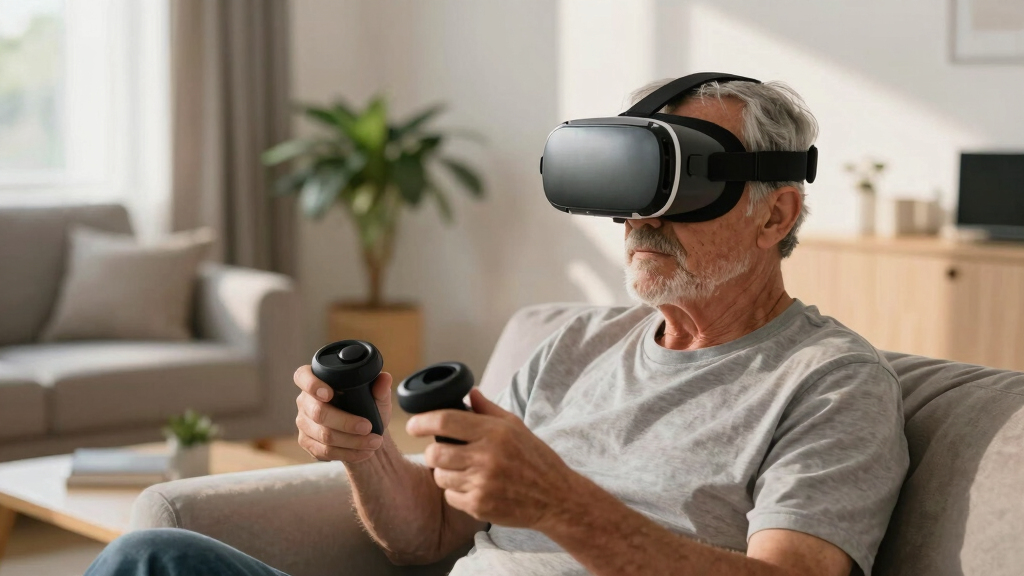
virtual reality headset for mental health
As an affiliate, we earn on qualifying purchases.
As an affiliate, we earn on qualifying purchases.
VA’s Digital Innovation in Mental Health Care
The VA has been increasingly integrating digital tools into its healthcare services, including telehealth and mobile apps, to improve access for Veterans. Virtual reality therapy is part of this broader effort to modernize mental health treatment. Previous pilot programs and research have indicated potential benefits, but large-scale implementation remains in early stages. The VA’s adoption of VR follows similar initiatives in civilian healthcare, where immersive tech is gaining traction for mental health support.
“Integrating virtual reality into our mental health toolkit represents a significant step forward in providing innovative, accessible care for Veterans.”
— an anonymous VA official
As an affiliate, we earn on qualifying purchases.
Unconfirmed Data on Effectiveness and Outcomes
It is not yet clear how effective the VR program will be in the long term, as detailed results from the pilot phase have not been publicly released. The impact on Veterans’ mental health outcomes and engagement levels remains to be evaluated through ongoing studies and feedback.
immersive virtual reality therapy devices
As an affiliate, we earn on qualifying purchases.
As an affiliate, we earn on qualifying purchases.
Monitoring and Expanding VR Mental Health Services
The VA plans to continue evaluating the pilot program’s results over the coming months. If outcomes are positive, wider deployment across more clinics and services is expected. Researchers and VA officials will monitor treatment effectiveness, patient satisfaction, and operational logistics before considering broader adoption.
VR relaxation and stress relief tools
As an affiliate, we earn on qualifying purchases.
As an affiliate, we earn on qualifying purchases.
Key Questions
What types of mental health conditions will VR be used to treat?
Primarily, VR is expected to support treatment for PTSD, anxiety, and depression, complementing existing therapies like exposure therapy and relaxation exercises.
Are there any risks associated with using virtual reality for mental health treatment?
As with any new therapy, potential risks include motion sickness, disorientation, or emotional distress. The VA will likely implement safeguards and monitor patient responses during pilot phases.
When will VR be available to all Veterans through VA clinics?
The program is currently in the pilot stage; a timeline for nationwide rollout has not been announced. Success in initial clinics will influence future expansion plans.
How does VR therapy compare to traditional mental health treatments?
VR therapy offers immersive, engaging environments that can enhance exposure-based treatments. Its effectiveness relative to traditional methods is still being studied, but early evidence suggests it could be a valuable supplement.
Will Veterans need special training to use VR tools?
Veterans will receive guidance from healthcare providers on how to use VR devices safely and effectively during their treatment sessions.
Source: rss
Halloween Picks
halloween
As an affiliate, we earn on qualifying purchases.