
To prevent your headset from sliding when you sweat, try using a sweat-wicking headband to absorb moisture and improve grip. Guarantee your headset fits snugly but comfortably, adjusting straps as needed, since a loose fit can cause slippage. Adding silicone pads or grip accessories can also boost friction. Combining these solutions helps keep your headset secure even during intense activities. Keep going to discover more effective tips to stay comfortable and steady.
Key Takeaways
- Use sweat-wicking headbands to absorb moisture and prevent sweat from reaching the headset.
- Adjust the headset for a snug, comfortable fit to minimize slipping caused by looseness.
- Apply anti-slip accessories like silicone pads or grips at contact points for better traction.
- Regularly wipe your scalp and forehead to reduce sweat buildup during activity.
- Incorporate natural or synthetic grip-enhancing materials to improve overall headset stability.
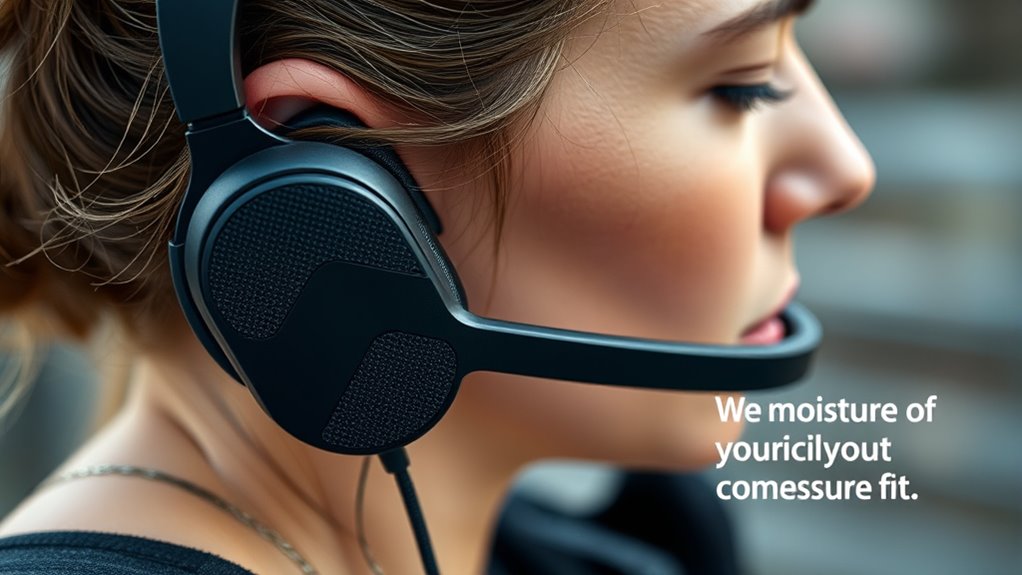
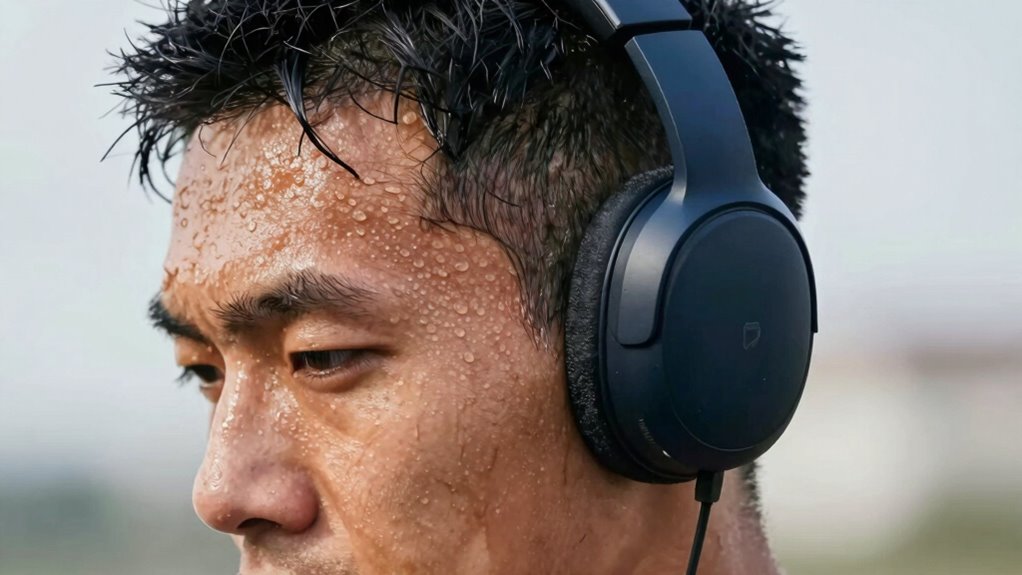
Sweating during intense workouts or gaming sessions can cause your headset to slip and become uncomfortable. When your scalp gets damp, the friction that keeps your headset in place diminishes, making it slide around or even fall off. To combat this, focus on sweat management strategies that keep your scalp dry and reduce slippage. One effective approach is to incorporate headband solutions designed specifically for this purpose. These headbands act as a barrier between your skin and the headset, absorbing sweat before it reaches the device’s contact points.
Using sweat-wicking headbands helps keep your scalp dry and prevents headset slippage during intense activities.
Using a sweat-wicking headband can considerably improve your experience. Look for options made from moisture-absorbing materials like polyester or nylon blends that draw sweat away from your skin. Not only do these headbands help keep your forehead dry, but they also prevent sweat from dripping onto your headset’s ear cups or headband, reducing the chances of slipping. When choosing a headband solution, consider how snug it fits without being too tight. You want it to stay securely in place without causing discomfort or headaches.
In addition to wearing a sweat-wicking headband, you can adopt other sweat management techniques to keep your headset stable. Regularly wiping your forehead and scalp with a towel during breaks helps control moisture buildup. You could also try applying a light dusting of anti-sweat powder or talcum on your scalp before starting your session, which can absorb excess moisture and improve grip. For longer gaming or workout sessions, these small steps can make a noticeable difference in maintaining headset stability.
Another tip is to adjust your headset properly so it fits snugly but comfortably. Overly loose headsets tend to slide more when sweat accumulates. Tighten the straps just enough so the headset stays in place without causing pressure points. If your headset has adjustable ear cups or headbands, experiment with different settings to find the ideal fit. Combining this with sweat management strategies, like headband solutions, gives you a double layer of security against slipping.
Finally, consider using anti-slip accessories, such as silicone pads or grips, on the contact points of your headset. These can help increase friction and hold your device in place even when you’re sweating. Additionally, choosing natural materials for your headgear can further enhance grip and comfort. By managing sweat effectively and choosing the right headband solutions, you’ll keep your headset secure during even the most intense gaming or workout sessions. This way, you can focus on your activity without constantly readjusting or worrying about your gear slipping off.
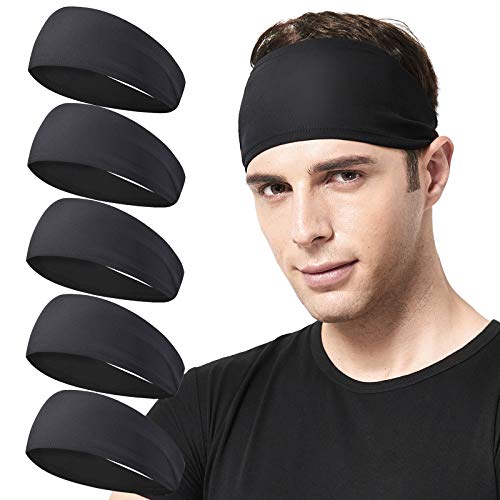
Acozycoo Mens Running Headband,5Pack,Mens Sweatband Sports Headband for Running,Cycling,Basketball,Yoga,Fitness Workout Stretchy Unisex Hairband (5 Black)
【Sports Headband,5PACK】Acozycoo Headband for men is lightweight,breathable,soft and sweat wicking; Keep your eyes away from sweat,wick away moisture…
As an affiliate, we earn on qualifying purchases.
As an affiliate, we earn on qualifying purchases.
Frequently Asked Questions
Can Special Headbands Prevent Headset Slipping During Workouts?
Yes, special headbands can prevent your headset from slipping during workouts. They improve headband effectiveness by providing extra grip and absorbing sweat, which reduces slippage. As a key workout accessory, a good headband keeps your headset secure and comfortable, even when you’re sweating heavily. Opt for moisture-wicking, non-slip headbands designed for exercise to make certain they stay in place, helping you focus on your workout without worrying about your headset slipping.
Are There Headset Models Designed for Sweaty Conditions?
Are there headset models designed for sweaty conditions? Absolutely. You should look for headsets with enhanced durability, moisture-resistant materials, and secure fits. Brands like JBL, Bose, and Sony offer models built to withstand sweat and intense workouts. Have you compared their durability features? Choosing a headset with sweat-resistant coatings and secure ear hooks can keep it in place, ensuring comfort and longevity even during the most vigorous activities.
How Often Should I Clean My Headset to Maintain Grip?
You should clean your headset weekly to maintain grip and guarantee headset hygiene. Use a damp cloth with gentle soap, paying special attention to ear pads and headbands. Sweat resistant coatings help protect the material, but regular cleaning prevents buildup and slipping. If you sweat heavily, clean more often. Proper maintenance keeps your headset secure and extends its lifespan, so stay consistent with your cleaning routine.
Do Different Materials Affect Headset Stability When Sweating?
Material matters most when it comes to headset stability during sweat sessions. Smooth, slippery surfaces like plastic can cause your headset to slide, while textured, tacky materials like silicone or rubber provide better grip. The headset’s texture directly influences its grip, making it stick securely even when you sweat. Choosing the right material improves stability, ensuring your headset stays in place, so you can focus on crushing your workout without constant readjustments.
Can Adjusting Headset Tightness Cause Discomfort or Damage?
Yes, adjusting headset tightness can cause discomfort or damage. If you tighten it too much, you increase pressure on your head, leading to discomfort or even headaches. Over-tightening can also stress the headset’s components, risking damage over time. To avoid comfort issues, find a balance where the headset feels secure but not painfully tight. Regularly check and modify the pressure to ensure comfort without compromising the device’s integrity.

Lunies Earpods Covers Anti-Slip Silicone Soft Sport Earbud Tips for iPhone 6S/6 Plus/5S/5C/5 Earbuds Comfortable 4 Pairs Clear
PREVENT EARBUDS FALLING OUT:This earbud cover is designed to keep your headphone stay in your ears,especially when in…
As an affiliate, we earn on qualifying purchases.
As an affiliate, we earn on qualifying purchases.
Conclusion
So there you have it—your secret weapon against sweaty headset slide chaos. No more awkward adjustments or embarrassing slips during your intense workout or winter jog. Just a few simple tricks, and you’ll stay glued to your headphones like a true pro. Now go ahead, sweat it out, and let your headset stay put—because who needs stability when you’ve got style? Stay snug, stay cool, and keep those headphones in place, no matter how much you sweat.

SIGONNA Glasses Strap Holder – No-Tail Eyeglass Strap Cord String – Adjustable Eye Glasses Holders Around Neck Head – Eyeglasses Strap Lanyard – Sunglasses Glasses Strap for Men Women – 2 Pcs
For Wide and Narrow Temples – the eyeglass strap is a perfect fit for both wide and narrow…
As an affiliate, we earn on qualifying purchases.
As an affiliate, we earn on qualifying purchases.
Acozycoo Mens Running Headband,5Pack,Mens Sweatband Sports Headband for Running,Cycling,Basketball,Yoga,Fitness Workout Stretchy Unisex Hairband (5 Black)
【Sports Headband,5PACK】Acozycoo Headband for men is lightweight,breathable,soft and sweat wicking; Keep your eyes away from sweat,wick away moisture…
As an affiliate, we earn on qualifying purchases.
As an affiliate, we earn on qualifying purchases.