
TL;DR

Play games on Amazon Luna for your next adventure, included with Prime
- A rotating selection of games, no download needed
- Play on TV, laptop or phone
- Fast, free delivery for your gear, too
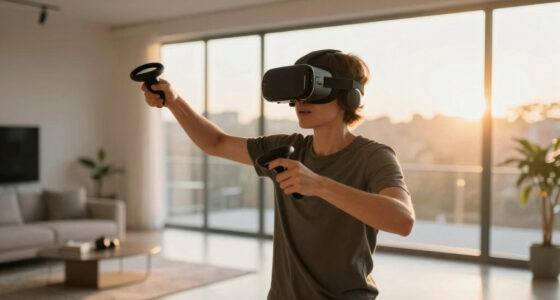
FunFitLand has launched a mobile app enabling live heart rate data from wearables to appear during VR workouts on Meta Quest and Apple Vision Pro. This integration aims to improve workout feedback and tracking, marking a new step in VR fitness experiences.
FunFitLand has announced the release of a new smartphone companion app for iOS and Android that streams live heart rate data from compatible wearables directly into its VR workouts on Meta Quest and Apple Vision Pro. This development marks a significant expansion of the company’s platform, integrating real-time physiological feedback into immersive fitness experiences. The feature aims to enhance user engagement and workout effectiveness by providing immediate insight into effort levels without interrupting the session.
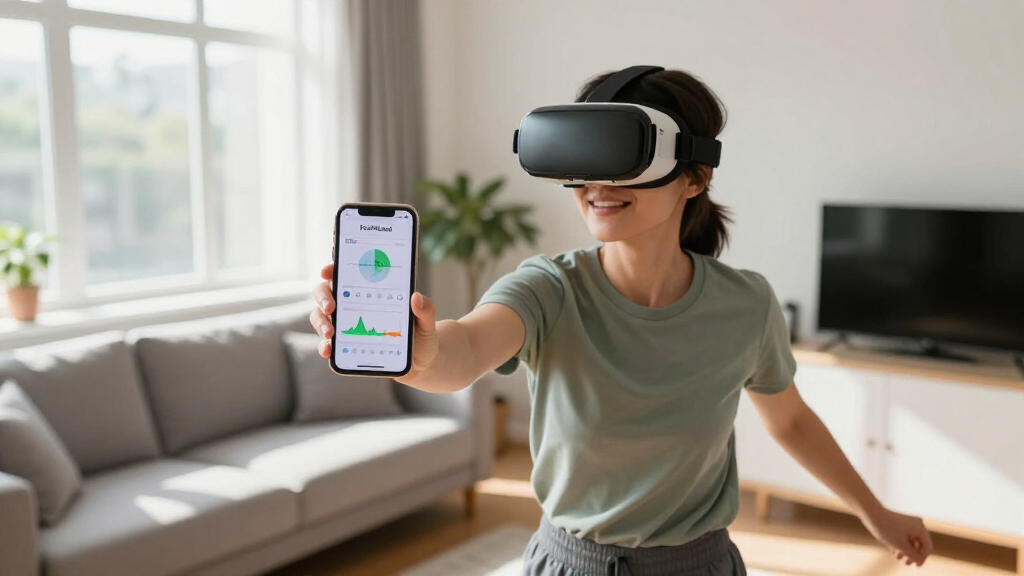
The new app supports standard Bluetooth Low Energy heart rate straps, Apple Watch, and supported Samsung watches, with compatibility testing available for other devices. During a workout, users can see their live heart rate displayed inside the VR headset alongside progress indicators for the current song and workout stage. After sessions, the app offers detailed analytics, including average and maximum heart rate, session graphs, and time spent across five heart rate zones.
To transmit heart rate data, the wearable sends its reading to the mobile app, which then forwards the data to FunFitLand’s servers, and subsequently to the headset. According to FunFitLand founder Meng Zhang, this multi-step process involves cooperation among various device manufacturers and operating systems, which can sometimes cause connection issues. During beta testing, users reported occasional false warnings about connection failures, which Zhang said the team is actively addressing. The in-headset display is also being refined to improve readability and user customization, with feedback indicating preferences for stationary versus dynamic data placement.
At launch, the system does not influence workout scoring or calorie estimates but provides real-time feedback to help users monitor their effort. The app also offers social features, such as exchanging kudos with friends on Quest, though these are temporarily absent on Vision Pro. The company emphasizes that the primary goal is to enable users to measure their effort and stay motivated, rather than altering workout metrics based on heart rate.
Impact on VR Fitness and User Engagement
This development represents a meaningful step in integrating physiological data into VR fitness, potentially improving workout motivation and effectiveness. By allowing users to see real-time heart rate information during active sessions, FunFitLand enhances the immersive experience and provides a more comprehensive understanding of effort levels. The cross-platform compatibility and detailed post-workout analytics further support users’ fitness tracking and goal-setting, aligning with broader trends toward health-focused VR applications.
For consumers, this innovation could make VR workouts more personalized and responsive, encouraging consistent exercise habits. For developers and hardware manufacturers, it underscores the importance of seamless wearable integration and real-time data streaming in creating engaging fitness ecosystems. However, the success of this feature will depend on addressing technical challenges like connection reliability and user interface customization.
heart rate monitor for VR workouts
As an affiliate, we earn on qualifying purchases.
As an affiliate, we earn on qualifying purchases.
VR Fitness Industry and Wearable Integration Trends
VR fitness companies are increasingly exploring ways to incorporate health metrics into immersive workouts. While platforms like Supernatural have companion apps for workout discovery and social features, few have integrated live physiological data during active sessions. FitXR recently launched mobile workouts without health monitoring, focusing instead on convenience. FunFitLand’s approach, combining in-headset display with a mobile app that streams real-time data, distinguishes itself by emphasizing continuous feedback during exercise.
Historically, VR fitness has relied on post-session data or basic tracking, with limited real-time physiological feedback. The integration of wearables into VR environments has been technically challenging due to device compatibility, connection stability, and user interface considerations. FunFitLand’s effort reflects a broader industry interest in leveraging wearable tech to improve engagement and outcomes in virtual exercise.
Prior to this, Apple’s ecosystem supported heart rate monitoring within its fitness apps, but displaying live data within VR during workouts is a new frontier. The company claims that their Vision Pro app may be the first native app to show live wearable heart rate data during VR exercise, though this is not independently verified. The move aligns with trends toward more personalized, health-oriented VR experiences.
“Making this feel seamless means getting Meta Quest, Apple, Google, and watch/strap manufacturers to cooperate in a way none of them designed for.”
— Meng Zhang, FunFitLand founder
Bluetooth heart rate strap for fitness
As an affiliate, we earn on qualifying purchases.
As an affiliate, we earn on qualifying purchases.
Technical Challenges and Future Reliability
While the initial release demonstrates promising functionality, several issues remain unconfirmed or unresolved. Connection stability can vary depending on device compatibility and environmental factors, and some users have reported false connection warnings. The exact level of reliability across all supported devices and operating systems is still being evaluated. Additionally, the long-term impact of real-time heart rate display on workout motivation and outcomes has yet to be studied comprehensively.
Furthermore, the social features are currently limited to Quest, with Vision Pro users awaiting future updates. It is also unclear how the system will scale with additional wearables or integrate with other health platforms beyond Apple and Samsung devices. The company has indicated plans to gather user feedback to refine the interface and connection stability, but the full scope of future improvements remains uncertain.
As an affiliate, we earn on qualifying purchases.
Next Steps for Enhancing Wearable VR Fitness
FunFitLand plans to continue refining the heart rate integration, focusing on connection stability, user interface customization, and expanding device compatibility. The company will gather user feedback during the ongoing beta period to determine preferred display options and improve reliability. Future updates may include integration with additional health platforms and expanded social features, especially on Vision Pro.
In addition, FunFitLand aims to explore how real-time heart rate data can influence workout scoring, pacing, or adaptive difficulty in future iterations. The company also intends to monitor user engagement and fitness outcomes to evaluate the effectiveness of live physiological feedback in motivating sustained exercise habits. As VR fitness evolves, further innovations in wearable integration are expected to shape the next generation of immersive health experiences.
As an affiliate, we earn on qualifying purchases.
Key Questions
Can I use any wearable with FunFitLand’s new app?
The app supports standard Bluetooth Low Energy heart rate straps, Apple Watch, and supported Samsung watches. Compatibility testing is available for other devices, but not all may work seamlessly.
Will the heart rate data influence my workout score or calorie count?
At launch, the heart rate data is purely for monitoring and motivation; it does not affect workout scoring or calorie estimates.
Is the live heart rate display available on all VR headsets?
The feature is supported on Meta Quest and Apple Vision Pro. The company claims it may be the first native app on Vision Pro to show live wearable heart rate data during VR workouts.
Will social features be added to Vision Pro?
Yes, FunFitLand has indicated that social features like exchanging kudos will be extended to Vision Pro in future updates, but they are not available at launch.
How reliable is the connection between wearable and VR during workouts?
Connection stability can vary, with some beta testers experiencing false warnings or interruptions. The company is actively working to improve reliability based on user feedback.
Source: UploadVR
Halloween Picks
halloween
As an affiliate, we earn on qualifying purchases.