
TL;DR

Play games on Amazon Luna for your next adventure, included with Prime
- A rotating selection of games, no download needed
- Play on TV, laptop or phone
- Fast, free delivery for your gear, too
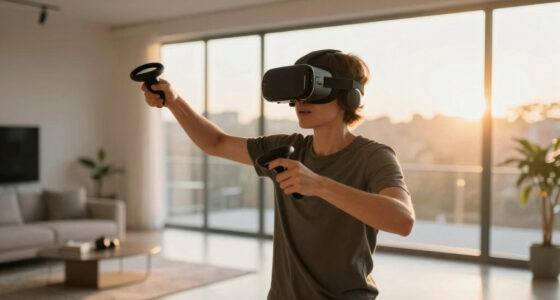
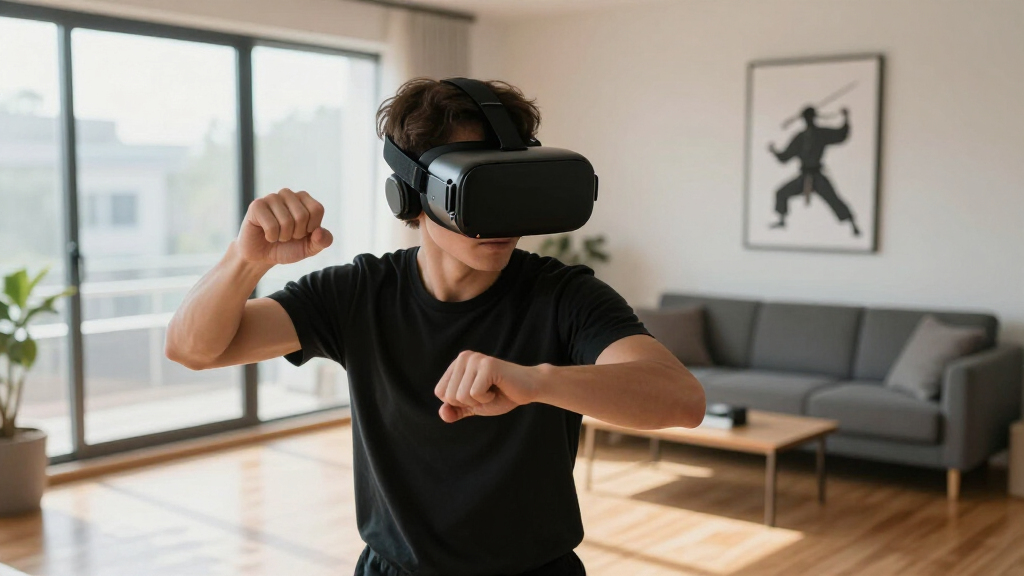
TaoLu, a VR martial arts simulator, has been released for Meta Quest and Steam, turning headsets into virtual dojos. The game allows players to practice fighting styles like Wing Chun with interactive prompts. This innovation offers a new way for martial arts fans to train and enjoy VR fitness.
TaoLu, a new VR martial arts simulator, has been launched for Meta Quest and Steam, enabling players to practice combat moves on a virtual dummy. The game’s innovative use of motion controls effectively transforms the VR headset into a martial arts training device, offering an interactive experience inspired by real-life fighting styles like Wing Chun. This development matters because it introduces a new form of immersive fitness and martial arts practice accessible at home.
TaoLu is developed by The Game Forger, known for titles like Aliens Attack VR and Danger Room VR. It was released on July 23, 2026, for Meta Quest and on July 24, 2026, for Steam, priced at $6.99 and $5.99 respectively. The game features various modes, including Wing Chun Practice, Accuracy, Time, Survival, and Free Play, each designed to test different aspects of martial arts skills. Players interact with onscreen prompts and glowing targets, mimicking real martial arts sequences, with the game scoring performance and ranking players via online leaderboards.
Visuals are themed around traditional Asian environments, such as temples and cherry blossom walkways, with an optional mixed reality mode that overlays virtual environments onto the player’s actual space. The sound design includes subtle drum beats and guitar chords, creating a Zen-like atmosphere. However, players have reported occasional technical issues, such as spawning outside the play area and menu clipping through the environment, which developers may address in future updates.
Implications for VR Fitness and Martial Arts Training
This development signifies a step forward in immersive fitness technology, allowing users to engage in martial arts practice without physical equipment or a traditional dojo. It could expand the appeal of VR fitness games, especially among martial arts enthusiasts, by providing an accessible, engaging training tool. Additionally, it demonstrates how motion-controlled VR can simulate complex physical activities, potentially influencing future sports training and rehabilitation applications. While TaoLu won’t replace real martial arts training, it offers a fun, affordable supplement for fans and casual practitioners alike.
As an affiliate, we earn on qualifying purchases.
Background of VR Martial Arts Applications
VR fitness and combat sports games have grown in popularity over the past few years, with titles like Beat Saber and BoxVR leading the way. Prior to TaoLu, some VR applications used virtual dummies or boxing trainers, but few offered a dedicated martial arts simulation with real-style moves and interactive prompts. The concept of turning VR headsets into training tools aligns with broader trends in digital fitness, which aim to make workouts more engaging and accessible. The release of TaoLu builds on this momentum, emphasizing martial arts as a core theme for immersive exercise.
Developers have previously experimented with virtual combat training, but TaoLu’s focus on authentic styles like Wing Chun and its multiple gameplay modes represent a notable advancement. The game’s release coincides with increasing interest in VR as a serious fitness platform, especially as hardware like Quest 3 becomes more powerful and affordable.
“TaoLu is about making martial arts accessible and fun through VR. We wanted to create an experience that feels authentic but also engaging for all skill levels.”
— an anonymous developer from The Game Forger
As an affiliate, we earn on qualifying purchases.
Unconfirmed Technical Challenges and Future Updates
While TaoLu has been well-received, players have reported occasional technical issues, such as spawning outside the designated play area and menu clipping through environments. It is not yet clear how widespread these problems are or whether the developers plan significant updates to address them. Additionally, the long-term effectiveness of TaoLu as a martial arts training tool remains unverified, as it is primarily designed for entertainment and light exercise rather than professional training.
VR combat sports game for Meta Quest
As an affiliate, we earn on qualifying purchases.
As an affiliate, we earn on qualifying purchases.
Upcoming Patches and Expanding Content for TaoLu
Developers have indicated they will release updates to improve stability and fix reported bugs. Future content may include additional martial arts styles, more immersive environments, and enhanced multiplayer or social features. As the game gains popularity, it could also inspire more VR fitness titles with similar interactive training concepts. Monitoring user feedback and developer announcements will clarify how TaoLu evolves and its potential role in at-home martial arts practice.
VR motion controller for martial arts
As an affiliate, we earn on qualifying purchases.
As an affiliate, we earn on qualifying purchases.
Key Questions
Can TaoLu replace real martial arts training?
While TaoLu offers an engaging way to practice basic moves and sequences, it is not designed to replace professional martial arts instruction. It serves as a supplementary tool for fun and light training.
What platforms is TaoLu available on?
The game is available on Meta Quest and Steam, with the Quest version released on July 23, 2026, and the Steam version on July 24, 2026.
What are the main gameplay modes in TaoLu?
Key modes include Wing Chun Practice, Accuracy, Time, Survival, and Free Play, each offering different challenges and training experiences.
Are there plans for future updates?
Developers have announced intentions to release updates that improve stability and expand content, but specific features and timelines are not yet confirmed.
Does TaoLu require any special equipment?
No, it uses standard VR motion controllers compatible with Meta Quest and SteamVR systems, relying on natural hand gestures for interaction.
Source: UploadVR
Fall Picks
fall essentials
As an affiliate, we earn on qualifying purchases.