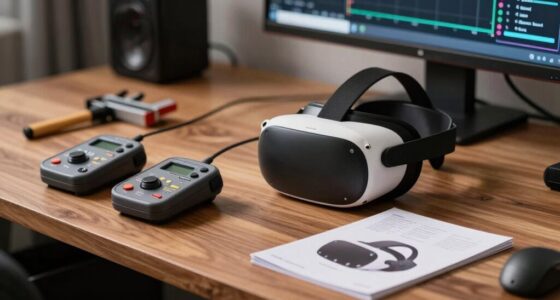
When evaluating VR tech announcements, focus on verified specifications, user reviews, and real-world performance rather than hype. Look for clear details about hardware compatibility, visual quality, and core features like tracking and responsiveness. Be cautious of exaggerated promises and flashy features that lack substance. Comparing official specs with user feedback helps reveal what truly benefits your experience. Keep an eye on what’s practical—if you stay attentive, you’ll uncover ways to separate hype from helpful insights.
Key Takeaways
- Compare announced features with verified user reviews and real-world tests.
- Focus on core specs like controller accuracy, resolution, and tracking rather than flashy promises.
- Check hardware compatibility to ensure the device supports your existing setup.
- Evaluate whether the visual quality improvements, such as contrast ratio, translate into noticeable benefits.
- Be skeptical of hype around new features that lack practical demonstration or proven performance.

Have you kept up with the latest in virtual reality technology? With new announcements pouring in regularly, it can be overwhelming to distinguish between hype and genuine advancements. When you hear about a new VR headset or feature, one of the first things to consider is the user interface. Is it intuitive, easy to navigate, and designed with user experience in mind? A well-designed UI can make or break your VR experience, so pay close attention to how accessible menus, controls, and settings are. If the interface looks cluttered or overly complicated, it might hinder your immersion rather than enhance it. Conversely, a sleek, user-friendly interface suggests that developers prioritize usability, making it easier for you to jump into virtual worlds without frustration.
Another critical factor is hardware compatibility. When a new VR device is announced, check whether it works seamlessly with your existing equipment. Does it support your current PC, console, or standalone setup? Are there specific hardware requirements or limitations? This is where many announcements can become misleading hype: some products boast compatibility but only with certain platforms or require expensive upgrades. By researching the hardware compatibility details early on, you can avoid investing in a system that won’t work with what you already own or that demands costly additional gear. This ensures that your VR investments are practical and provide value over the long term.
Check hardware compatibility early to avoid costly upgrades and ensure your VR setup works seamlessly.
Beyond UI and hardware compatibility, pay attention to the core specifications. Are the controllers accurate and responsive? Does the headset deliver high-resolution visuals and a wide field of view? These elements markedly impact the quality of your experience. Keep an eye out for updates on tracking technology, refresh rates, and ergonomic design, as these factors contribute to comfort and immersion. Sometimes, a company’s hype centers around flashy features that sound impressive but don’t translate into real-world benefits. So, compare the promises made during announcements with actual specifications and user reviews once available.
Additionally, considering the contrast ratio of VR headsets can provide insight into their ability to render realistic images, especially in scenes with varying light levels. A higher contrast ratio can significantly improve visual depth and immersion. Finally, don’t forget to consider the software ecosystem. A device with a robust library of games and applications can greatly enhance its value. Check if the new tech integrates well with popular platforms or if it’s locked into a closed system. This integration can influence your decision, especially if you already have favorite titles or VR experiences. By focusing on user interface clarity, hardware compatibility, core specs, and ecosystem support, you’ll be better equipped to sift through the hype and identify the VR innovations that genuinely improve your virtual adventures.

Meta Quest 3S 256GB | VR Headset — Thirty-Three Percent More Memory — 2X Graphical Processing Power — Virtual Reality Without Wires — Get Batman: Arkham Shadow Included Plus Access to 40+ Games
- Wireless Freedom: Untethered gaming and exploration
- Enhanced Graphics Power: Twice the processing for smooth visuals
- Immersive VR Experience: Blend virtual objects with real space
As an affiliate, we earn on qualifying purchases.
As an affiliate, we earn on qualifying purchases.
Frequently Asked Questions
How Can I Verify the Credibility of VR Tech Sources?
You can verify the credibility of VR tech sources by checking if industry experts back their claims and whether the information has undergone peer review. Look for reputable publications and established tech analysts’ opinions. Cross-reference multiple sources to spot consistency. Avoid hype-heavy articles and focus on those providing detailed, technical insights. This way, you guarantee you’re getting reliable, well-vetted information to make informed decisions about VR technology.
What Are Common Signs of Overhyped VR Product Claims?
Like a siren’s song, overhyped VR claims lure you with marketing exaggerations and false promises. You’ll notice buzzwords that promise impossible features or ultra-low prices without details. If a product claims to revolutionize VR overnight or guarantees perfect immersion with minimal hardware, be cautious. These signs hint at exaggerations designed to sway you, so always ask for concrete evidence and stay skeptical of claims that seem too good to be true.
How Do I Distinguish Between Genuine Updates and Marketing Tricks?
To distinguish between genuine updates and marketing tricks, watch for concrete details like specs, release dates, and real-world benefits instead of vague promises. Be cautious of product hype that relies heavily on buzzwords and flashy visuals. Consider the source’s credibility and look for independent reviews. If a claim seems too good to be true or overly sensational, it’s likely a marketing tactic rather than a genuine update.
Are There Specific Indicators of Innovative VR Technology?
Well, if augmented reality suddenly makes your coffee or hardware specs include eye-popping resolutions, you’re onto something innovative. Look for features like seamless integration of AR, lightweight hardware, and impressive refresh rates. Genuine innovation often challenges the norm, rather than just adding more pixels or hype phrases. So, when a VR headset promises to “revolutionize gaming” with specs that sound like a sci-fi novel, take a step back—sometimes, it’s just smoke and mirrors.
What Should I Consider Before Investing in New VR Hardware?
Before investing in new VR hardware, consider product compatibility with your existing setup and the quality of user experience it offers. You want hardware that seamlessly integrates and provides immersive, comfortable gameplay. Research reviews and user feedback to gauge real-world performance. Also, check for future updates and support, ensuring your investment remains relevant and functional long-term. Doing this helps you avoid hype and choose hardware that truly meets your needs.
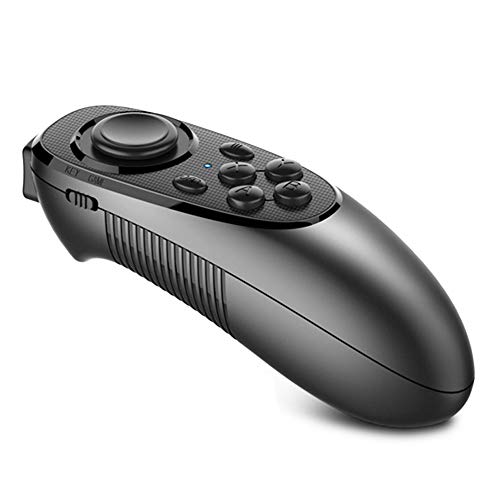
VR Remote Controller Gamepad Bluetooth Control VR Video, Game, Selfie, Flip E-Book/PPT/Nook Page, Mouse, in Virtual Reality Headset PC Tablet Laptop iPhone Smart Phone
- Universal Compatibility: Works with mobiles, PC, tablets, and more
- Multiple Functions: Gamepad, VR remote, mouse, media control
- iOS Features: Play games, control videos, take photos, flip pages, adjust volume
As an affiliate, we earn on qualifying purchases.
As an affiliate, we earn on qualifying purchases.
Conclusion
So, next time you’re dazzled by flashy VR announcements, remember: not every “groundbreaking” feature is worth your hard-earned cash. Don’t fall for the hype trap that promises the universe in your headset—sometimes it’s just a fancy screen and a hefty price tag. Stay skeptical, stay savvy, and don’t let slick marketing turn your reality into a virtual nightmare. After all, who needs more pixels when you can have peace of mind?

DPVR E4 VR Headset – PCVR Virtual Reality Headset for PC Games with Controller, Compatible with SteamVR
- Immersive Gaming Experience: Compatible with 7,000+ SteamVR titles
- High-Resolution Display: 3664×1920 pixels with adjustable refresh rates
- Wide Field of View: 116° FOV for immersive environments
As an affiliate, we earn on qualifying purchases.
As an affiliate, we earn on qualifying purchases.
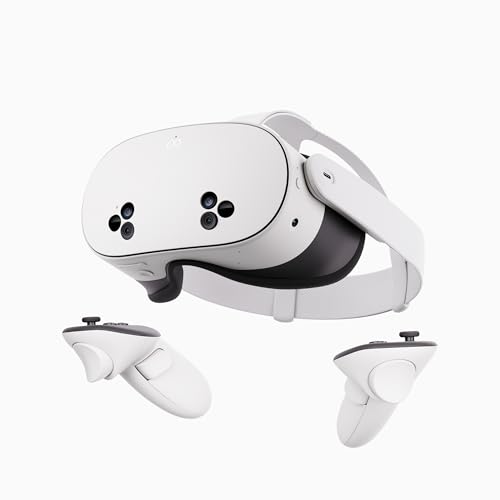
Meta Quest 3S 128GB | VR Headset — Thirty-Three Percent More Memory — Virtual Reality Without Wires — Access to 40+ Games with a 3-Month Trial of Meta Horizon+ Included (Renewed Premium)
- Wireless Freedom: Untethered VR experience
- Enhanced Graphics Power: Twice the processing speed
- Immersive Virtual Reality: Blend virtual and physical worlds
As an affiliate, we earn on qualifying purchases.
As an affiliate, we earn on qualifying purchases.