To handle excessive cables during events, start by mapping out your setup and securing cables along walls or through cable covers to prevent tripping hazards. Use cable ties or Velcro straps to bundle excess lengths and employ cable sleeves or conduits for multiple cords. Keep cables away from high-traffic areas and label them for easy troubleshooting. Combining these quick fixes with wireless options can greatly reduce clutter and boost safety—stay tuned for more effective tips.
Key Takeaways
- Use cable covers and ramps to safely route multiple cables across walkways and prevent trip hazards.
- Bundle excess cable lengths with Velcro straps or cable ties to reduce clutter and facilitate quick setup.
- Map device placement beforehand to determine optimal cable routes, minimizing crossing and tangling.
- Secure cables along walls or under carpets with tape or clips to keep them organized and out of foot traffic.
- Incorporate wireless solutions where possible to decrease the number of cables and enhance safety.
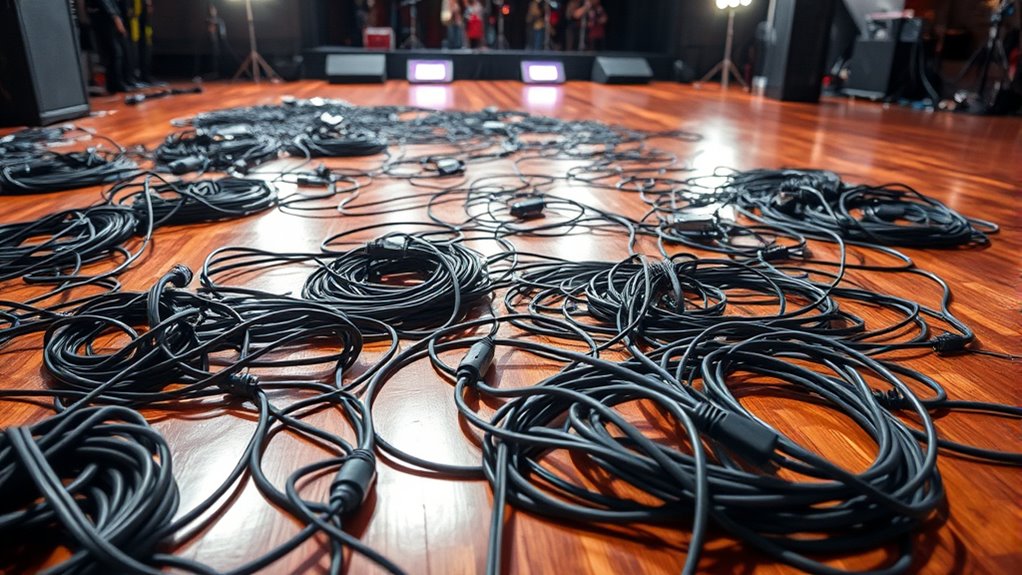
Ever wondered how to keep event spaces safe and organized when setting up numerous electronic devices? Managing a tangle of cables can quickly turn into a safety hazard and a logistical nightmare. Luckily, exploring wireless alternatives can substantially reduce clutter and streamline your setup. Instead of running multiple power cords and data cables across the floor, consider wireless microphones, Bluetooth speakers, and Wi-Fi-enabled presentation tools. These options not only free up space but also minimize tripping hazards, making the environment safer for attendees and staff alike. When opting for wireless solutions, ensure compatibility with your existing equipment and test them beforehand to avoid technical glitches during the event. Additionally, understanding cable safety protocols is essential to prevent accidents and ensure a smooth event operation.
Wireless solutions reduce clutter and trip hazards, ensuring safer, more organized event spaces.
Even with wireless options, some cables will inevitably be necessary. That’s where effective cable safety tips come into play. First, always secure cables along walls, under carpets, or through cable covers to prevent tripping. Use tape or cable clips to hold cords in place, and avoid running them across walkways or high-traffic areas. When cables must cross paths, use cable protectors or ramps to prevent damage and reduce the risk of tripping. Labeling your cables can also help you quickly identify and troubleshoot issues without unnecessary disturbance. Keep cables off the ground whenever possible, and avoid overloading power strips, which can cause overheating or electrical hazards.
Proper cable management also involves planning your setup in advance. Map out where each device will go and identify the shortest, safest routes for cables. Use cable ties or Velcro straps to bundle excess length and prevent loose strands from creating hazards. Additionally, consider using cable sleeves or conduits to contain multiple cords, giving your setup a tidy appearance and further reducing accident risks. Always inspect your cables for wear and damage before the event, replacing any frayed or brittle wires to prevent electrical issues.
Finally, communicate your cable safety plan with your team. Make sure everyone understands the importance of keeping cables organized and secure. This collaborative approach ensures that your event space remains safe throughout the setup, operation, and teardown phases. Remember, a well-managed cable setup not only enhances safety but also improves the overall professionalism and efficiency of your event. By combining wireless alternatives with diligent cable safety tips, you can create a smooth, hazard-free environment that impresses attendees and minimizes last-minute issues.

Phenyx Pro Dual UHF Auto Scan Handheld Wireless Microphone System PTU-71-2H
- Auto Scan for Interference-Free Signal: Rapidly finds best frequency with lock function
- Dual UHF Frequency Channels: 100 selectable frequencies per channel
- Long Range Wireless Operation: Up to 328 feet line of sight
As an affiliate, we earn on qualifying purchases.
As an affiliate, we earn on qualifying purchases.
Frequently Asked Questions
How Long Does Temporary Cable Management Typically Last During Events?
Temporary cable management usually lasts throughout the event, depending on cable durability and organizer versatility. If you use high-quality, durable cables and versatile organizers, your setup can hold securely for several hours or even days, depending on the event’s length. To guarantee reliability, choose organizer solutions that adapt to your specific needs and withstand movement and handling, keeping cables safely managed from start to finish.
What Are the Best Materials for Temporary Cable Organization?
You might think cable ties are enough, but cable sleeves actually offer better organization and protection. Wire ties are quick and easy for bundling, yet cable sleeves provide a flexible, durable solution that keeps cables tidy and prevents damage. Combining these materials ensures a neat setup that’s easy to manage, reduces tripping hazards, and makes teardown faster. Trust the versatility of cable sleeves paired with wire ties for ideal temporary cable organization.
Can Temporary Cable Solutions Handle Outdoor Weather Conditions?
Temporary cable solutions can handle outdoor weather conditions if you choose options with weather resistance and waterproofing solutions. Look for cables and organizers specifically designed for outdoor use, featuring rugged, sealed interfaces that prevent water and dirt ingress. These products ensure safety and durability during rain or humidity. Always verify the manufacturer’s specifications to confirm they meet outdoor environmental standards, so your cables stay protected and functional throughout your event.
How Do You Prevent Tripping Hazards With Temporary Cables?
You prevent tripping hazards by cable labeling and strategic power strip placement. Label cables clearly so attendees can see and avoid them, reducing accidental trips. Position power strips off walkways, ideally on raised surfaces or secured mats, to keep cords out of foot traffic. Use cable covers or tapes over exposed cables, and anchor loose cords firmly. These steps guarantee safety while maintaining easy access for setup and troubleshooting.
What Are Cost-Effective Options for Large-Scale Event Cable Management?
They say “a penny saved is a penny earned,” so consider budget-friendly options like cable concealment using floor covers or draping. Wireless alternatives can cut costs and reduce clutter, making setup faster. You can also rent or reuse cable management tools from previous events. These strategies keep your event safe and organized without breaking the bank, ensuring a smooth experience for everyone involved.

Nettbe 60 PCS 6 Inches Reusable Cable Ties, Adjustable Cord Straps Wire Organizer Cord Wrap and Hook Loop Cable Management
- Reusable nylon cable ties: Made from durable, eco-friendly nylon
- Versatile cable organizer: Wraps all loose cords effectively
- Multi-purpose use: Suitable for home, office, garage, outdoors
As an affiliate, we earn on qualifying purchases.
As an affiliate, we earn on qualifying purchases.
Conclusion
In the chaos of an event, good cable management keeps things running smoothly—think of it like a well-organized library in a world of chaos. Remember, a little planning saves you from a “Jurassic Park” style tangle. With quick fixes like cable ties and strategic placement, you’ll avoid trip hazards and keep your event looking professional. So, channel your inner MacGyver, tame that “too much cable” problem, and make your event a seamless success.

10Ft Cord Covers for Wires on Floor, 3-Channel PVC Floor Cable Cover for Small to Medium Wires, Anti-Slip Base with Yellow Warning Stripes, Indoor Floor Cord Cover for Home Office Events
- Cable Protection and Organization: Hides and protects small to medium wires
- Channel Size Specifications: Center channel 0.93" W x 0.42" H
- Multiple Cable Compatibility: Organizes ethernet, speaker, USB, and power cords
As an affiliate, we earn on qualifying purchases.
As an affiliate, we earn on qualifying purchases.
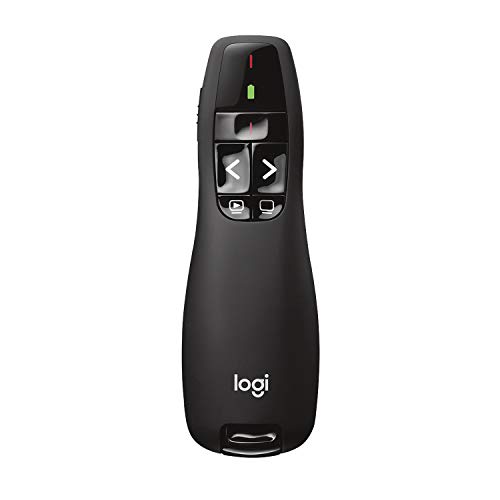
Logitech Wireless Presenter R400 USB A PowerPoint Clicker with Laser
- Presenter Mode with Laser Pointer: Built-in Class 2 red laser and touch keys
- Bright Red Laser Light: Highly visible against most backgrounds
- Long Wireless Range: Up to 50 feet for freedom of movement
As an affiliate, we earn on qualifying purchases.
As an affiliate, we earn on qualifying purchases.