TL;DR
A new study examines the potential of a virtual reality headset designed to induce defocus, aiming to slow myopia progression in children. While promising, the research is still in early stages, and more data is needed.
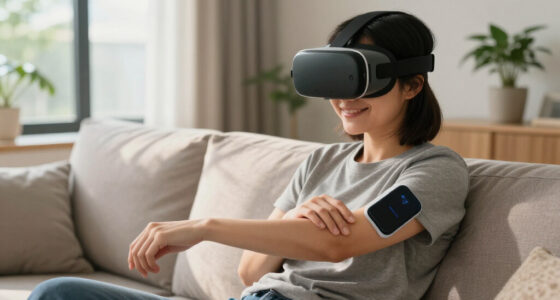
A recent study investigates the use of a defocus-inducing virtual reality headset as a potential method to slow the progression of pediatric myopia. The research aims to address the rising global prevalence of childhood nearsightedness, which can lead to serious eye health issues later in life. You can learn more about potential VR interventions for myopia.
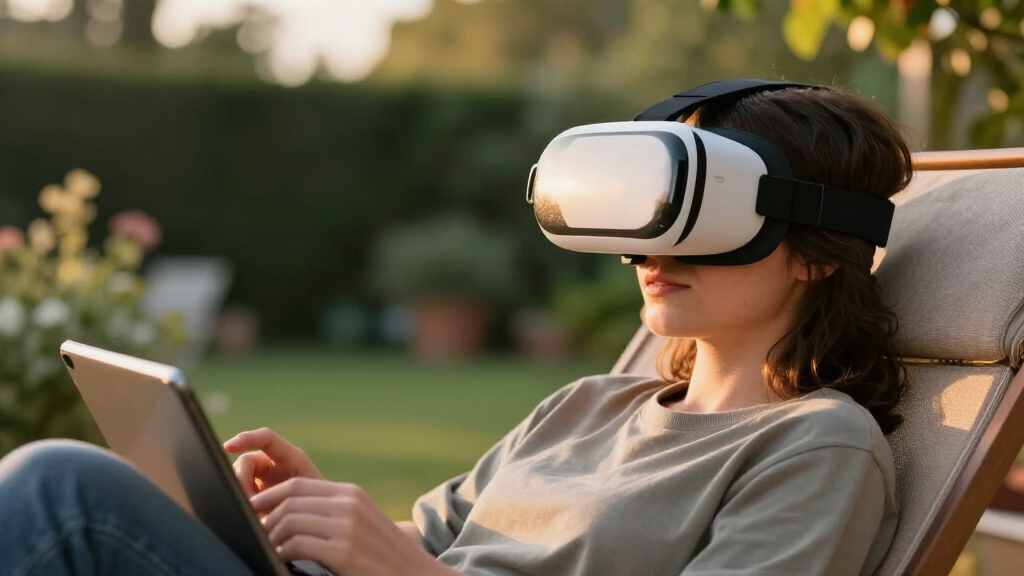
The study, conducted by a team of vision scientists and ophthalmologists, tested a specially designed VR headset that creates controlled defocus in the visual field. The device was tested on a small group of children over several weeks, with preliminary data suggesting a reduction in myopia progression compared to control groups. The research is still in early phases, and results have not yet been peer-reviewed or widely validated.
Experts involved in the study emphasize that the technology aims to mimic natural visual cues that are believed to influence eye growth. The headset uses adjustable lenses and software algorithms to induce a specific type of defocus during use, which may signal the eye to slow its elongation—a key factor in myopia development. For related research, see the study on virtual reality for health assessment. The initial trials involved children aged 8 to 12, a critical period for myopia progression. This aligns with ongoing efforts to explore augmented reality and virtual reality applications in vision health.
While the findings are promising, researchers caution that the study’s sample size is limited, and long-term effects are still unknown. The team is planning larger clinical trials to verify safety and efficacy before considering broader application or commercial development.
Implications for Myopia Prevention Strategies
If validated through further research, this VR-based approach could offer a non-invasive, engaging alternative to current myopia control methods such as eye drops, glasses, or contact lenses. Given the increasing prevalence of pediatric myopia worldwide—especially in East Asia—such innovations could significantly impact public health. However, experts warn that it remains uncertain whether this technology can be effectively scaled and safely used over extended periods.
virtual reality headset for myopia control
As an affiliate, we earn on qualifying purchases.
As an affiliate, we earn on qualifying purchases.
Rising Global Concern Over Pediatric Myopia
Myopia has become a major public health concern, with estimates suggesting that nearly half of the world’s population could be myopic by 2050, according to the World Health Organization. The condition often progresses rapidly in children, leading to higher risks of retinal detachment, glaucoma, and other serious eye diseases later in life. Current interventions include atropine eye drops, specialized contact lenses, and behavioral modifications like increased outdoor activity. However, these measures have limitations in compliance, effectiveness, or accessibility.
The concept of using optical defocus to control eye growth is not new; it has been incorporated into some contact lenses and spectacle designs. The novelty here is leveraging virtual reality technology to deliver controlled defocus dynamically, potentially making the intervention more engaging and adaptable to individual needs.
Interest in this approach has surged recently, driven by advances in VR hardware and a broader push for innovative solutions to combat the myopia epidemic. The recent study’s publication has contributed to this rising attention, although it is still too early to determine its practical viability.
defocus-inducing VR headset for children
As an affiliate, we earn on qualifying purchases.
As an affiliate, we earn on qualifying purchases.
Unconfirmed Long-term Safety and Effectiveness
It is not yet clear whether the defocus-inducing VR headset can produce sustained, long-term effects in slowing myopia progression. The current study’s small sample size and short duration mean that results are preliminary. Researchers have not yet published peer-reviewed data confirming safety, optimal usage protocols, or potential side effects over extended use.
Additionally, questions remain about whether children will tolerate prolonged VR exposure and whether the technology can be effectively integrated into routine eye care. These uncertainties mean that, at this stage, the approach remains experimental and not ready for widespread clinical adoption.
As an affiliate, we earn on qualifying purchases.
Next Steps in Validation and Clinical Trials
The research team plans to conduct larger, longer-term clinical trials involving diverse pediatric populations to assess safety, efficacy, and usability. These studies aim to determine appropriate usage durations, potential adverse effects, and the overall impact on eye growth. If successful, the technology could move toward regulatory approval and commercial development within the next few years.
Meanwhile, ophthalmology researchers and practitioners will continue monitoring developments in optical defocus strategies, including VR-based methods, as part of a broader effort to combat the rising tide of myopia globally.
As an affiliate, we earn on qualifying purchases.
Key Questions
Can VR headsets currently slow myopia in children?
Currently, there is no conclusive evidence that VR headsets can effectively slow myopia. The recent study is preliminary, and more research is needed before it can be recommended for clinical use.
What is defocus in relation to eye health?
Defocus refers to a mismatch between where the eye is focusing and the actual object, which can influence eye growth. Controlled defocus is used in some optical devices to slow myopia progression.
Are there risks associated with using VR for myopia control?
Potential risks include eye strain, discomfort, or adverse effects from prolonged VR exposure. Long-term safety data is not yet available, making it important to proceed cautiously.
How soon could this technology be available for widespread use?
If further trials confirm safety and efficacy, it could take several years for regulatory approval and commercial deployment, depending on the results of ongoing studies.
Will this replace current myopia treatments?
It is too early to say. If proven effective, VR-based defocus could become a complementary option alongside existing treatments, but more evidence is needed before replacing current standards.
Source: rss