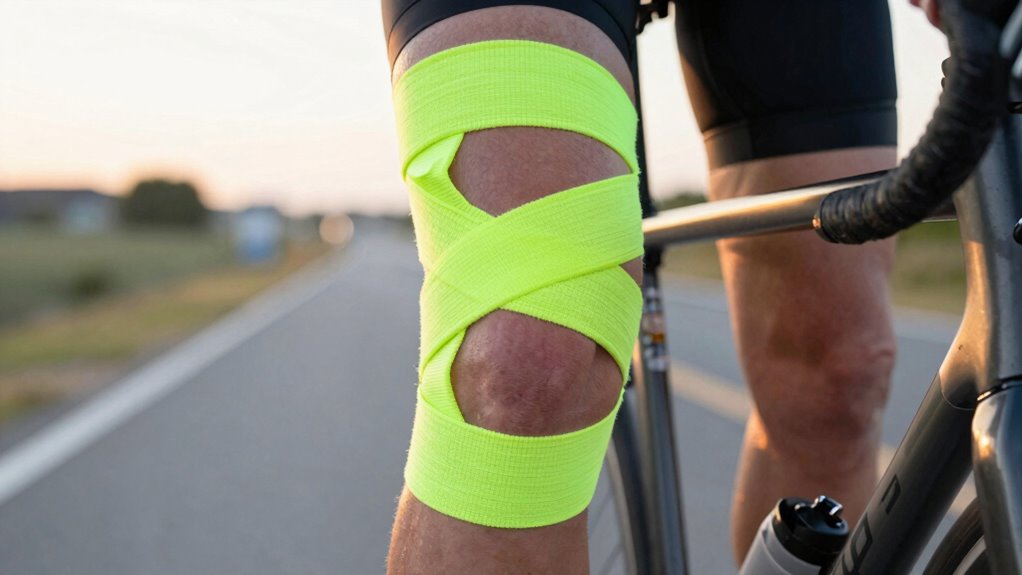

Believing that tightening your straps as much as possible will improve safety or performance is a common myth. Over-tightening can restrict movement, cause discomfort, or even lead to injury. Instead, find a balance where your straps feel snug and secure without being restrictive. Proper tension supports your activity and keeps you comfortable. If you want to know how to adjust your straps for ideal safety and effectiveness, there’s more to discover.
Key Takeaways
- Tightening straps excessively does not improve safety or performance; proper fit is about balance, not maximum tension.
- Over-tightening can restrict movement, cause discomfort, and lead to injury, reducing workout effectiveness.
- Straps should be snug enough to support activity without impeding natural motion or circulation.
- Focus on adjusting straps to feel secure and comfortable rather than aiming for maximum tightness.
- Proper strap tension enhances safety, comfort, and workout results, disproving the myth that “tighter is always better.”

Have you ever believed that tightening your strap more tightly will improve performance or safety? It’s a common misconception, and many people assume that increasing strap tension automatically leads to better results or enhanced security. But in reality, this isn’t always true. Over-tightening your straps can actually hinder your performance and even cause discomfort or injury. This idea is rooted in fitness misconceptions that suggest more is always better, but when it comes to straps, moderation and proper technique are key.
Strap tension isn’t about how tight you can make it; it’s about finding the right balance. When straps are too tight, they can restrict movement, cut off circulation, and cause unnecessary strain on muscles and joints. For example, in weightlifting or resistance training, overly tight straps might limit your natural range of motion, reducing the effectiveness of your workout. Conversely, straps that are too loose can slip or fail to provide the necessary support, which compromises safety. The goal is to achieve a snug, secure fit—firm enough to hold your equipment in place, but not so tight that it causes discomfort or impairs movement.
Many fitness misconceptions revolve around the idea that tightening straps to the maximum will lock everything into place, but that’s a myth. Proper strap tension is more about feel and experience than about applying brute force. You want the straps to support your activity without restricting your body’s natural motion. Adjust the straps until they feel secure but comfortable, and always listen to your body. If you notice pain, numbness, or restricted movement, loosen the straps immediately. Remember, straps are tools to aid your performance, not obstacles to overcome.
Understanding how to properly adjust strap tension can profoundly improve your workouts and safety. Instead of obsessing over tightening straps as much as possible, focus on proper fit and comfort. Take the time to find the right tension for each activity, and don’t fall for the misconception that more tension equals better results. Doing so can prevent injuries, improve your range of motion, and make your training sessions more effective. When you embrace this approach, you’ll realize that the true key isn’t in how tightly you fasten your straps but in how well you adjust them to support your goals without sacrificing comfort or safety. Proper strap tension is essential for both safety and performance, and understanding this can help you optimize your training routine.
Frequently Asked Questions
How Can I Tell if My Strap Is Too Tight?
To tell if your strap is too tight, do a fit assessment by loosening it slightly and checking for comfort. If you experience discomfort, pinching, or restricted movement, it’s too tight. Adjust the strap so it feels snug but not constrictive, allowing you to breathe and move freely. Remember, a proper strap adjustment ensures support without sacrificing comfort, so regularly reassess the fit for best comfort and safety.
Are There Health Risks Associated With Tight Straps?
Yes, there are health risks associated with tight straps, mainly due to strap compression that can restrict blood flow. When straps are too tight, circulation concerns arise, leading to numbness, tingling, or even more serious issues over time. To avoid these risks, make certain your straps are snug but not constrictive, allowing proper circulation. Regularly check for any signs of discomfort or swelling, and loosen straps if needed to maintain healthy circulation.
What Are Alternative Methods to Improve Support?
Imagine a sturdy bridge holding you steady—there are better ways than tightening straps. You can explore strap alternatives like padded straps, wider bands, or adjustable support options that distribute pressure evenly. These support options prevent discomfort and health risks, offering comfort and stability without risking damage. Choosing these methods ensures you get reliable support while safeguarding your body from unnecessary strain.
How Does a Tight Strap Affect Comfort During Activity?
A tight strap can actually decrease your activity comfort by causing discomfort or restricting movement. If the strap fit is too tight, it may cut into your skin or limit circulation, making activity less enjoyable and more painful. To improve support without sacrificing comfort, aim for a snug but not constrictive fit. This balance ensures your straps stay secure while allowing freedom of movement and reducing discomfort during activity.
When Should I See a Professional About Strap Issues?
You should see a professional about strap issues if you experience persistent discomfort, pain, or skin irritation despite adjusting the strap. Don’t ignore signs of chafing or if the strap causes pressure points that don’t improve. Seek a professional consultation to guarantee proper strap adjustment and fit. They can help you find a comfortable, safe solution, preventing long-term issues and improving your overall activity experience.
Conclusion
Remember, just like Icarus learned when flying too close to the sun, going overboard with a tight strap can do more harm than good. Don’t fall for the myth that tighter is better—trust your instincts and prioritize comfort and safety instead. Your body isn’t a mythic tale; it’s a living story that deserves gentle care. So loosen up, and let your true strength shine without the myth of the perfect fit.