
TL;DR

Play games on Amazon Luna for your next adventure, included with Prime
- A rotating selection of games, no download needed
- Play on TV, laptop or phone
- Fast, free delivery for your gear, too
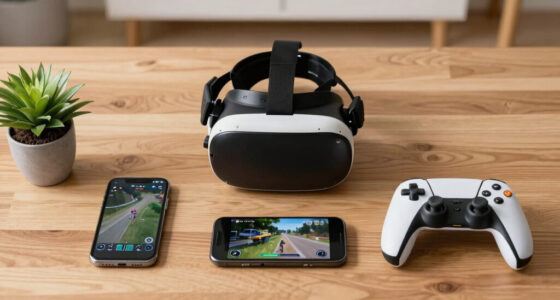
Online interest is spiking in reports that Apple is testing a lighter version of the Vision Pro under the codename N224, amid continued doubts about the headset’s market performance. The trigger for the coverage is unconfirmed: no announcement, specification, or release timing has been verified.
Attention is turning to reports that Apple is experimenting with lighter headset designs under the internal codename N224, framed by observers as a potential response to persistent doubts about the Vision Pro‘s weight, price, and early sales momentum. The coverage surge is the concrete development; the underlying product work is not. No announcement, specification sheet, or release window has been confirmed by Apple, and the N224 designation itself originates from unverified supply-chain reporting.
What is verifiable at this stage is limited to two things. First, Apple sells the Vision Pro, a mixed-reality headset that launched in the United States in early 2024 and later expanded to additional countries. Second, discussion of the device — including reports referencing an internal project reportedly labeled N224 with lighter designs under test — is spreading across technology news sites and social platforms, producing a measurable spike in search interest. That is the extent of the confirmed record.
The claims attached to the coverage should be treated as reporting on rumored hardware, not established fact. According to the circulating reports, Apple is said to be evaluating designs that would reduce the headset’s weight, which currently sits at roughly 600 to 650 grams depending on configuration — a figure Apple itself publishes. Critics and early reviewers have repeatedly identified weight and comfort, along with the $3,499 starting price, as the device’s main friction points. None of the reported N224 test details — target weight, materials, component changes, or timeline — have been corroborated by Apple or by named executives.
Apple does not comment on unannounced products as a matter of long-standing policy, which means the absence of confirmation is expected and does not itself indicate whether the reports are accurate. The company is known to maintain multiple parallel hardware explorations, and internal codenames frequently appear in supply-chain leaks; many such projects never ship in the form described, or at all.
Why a Lighter Vision Pro Would Matter
The interest in this story reflects a real tension in Apple’s headset business. The Vision Pro is the company’s first major new hardware category since the Apple Watch, and its long-term trajectory matters to developers, investors, and buyers weighing whether to invest in the visionOS ecosystem. If Apple were genuinely testing substantially lighter designs, it would signal recognition that the first-generation device’s physical comfort is a commercial obstacle rather than a minor complaint.
A weight reduction would also matter for practical reasons. Reviewers and users have widely reported that extended sessions with the current headset cause forehead and cheek fatigue, limiting the device’s usefulness for the long-form work and media consumption Apple has promoted. Any credible path to a lighter, presumably cheaper successor would directly affect adoption — but readers should note that none of that path has been announced.
Vision Pro’s First Two Years in the Market
The Vision Pro launched in the US in February 2024 at a starting price of $3,499, with international rollout following later that year. Early reception praised its display quality and passthrough video but consistently flagged weight, comfort, limited battery life, and price. Sales figures have never been disclosed by Apple; third-party estimates have varied widely and remain unverified.
Reports of successor and variant work — including cheaper models and design revisions — have circulated in technology media since before the original launch, consistent with Apple’s normal practice of iterating on new categories. The N224 reporting fits that pattern but adds no confirmed detail. The doubts referenced in coverage refer to analyst and press skepticism about demand, which is itself based on estimates rather than official data.
What Is Unverified About N224
Nearly everything specific remains unconfirmed. The N224 codename, the existence of lighter test units, any target weight, materials, chip changes, price positioning, and release timing are all unverified. It is not clear whether the reported tests represent a full successor, an interim revision, or one of several parallel prototypes. It is also unknown whether any such product would reach market in 2026, later, or ever. The surge in coverage itself appears driven by aggregator and social pickup rather than a single named disclosure, and no trigger event — such as a filing, analyst note, or official teaser — has been identified.
Signals That Would Confirm the Reports
Watch for verifiable markers rather than further rumor recycling: visionOS update cycles, developer-session content at Apple’s annual Worldwide Developers Conference, supply-chain filings or component orders attributable to a specific design, and any on-record statement from Apple. A price adjustment or revision to the current Vision Pro would be an earlier observable signal than a fully redesigned successor. Until one of those appears, the N224 story should be read as an unconfirmed development report.
Key Questions
Is the N224 lighter Vision Pro confirmed?
No. The N224 codename and lighter-design claims come from unverified reports. Apple has not announced any successor or revision.How much does the current Vision Pro weigh?
Roughly 600 to 650 grams depending on configuration, a figure Apple publishes. Weight is among the most common criticisms in reviews.Why do people doubt the Vision Pro’s success?
Doubts stem from the $3,499 starting price, comfort limitations, and unverified third-party sales estimates. Apple has not released sales figures for the device.When might a lighter Vision Pro be released?
There is no confirmed release timing. Any date circulating online is speculation pending an Apple announcement.Would a lighter model be cheaper?
Unknown. Lighter materials or redesigns could raise or lower costs; no pricing for any unannounced model exists.Source: rss
Fall Picks
fall essentials
As an affiliate, we earn on qualifying purchases.