
TL;DR

Get VR and gaming gear delivered free — and shop member deals
- Fast, free delivery on millions of items
- Access to Prime Big Deal Days deals on October 6–7
- Prime Video, Amazon Music and more included
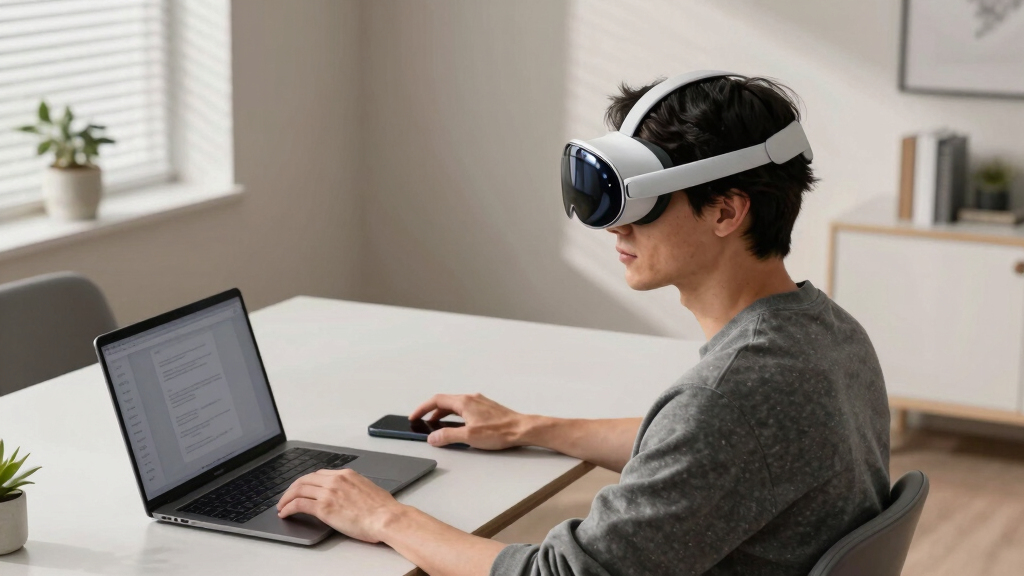
Apple has increased the price of its Vision Pro headset by $200, bringing it to $3,700. The hike is driven by a global shortage of RAM and storage components affecting many devices. The move reflects broader industry price adjustments due to supply chain disruptions, which are also impacting Apple’s immersive video offerings.
Apple has increased the retail price of its Vision Pro mixed reality headset by $200, now costing $3,700. This price hike is confirmed and is part of a broader increase across Apple’s product lineup, driven by ongoing shortages of RAM and storage components affecting the technology industry. Learn more about Apple’s product price adjustments.
According to reports from 9to5Mac, Apple’s latest M5 version of the Vision Pro, released in October 2025, now costs $3,700, up from the original $3,500. The increase aligns with the company’s statement to Reuters, where Apple explained that it has ‘never seen a component price increase this much, this quickly,’ and has now begun passing some costs onto consumers. Read more about Apple’s pricing strategy.
Aside from the Vision Pro, other Apple devices—including MacBook, iPad, iPad Air, Apple TV, and HomePod—have also seen significant price increases. Notably, the MacBook Neo, launched in March at $600, is now priced at $700. Apple confirmed that the price adjustments are due to a surge in RAM and NAND storage costs, primarily driven by demand from AI data centers and the limited supply from key manufacturers like Samsung, SK Hynix, and Micron Technology.
Apple has historically managed component costs through strategic sourcing, but the current global demand for AI infrastructure has strained supply chains, leading to these recent price hikes. The company emphasized that it has ‘shielded customers from these increases so far,’ but the current market conditions have made further adjustments unavoidable.
Implications for Consumers and Industry Pricing
This price increase highlights the ongoing impact of global supply chain disruptions on consumer electronics. As major tech companies like Apple adjust prices due to shortages, consumers face higher costs for premium devices. The move also signals broader industry trends, with component shortages influencing product pricing and availability across the market, especially for high-demand AI-related hardware.As an affiliate, we earn on qualifying purchases.
Global Chip Shortages and Industry-Wide Price Hikes
The recent price hikes come amid a broader industry trend driven by shortages of RAM and NAND storage components. These shortages are largely caused by surging demand from AI data centers, with key manufacturers like Samsung, SK Hynix, and Micron producing 93 percent of the world’s RAM. Apple, which has traditionally negotiated favorable component prices, now faces increased costs as AI giants such as Microsoft, Google, and Meta compete for limited supplies. Previous industry responses include Meta’s $50-$100 increases on Quest VR headsets and Valve’s price hike for Steam Deck, reflecting a wider pattern of rising hardware costs amid supply constraints.
Apple’s decision to raise prices on its latest devices underscores the severity of the supply chain crisis, which has impacted component costs globally. While Apple claims to have managed costs until now, the current conditions have forced the company to pass some of these costs onto consumers, marking a significant shift in its pricing strategy.
“We have never seen a component price increase this much, this quickly. We have shielded our customers from these increases so far, but we have now reached a point where we need to begin raising prices on a number of products.”
— Apple spokesperson
As an affiliate, we earn on qualifying purchases.
Unclear Impact on Future Product Pricing and Supply
It is not yet clear how long the supply shortages will persist or if Apple will continue to raise prices on other products. The company has indicated that these increases are due to current market conditions, but the duration and scope of future adjustments remain uncertain. Additionally, the specific impact on product availability and consumer demand is still developing, with analysts watching for potential delays or further price hikes.
high-end VR headset with eye tracking
As an affiliate, we earn on qualifying purchases.
As an affiliate, we earn on qualifying purchases.
Next Steps for Apple and Consumer Market Response
Apple is expected to continue monitoring supply chain conditions and may adjust prices further if shortages persist. Consumers and industry watchers will be watching for any announcements regarding new supply chain strategies or alternative sourcing. Additionally, competitors may follow suit with their own price adjustments, further influencing the market landscape in the coming months.
As an affiliate, we earn on qualifying purchases.
Key Questions
Why did Apple increase the Vision Pro price?
Apple increased the Vision Pro price by $200 due to a global shortage of RAM and storage components, which has raised manufacturing costs.
Will other Apple products see price increases?
Yes, multiple Apple devices, including MacBook, iPad, and Apple TV, have already experienced price hikes as a result of component cost increases.
How long will these price increases last?
The duration is uncertain; Apple indicated that the current shortages are a primary driver, but it has not specified how long supply constraints will continue.
Are these shortages affecting product availability?
Supply chain disruptions have impacted the availability of certain components, which may lead to delays or limited stock of affected devices.
Could Apple reduce prices if supply issues improve?
Potentially, if supply chain conditions stabilize and component costs decrease, Apple might adjust prices downward, but no official plans have been announced.
Source: Road to VR
Halloween Picks
halloween
As an affiliate, we earn on qualifying purchases.