
TL;DR

Play games on Amazon Luna for your next adventure, included with Prime
- A rotating selection of games, no download needed
- Play on TV, laptop or phone
- Fast, free delivery for your gear, too
ArtQuest VR, created by university professor Eric Mosinger, has grown into a prominent virtual museum platform. Its latest expansion adds significant new collections, drawing from major institutions, and offers immersive art experiences. The project exemplifies innovation in digital art accessibility.
ArtQuest VR, developed by university professor Eric Mosinger, has become one of the most ambitious virtual museums in VR, following its recent addition of two major DLC collections. The expansion introduces over 1,400 three-dimensional sculptures and artifacts, sourced from renowned institutions including the Louvre, the Met, and the British Museum. This development highlights a significant step forward in accessible, immersive art experiences in virtual reality, attracting both museum enthusiasts and new audiences.
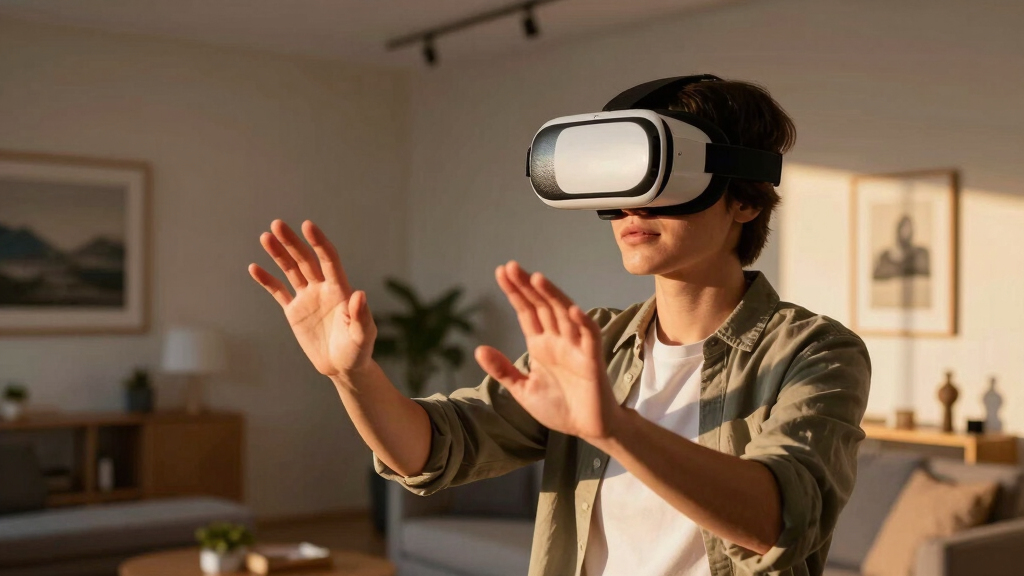
Founded by Mosinger, who built the platform after struggling to find a comprehensive VR museum experience himself, ArtQuest VR now features extensive collections from digitization projects and publicly available scans. The latest update adds two collections: Sculpture & Decorative Arts and Ancient Art & Archaeology, broadening the scope from paintings to three-dimensional artifacts. The platform allows users to explore sculptures at their own pace, with features like rotation and close inspection, simulating a museum visit in VR.
Mosinger, a self-taught Unity developer, curated every piece, ensuring quality and licensing compliance. The app’s design draws inspiration from the Getty Museum’s galleries, with realistic settings that enhance immersion. The project emphasizes detailed, high-quality models, optimized for standalone VR hardware like Quest, often requiring complex decimation of polygon counts to maintain performance without sacrificing detail.
The experience offers users a new way to engage with art, allowing close-up study of textures, brushstrokes, and details often missed in physical visits. Mosinger’s goal was to create a platform that encourages curiosity and extends the museum experience beyond traditional constraints, making art accessible to a broader audience, including older adults and educational institutions.
Impacts of ArtQuest VR on Digital Art Accessibility
ArtQuest VR represents a major advancement in virtual art experiences, making high-quality, curated collections accessible to anyone with VR hardware. Its extensive collaborations with major museums demonstrate a shift toward digital preservation and educational outreach. The platform’s ability to provide detailed, immersive encounters with artworks has the potential to influence how museums and educational institutions approach virtual engagement, especially as VR hardware becomes more widespread.
By offering an experience free from crowds, barriers, and time constraints, ArtQuest VR enables deeper appreciation and study of art. This approach could complement physical museum visits, serve as a tool for art education, and foster greater interest in cultural heritage among diverse audiences.
VR headset for virtual museum tours
As an affiliate, we earn on qualifying purchases.
As an affiliate, we earn on qualifying purchases.
Development and Growth of Virtual Museum Platforms
Eric Mosinger’s journey began with personal frustration after visiting the Getty Museum and seeking a VR alternative. His initial prototype used images from Google Arts & Culture but shifted to public domain sources like Wikimedia Commons due to licensing issues. Over time, he expanded the platform by sourcing 3D models from museum digitization projects and photogrammetry collections, carefully curating each addition.
Prior to this expansion, VR museum experiences were often limited in scope, focusing mainly on paintings or small collections. Mosinger’s work with ArtQuest VR has helped set a new standard for immersive, multi-dimensional art exploration. The platform’s growth reflects broader trends in digital preservation, open access to cultural heritage, and the increasing role of VR in education and entertainment.
“Building ArtQuest was about creating the museum experience I couldn’t find. It’s been a challenging but rewarding journey.”
— Eric Mosinger
standalone VR headset with high resolution
As an affiliate, we earn on qualifying purchases.
As an affiliate, we earn on qualifying purchases.
What Aspects of ArtQuest VR Remain Unclear?
It is not yet clear how widely adopted the platform will become in educational or institutional settings beyond initial partnerships. The long-term sustainability of the project depends on funding, user engagement, and further institutional collaborations. Additionally, the extent of user-generated content or community features remains unspecified, and the impact on physical museum attendance is still to be studied.
VR controllers for art exploration
As an affiliate, we earn on qualifying purchases.
As an affiliate, we earn on qualifying purchases.
Future Developments and Potential Expansions for ArtQuest VR
Next steps likely include expanding collections further, possibly integrating more interactive features like guided tours or educational modules. Mosinger has indicated ongoing efforts to improve usability and performance, especially as hardware capabilities evolve. Partnerships with additional museums and institutions could further enhance the platform’s scope, and user feedback will shape future updates. Monitoring how the platform influences art education and museum engagement will be key in the coming months.
VR glasses for immersive art experiences
As an affiliate, we earn on qualifying purchases.
As an affiliate, we earn on qualifying purchases.
Key Questions
How does ArtQuest VR source its artworks?
It sources artworks from digitization projects, publicly available scans, and museum collections, with careful curation to ensure quality and licensing compliance.
Can I visit ArtQuest VR on any VR headset?
Yes, it is optimized for standalone headsets like Oculus Quest, but performance and experience may vary across devices.
What types of artworks are available in the latest collections?
The collections include over 1,400 sculptures and artifacts, ranging from prehistoric objects to modern sculptures, including works by Michelangelo and ancient archaeological sites.
Is ArtQuest VR free to use?
The app is free, but access to certain collections or features may depend on platform policies or future updates.
What are the main limitations of ArtQuest VR currently?
Limitations include hardware performance constraints, limited interactivity compared to physical museums, and ongoing development needs to expand collections and features.
Source: UploadVR
Evergreen bestsellers Picks
bestsellers
As an affiliate, we earn on qualifying purchases.