
TL;DR

Play games on Amazon Luna for your next adventure, included with Prime
- A rotating selection of games, no download needed
- Play on TV, laptop or phone
- Fast, free delivery for your gear, too
Avantis Education has confirmed the integration of Proteus Labs’ MR science experiments into its platform. This move aims to enhance hands-on science learning through mixed reality. Details on implementation timelines are still emerging.
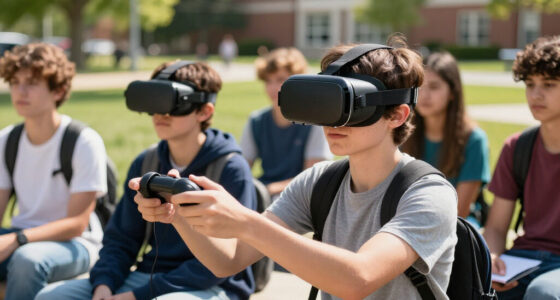
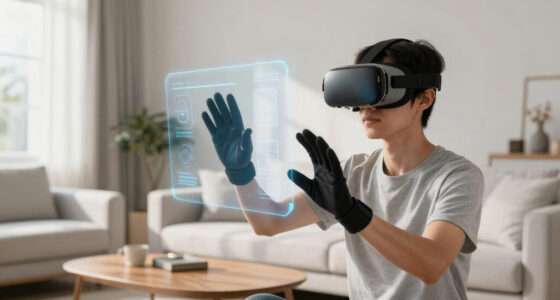
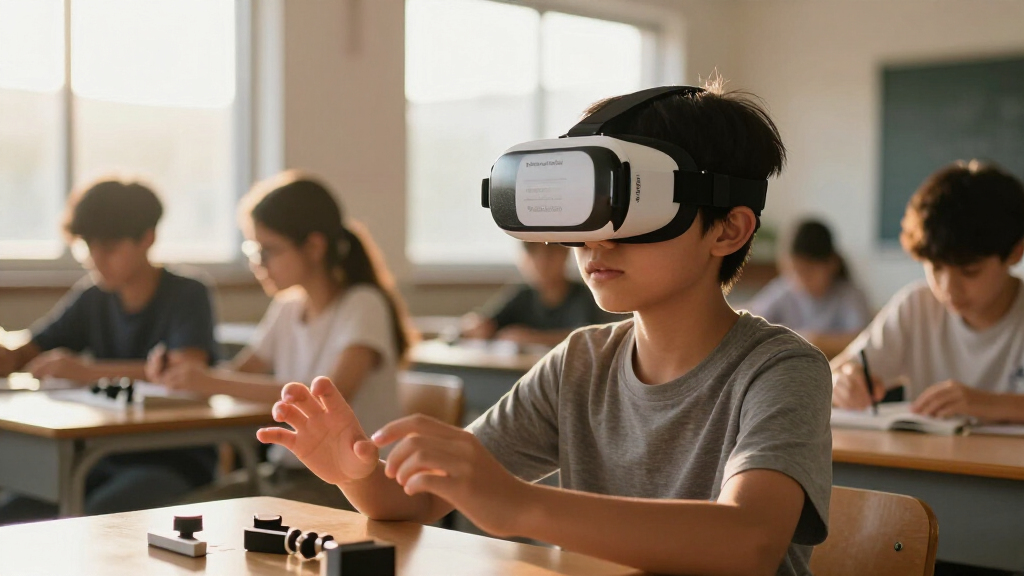
Avantis Education has officially confirmed the integration of Proteus Labs’ mixed reality science experiments into its educational platform. This development aims to provide students with immersive, hands-on science experiences through MR technology, marking a significant step in digital science education. The move is part of Avantis Education’s broader strategy to expand its interactive learning tools and adapt to increasing demand for virtual and augmented reality applications in classrooms.
According to the company, the integration will enable students to conduct virtual science experiments with a focus on chemistry, physics, and biology, utilizing Proteus Labs’ MR technology. Although specific rollout dates and platform details have not yet been disclosed, sources close to Avantis Education indicate that the feature is in the final stages of development and testing.
Proteus Labs specializes in creating mixed reality experiences that blend digital simulations with real-world interactions, aiming to make science education more engaging and accessible. The partnership aligns with trends seen across edtech markets, where immersive technologies are increasingly being adopted to supplement traditional teaching methods.
Avantis Education, known for its focus on digital learning solutions, has previously integrated virtual labs and interactive simulations into its offerings. The addition of Proteus Labs’ MR experiments is expected to complement these tools, providing a more comprehensive, multisensory learning environment for students.
Potential Impact on Science Education Accessibility
This integration could significantly enhance the accessibility and engagement of science education, especially in remote or under-resourced schools. MR experiments allow students to perform complex procedures safely and cost-effectively without the need for physical lab equipment. If successfully implemented, this could democratize access to high-quality science labs and experiments worldwide.
Moreover, the use of mixed reality may improve student understanding of scientific concepts by providing visualizations and interactive elements that are difficult to replicate in traditional classrooms. Experts suggest that such immersive experiences could lead to better retention and interest in STEM fields, which are critical for future workforce development.
mixed reality science experiment kits for students
As an affiliate, we earn on qualifying purchases.
As an affiliate, we earn on qualifying purchases.
Growing Adoption of Mixed Reality in Education
The integration of MR technology into educational platforms reflects a broader trend toward immersive learning tools. Over recent years, schools and edtech companies have increasingly invested in virtual and augmented reality to enhance engagement and understanding, particularly in science and technical subjects.
While specific details about Proteus Labs’ MR experiments are still emerging, the company has been active in developing applications that combine digital simulations with real-world interactions. The partnership with Avantis Education signals a growing recognition of the potential for MR to transform classroom experiences, especially as hardware costs decrease and accessibility improves.
It is worth noting that the overall market interest in MR and VR in education has spiked recently, driven by innovations in hardware and software, and by the need for remote learning solutions prompted by recent global events. However, the exact scope and timeline of this particular integration remain unconfirmed.
virtual science lab equipment for classrooms
As an affiliate, we earn on qualifying purchases.
As an affiliate, we earn on qualifying purchases.
Details of Implementation and Timing Still Unclear
It is not yet confirmed when the MR experiments will be available across Avantis Education’s platform or which specific products will incorporate the technology first. Details about hardware requirements, user access, and curriculum integration are still emerging. Additionally, the scope of experiments and their alignment with existing standards have not been publicly disclosed.
As an affiliate, we earn on qualifying purchases.
Expected Timeline for Rollout and Further Details
Avantis Education is expected to provide updates on the pilot testing phase and official launch timelines in the coming months. The company may also release detailed information about the features, hardware compatibility, and curriculum integration plans. Stakeholders and educators will likely be eager to see how these MR experiments perform in real classroom settings before broader deployment.
As an affiliate, we earn on qualifying purchases.
Key Questions
What types of science experiments will Proteus Labs’ MR technology include?
While specific experiments have not been publicly detailed, they are expected to cover core areas such as chemistry, physics, and biology, utilizing mixed reality to simulate laboratory procedures and scientific phenomena.
Will this integration require special hardware?
Details about hardware requirements are still emerging, but MR experiences typically need compatible headsets or devices. Avantis Education and Proteus Labs are expected to clarify hardware specifications closer to the launch.
Is this development available worldwide?
It is currently unclear whether the MR experiments will be rolled out globally or initially in select markets. Further announcements from Avantis Education are anticipated.
How does MR improve science learning compared to traditional methods?
MR allows students to visualize complex concepts, perform virtual experiments safely, and engage interactively with scientific phenomena, potentially leading to better understanding and retention.
Will teachers receive training to use these MR experiments?
Training plans have not been confirmed, but educational technology providers typically offer onboarding and support to ensure effective implementation in classrooms.
Source: rss
Fall Picks
fall essentials
As an affiliate, we earn on qualifying purchases.