
TL;DR

Play games on Amazon Luna for your next adventure, included with Prime
- A rotating selection of games, no download needed
- Play on TV, laptop or phone
- Fast, free delivery for your gear, too
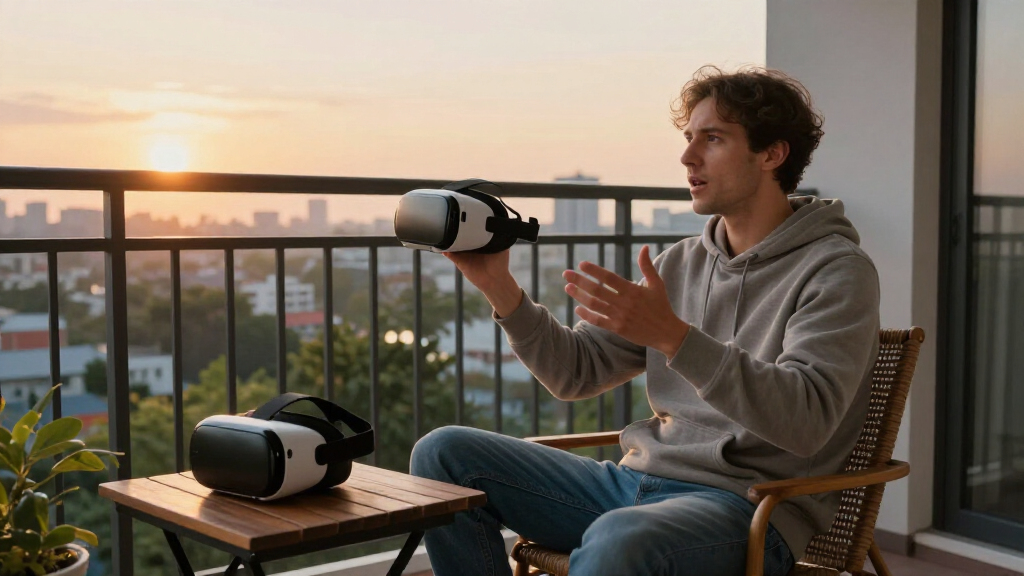
Anton Hand, an indie VR developer, has spoken out against Facebook’s surveillance practices in virtual reality, emphasizing resistance to the company’s data collection efforts. The development underscores ongoing privacy debates in the VR industry.
Anton Hand, an independent virtual reality developer, has publicly voiced opposition to Facebook’s surveillance tactics in VR, emphasizing his resistance to the company’s data collection practices. The statement highlights ongoing concerns within the VR community about privacy and corporate control, especially as Facebook (now Meta) continues to dominate the VR space.
Hand’s criticism emerged through a series of posts on the r/virtualreality subreddit, where he detailed his decision to avoid Facebook’s Oculus platform and its data tracking features. He expressed concern over the company’s approach to user privacy, citing fears of pervasive surveillance and data misuse.
While Facebook (Meta) has integrated extensive data collection into its VR ecosystem, Hand’s stance reflects a broader movement among independent developers and users advocating for privacy rights. He stated that his decision to resist Facebook’s ecosystem is rooted in a desire to maintain user autonomy and avoid corporate overreach.
It is confirmed that Hand has chosen to develop and distribute his VR projects outside of Facebook’s platform, using alternative methods that do not involve Facebook’s tracking systems. The specifics of his technical approach are still emerging, but he emphasized that privacy can be maintained without sacrificing functionality.
VR Privacy • Developer Independence
Indie Dev Anton Hand on Resisting the Facebook Panopticon
One developer’s reported choice points to a wider debate: how much personal data should a virtual reality platform collect, and how much control should users and creators retain?
The central tension
Immersive technology can reveal more than what users click.
Movement, interactions, and social behavior make privacy a defining VR concern.
Who
Anton Hand Independent VR developerIssue
Privacy Data collection and surveillance concernsReported choice
Outside Develop and distribute beyond Facebook’s platformPolicy outlook
Unclear Future changes and wider adoption remain uncertain01 / The development
A platform choice becomes a privacy statement
According to the supplied account, Hand criticized Facebook’s approach to VR user data in posts on r/virtualreality. He said he would avoid the Oculus ecosystem and its tracking features, choosing independent development and distribution instead. His position centers on user autonomy and concern about corporate monitoring.
Concern
Data in immersive spaces
VR systems can involve behavioral, social, and movement-related information, raising questions about collection, use, and user control.
Response
Build beyond one ecosystem
Hand is reported to develop and distribute projects independently, outside Facebook’s platform and tracking systems.
Open question
How the alternatives work
The specific technical methods are still emerging. The account says privacy can be maintained without giving up functionality.
02 / The wider context
VR’s privacy debate has structural roots
Facebook acquired Oculus in 2014 and later integrated VR into its broader platform strategy. The supplied account describes long-running concerns about the data gathered across VR experiences, while developers and advocates call for clearer limits, transparency, and user control.
Platform-centered route
- Use an established, dominant VR ecosystem.
- Consider what user and interaction data the platform collects.
- Depend on the platform’s distribution and policy decisions.
Independent route
- Develop and distribute through alternative channels.
- Seek greater control over product and data choices.
- Make privacy a visible part of the developer’s position.
03 / What may follow
From individual resistance to industry pressure
Hand’s decision reflects a broader push for privacy-respecting VR. Whether it changes developer behavior or platform policy is not yet known; community pressure and regulatory scrutiny may shape what happens next.
Choose an approach
Developers weigh reach, infrastructure, and data practices.
Offer alternatives
Independent tools and stores can create different options.
Build expectations
Users and creators ask for transparency and meaningful control.
Watch for change
Policy shifts remain uncertain amid criticism and oversight.
04 / Questions to watch
What this means for developers and users
Why is Hand resisting Facebook’s VR ecosystem?
He is concerned about privacy and surveillance, and prefers to make and distribute VR projects without relying on Facebook’s data collection practices.
What alternatives can developers use?
Independent applications, open-source tools, and alternative stores are possible routes. The specific methods Hand uses have not been fully detailed.
Could Facebook change its data policies?
That remains uncertain. Criticism, community expectations, and regulatory scrutiny could influence future decisions.
Why does this matter to VR users?
It raises questions about personal data and highlights the possibility of choosing experiences built around stronger privacy expectations.
Implications for VR Privacy and Developer Independence
This development underscores a growing divide within the VR community over data privacy and corporate influence. Hand’s stance highlights the potential for independent developers to challenge Facebook’s dominance by prioritizing user privacy and alternative distribution methods. It also raises questions about the future of data collection practices in VR and whether more developers and users will follow suit, potentially reshaping industry standards and user expectations.
As an affiliate, we earn on qualifying purchases.
Background on Facebook’s VR Data Practices
Facebook’s acquisition of Oculus in 2014 marked a significant shift in the VR industry, with the company integrating extensive data collection and surveillance features into its ecosystem. Over the years, Facebook has implemented tracking for user behavior, social interactions, and even physical movements within VR environments, raising privacy concerns among users and developers.
In recent years, there has been increasing scrutiny of Facebook’s data practices, especially following revelations about widespread surveillance and data misuse. Many independent developers and privacy advocates have called for greater transparency and control over user data, leading some to develop alternative VR solutions that minimize or eliminate reliance on Facebook’s infrastructure.
Anton Hand’s public opposition aligns with this broader movement, emphasizing resistance to the company’s surveillance model and advocating for privacy-centric development within the VR space.
independent VR headset without Facebook tracking
As an affiliate, we earn on qualifying purchases.
As an affiliate, we earn on qualifying purchases.
Unclear Future of Facebook’s VR Data Policies
It is not yet clear whether Facebook (Meta) will modify its data collection practices in response to growing criticism or if Hand’s stance will influence other developers to follow suit. Details about the technical methods Hand is using to avoid Facebook’s ecosystem are still emerging, and the company’s future policies remain uncertain amid ongoing regulatory scrutiny.
As an affiliate, we earn on qualifying purchases.
Next Steps for Developer Resistance and Industry Shift
Hand plans to continue developing and distributing VR projects independently, advocating for privacy-focused alternatives. Industry observers will be watching to see if other developers and users adopt similar positions, potentially leading to a broader movement against corporate surveillance in VR. Regulatory developments and community pressure may also influence Facebook’s future policies.
As an affiliate, we earn on qualifying purchases.
Key Questions
Why is Anton Hand resisting Facebook’s VR ecosystem?
He is concerned about privacy and surveillance, preferring to develop and distribute VR projects without Facebook’s data collection practices.
What alternatives are developers using to avoid Facebook’s platform?
Many are developing independent VR applications, using open-source tools, or distributing through alternative stores that do not track user data.
Could Facebook change its data policies in response?
It remains uncertain. Facebook faces regulatory pressure and community criticism, which could influence future policy adjustments.
How does this impact VR users?
It highlights ongoing privacy concerns and the possibility of more control over personal data if developers and users choose privacy-respecting options.
What is the significance of this resistance for the industry?
It signals a potential shift towards privacy-focused development and could challenge Facebook’s dominance in the VR market.
Source: r/virtualreality
Fall Picks
fall essentials
As an affiliate, we earn on qualifying purchases.