TL;DR
Researchers have developed a virtual reality-based method to assess walking balance more accurately. The study shows promising results, but further validation is needed. This could impact how balance issues are diagnosed and treated, similar to how virtual reality is used in medical training.
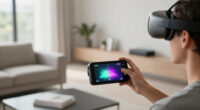
A new study has demonstrated that using virtual reality (VR) technology can enhance the assessment of walking balance. The research suggests that VR-based evaluations may offer more precise insights into balance impairments, which could influence future diagnostic practices.
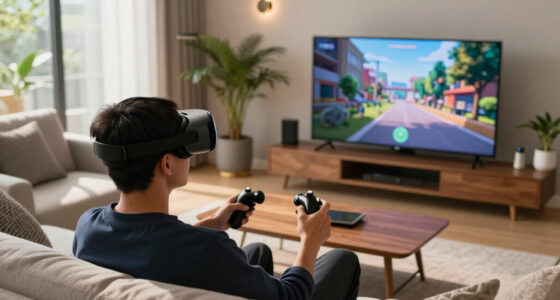
The study involved a pilot trial where participants underwent balance assessments using a VR system that simulated real-world walking scenarios. According to the researchers, initial results indicate that VR assessments can detect subtle balance issues that traditional methods might miss. The technology uses immersive environments to evaluate how individuals maintain stability during simulated walking tasks, providing detailed data on gait and postural control.
While the research is still in early stages, the team reports that the VR system was well-received by participants and showed potential for clinical application. The study was conducted by a team of researchers specializing in neurorehabilitation and biomechanics, aiming to improve diagnostic tools for balance disorders.
Potential Impact on Balance Disorder Diagnosis
This development could significantly improve the accuracy of diagnosing balance impairments, especially in populations such as elderly patients or stroke survivors. More precise assessments can lead to tailored treatment plans, potentially reducing fall risk and improving quality of life. If validated through larger studies, VR-based assessments might become standard practice in clinics and rehabilitation centers.
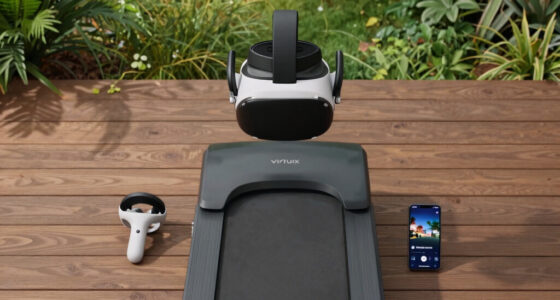
virtual reality balance assessment system
As an affiliate, we earn on qualifying purchases.
As an affiliate, we earn on qualifying purchases.
Advances in Virtual Reality for Medical Assessments
Virtual reality has increasingly been explored for medical applications, including pain management, therapy, and diagnostics. Prior research has shown VR’s potential to simulate realistic environments for various assessments. However, its use specifically for walking balance evaluation remains in early development, with limited clinical adoption so far.
This study builds on previous work by focusing on the accuracy and usability of VR in detecting balance issues, aiming to bridge the gap between laboratory research and clinical practice.
“Preliminary results suggest that VR can provide detailed insights into balance that traditional tests may overlook.”
— an anonymous researcher
As an affiliate, we earn on qualifying purchases.
Unconfirmed Aspects of VR Balance Assessment
It is not yet clear whether VR-based assessments will outperform traditional methods in large-scale clinical settings. The long-term reliability, cost-effectiveness, and integration into existing diagnostic workflows remain to be established. Additionally, the study’s sample size was limited, and results need replication in broader populations.
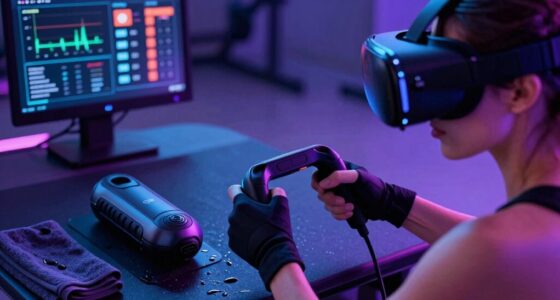
VR rehabilitation tools for balance
As an affiliate, we earn on qualifying purchases.
As an affiliate, we earn on qualifying purchases.
Next Steps for Validation and Implementation
Researchers plan to conduct larger clinical trials to validate the effectiveness of VR assessments. They aim to refine the technology for easier use in clinical environments and explore its integration with rehabilitation programs. Further research will also evaluate how VR assessments correlate with real-world fall risk and functional outcomes.
As an affiliate, we earn on qualifying purchases.
Key Questions
How does VR improve walking balance assessment?
VR creates immersive environments that simulate real-world walking scenarios, allowing for detailed analysis of balance and gait that traditional tests may not capture.
Is VR-based assessment ready for clinical use?
Not yet. The current research is preliminary, and larger validation studies are needed before VR assessments can become standard in clinics.
What populations could benefit most from this technology?
Individuals with balance impairments, such as elderly adults, stroke survivors, and patients with neurological conditions, could benefit from more precise diagnostics.
Are there any risks associated with using VR for assessment?
Potential risks include motion sickness or discomfort, but these are generally manageable. Further research will evaluate safety and tolerability in clinical settings.
When might VR-based balance assessments become widely available?
If ongoing validation studies are successful, clinical adoption could occur within the next few years, depending on regulatory approval and technological refinement.
Source: rss