
TL;DR

Play games on Amazon Luna for your next adventure, included with Prime
- A rotating selection of games, no download needed
- Play on TV, laptop or phone
- Fast, free delivery for your gear, too
A recent study investigates the potential of virtual reality to replace traditional hands-on medical training. While early results are promising, experts caution that further research is needed to confirm effectiveness. The development could impact medical education approaches worldwide.
A recent study has found that virtual reality training shows promise as an alternative to traditional hands-on medical education, though it is not yet confirmed as a complete replacement. The research, conducted by an academic team, aims to evaluate VR’s effectiveness in teaching practical skills to medical students and professionals, a development that could influence future training methods worldwide.
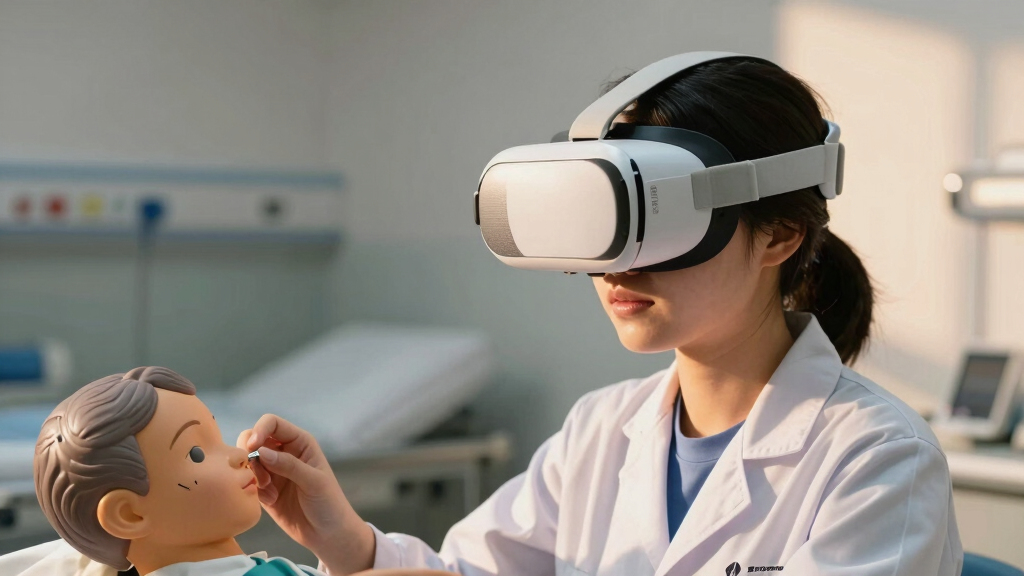
The study involved a controlled trial with medical students and residents, comparing their skill acquisition through VR simulations versus conventional practice on mannequins and cadavers. Initial results indicate that VR-trained participants performed comparably to those using traditional methods in certain procedural tasks, such as suturing and catheter insertion, according to the researchers.
However, the study also notes limitations, including the current technological constraints of VR systems and the inability to fully replicate tactile feedback and real-world variability. The researchers emphasized that VR should complement, not replace, traditional training at this stage, pending further validation.
Implications for Medical Education and Patient Safety
If virtual reality can reliably teach practical skills, it could revolutionize medical training by reducing costs, increasing accessibility, and allowing for repeated practice without resource constraints. This could be especially valuable in regions with limited access to cadaver labs or clinical opportunities. However, the current evidence does not confirm VR’s ability to fully replace hands-on experience, and patient safety considerations remain paramount.
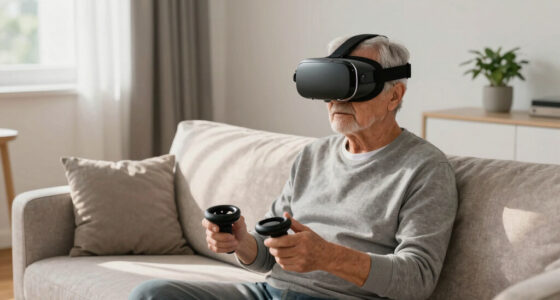
virtual reality medical training simulator
As an affiliate, we earn on qualifying purchases.
As an affiliate, we earn on qualifying purchases.
Background on VR in Medical Training Development
Over the past decade, virtual reality has been increasingly integrated into medical education, primarily as a supplementary tool. Prior smaller studies suggested VR could enhance engagement and initial skill acquisition, but comprehensive assessments of its effectiveness as a standalone method have been limited. The recent study represents one of the most extensive evaluations to date, aiming to determine if VR could eventually replace traditional methods entirely.
“Our preliminary data suggests VR can be an effective tool for teaching certain procedural skills, but it is not yet a complete substitute for real-world practice.”
— an anonymous researcher
As an affiliate, we earn on qualifying purchases.
Unconfirmed Aspects of VR’s Long-Term Effectiveness
It is not yet clear whether VR training can produce skills that are equivalent in quality and safety to those gained through traditional methods over extended periods. The study’s authors caution that further research is needed to verify long-term retention and real-world application of skills learned via VR. Additionally, the cost and accessibility of advanced VR systems remain factors to consider.
As an affiliate, we earn on qualifying purchases.
Next Steps in VR Medical Training Research
Researchers plan to conduct larger, multi-center trials to assess VR’s effectiveness across diverse populations and clinical scenarios. Developers are also working on improving VR hardware to better simulate tactile sensations. Regulatory bodies and medical institutions are expected to monitor these developments before widespread adoption occurs.
As an affiliate, we earn on qualifying purchases.
Key Questions
Can virtual reality fully replace traditional hands-on medical training?
Currently, the evidence suggests VR can supplement training for certain skills but is not yet a complete replacement. Further research is needed to confirm its long-term effectiveness and safety.
What are the main limitations of VR in medical training?
Technological constraints such as limited tactile feedback, high costs of advanced systems, and the challenge of simulating complex clinical scenarios are key limitations identified in current VR tools.
How soon might VR be widely used in medical education?
Widespread adoption depends on ongoing research outcomes, technological improvements, and regulatory approval. It could take several years before VR becomes a standard component of medical training programs.
Will VR reduce training costs for medical schools?
Potentially, yes. VR could lower costs associated with physical resources like cadavers and mannequins, but initial investments in hardware and content development remain significant.
Source: rss
Fall Picks
fall essentials
As an affiliate, we earn on qualifying purchases.