
TL;DR

Play games on Amazon Luna for your next adventure, included with Prime
- A rotating selection of games, no download needed
- Play on TV, laptop or phone
- Fast, free delivery for your gear, too
The Lovell Federal Health Care Center is set to begin using virtual reality technology to treat post-traumatic stress disorder (PTSD). The VR system was donated by nonprofit SoldierStrong and aims to improve mental health care for veterans.
The Captain James A. Lovell Federal Health Care Center will begin using virtual reality technology to treat post-traumatic stress disorder (PTSD) among veterans, following a donation from nonprofit organization SoldierStrong. This initiative aims to enhance mental health care options for those affected by combat and service-related trauma.
According to the Lovell Center, the VR system was donated by SoldierStrong, a nonprofit focused on supporting veterans through technological innovations. The system is designed to provide immersive therapy sessions that help veterans confront and manage traumatic memories in a controlled environment.
Officials from the center confirmed that the new VR therapy is in the pilot phase and will be integrated into existing mental health programs. The goal is to improve treatment outcomes for veterans suffering from PTSD, a condition affecting a significant portion of those who have served in combat zones.
While specific details about the VR platform or the timeline for full deployment have not been disclosed, the center emphasized that this approach represents a significant step toward modernizing mental health treatment for veterans.
Potential Impact on Veteran Mental Health Care
This development could mark a turning point in how PTSD is treated within veteran healthcare systems. Virtual reality therapy has shown promise in clinical settings for providing exposure therapy in a safe, controlled manner. If successful, it could lead to broader adoption across VA facilities and improve recovery rates among veterans.
Moreover, the donation from SoldierStrong highlights the growing role of nonprofit organizations and private sector support in advancing veteran healthcare services. Enhanced treatment options may reduce long-term mental health issues and improve quality of life for affected veterans.
As an affiliate, we earn on qualifying purchases.
Background on PTSD Treatment Innovations
Traditional PTSD therapies often include cognitive-behavioral therapy and medication, but challenges remain in engagement and effectiveness. Virtual reality therapy has been explored over the past decade as an innovative approach, with several studies indicating its potential to improve outcomes.
The Lovell Center’s initiative aligns with broader efforts within the VA system to incorporate emerging technologies into mental health care. SoldierStrong has previously donated medical devices and technology to veteran hospitals, emphasizing its commitment to innovative support.
“We are excited to incorporate virtual reality into our PTSD treatment programs, offering veterans a new avenue for recovery.”
— an anonymous representative from Lovell Center
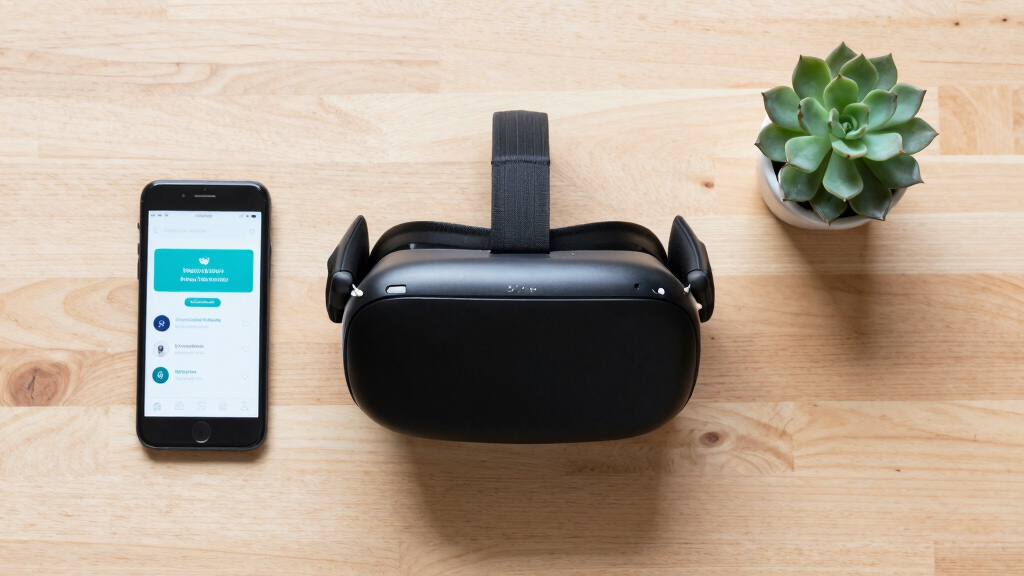
VR headset for mental health treatment
As an affiliate, we earn on qualifying purchases.
As an affiliate, we earn on qualifying purchases.
Details on Implementation and Effectiveness Still Unclear
It is not yet clear how quickly the VR therapy will be rolled out across the center or how it will perform in clinical practice. The effectiveness of VR for PTSD treatment at this specific facility remains to be evaluated through ongoing pilot studies. Additionally, long-term outcomes and patient acceptance are still unknown.
As an affiliate, we earn on qualifying purchases.
Next Steps for VR PTSD Therapy at Lovell Center
The Lovell Center plans to begin pilot testing the VR system within the next few months. Data collected from initial sessions will inform potential broader implementation and integration into standard PTSD treatment protocols. Further updates on the program’s progress and efficacy are expected as the pilot phase advances.
virtual reality PTSD treatment device
As an affiliate, we earn on qualifying purchases.
As an affiliate, we earn on qualifying purchases.
Key Questions
How will the VR therapy be integrated into existing PTSD treatments?
The VR system will complement current therapies, providing immersive exposure sessions that can be tailored to individual veterans’ needs, under supervision of mental health professionals.
Is this the first time VR has been used for PTSD treatment?
VR therapy has been explored in various clinical settings over the past decade, but its adoption in VA facilities is still emerging. The Lovell Center’s program represents a significant step forward.
When will veterans at Lovell Center start receiving VR therapy?
Implementation is expected to begin within the next few months, pending pilot testing and staff training.
Will this technology be available at other VA hospitals?
It is currently unclear. Success at the Lovell Center could lead to broader adoption across the VA system, but no official expansion plans have been announced.
What are the expected benefits of VR therapy for PTSD?
VR therapy aims to improve engagement, reduce treatment resistance, and enhance long-term recovery outcomes for veterans suffering from PTSD.
Source: rss
Halloween Picks
halloween
As an affiliate, we earn on qualifying purchases.