
Buying used VR gear can be a smart move if you want high-quality devices at a lower cost and are willing to assess their condition carefully. However, it can also be a terrible idea if hardware wear, compatibility issues, or outdated components hinder your experience. Faulty sensors or scratched lenses may reduce realism and immersion. To make an informed choice and avoid surprises, you’ll want to explore the key factors to take into account before purchasing used VR gear.

Play games on Amazon Luna for your next adventure, included with Prime
- A rotating selection of games, no download needed
- Play on TV, laptop or phone
- Fast, free delivery for your gear, too
Key Takeaways
- Used VR gear offers significant cost savings and accessibility for budget-conscious users.
- Hardware wear and tear can compromise performance and immersion, risking a poor experience.
- Compatibility issues may arise with newer software or devices, complicating setup and use.
- Proper maintenance and assessment are essential to ensure longevity and reliable performance.
- Damaged components like lenses or sensors can diminish virtual realism and user immersion.
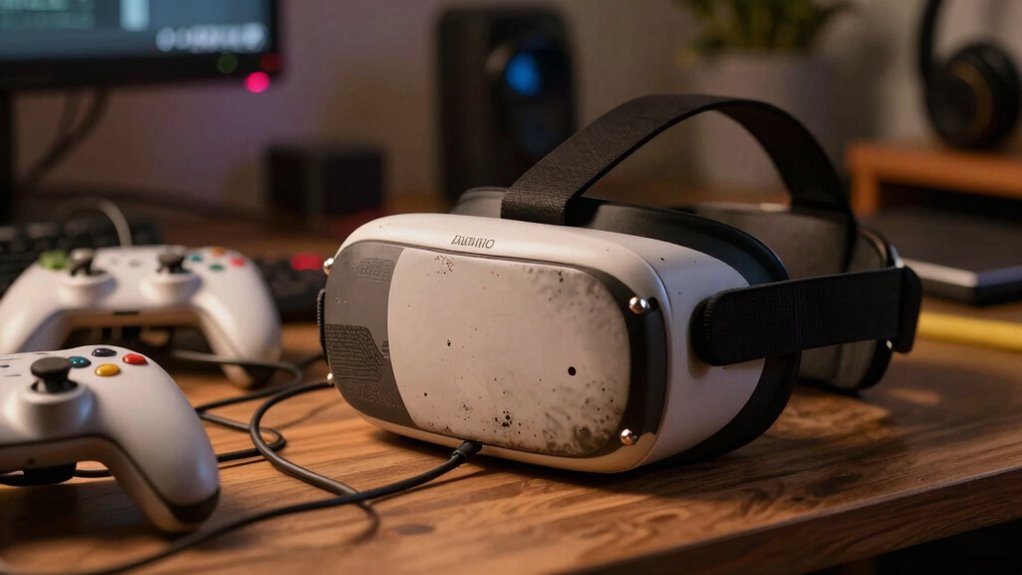
Used VR gear might seem like a smart way to save money, but it comes with its own set of risks and benefits. On one hand, you can access high-quality devices at a fraction of the original price, making virtual realism more affordable. However, you need to be cautious about the condition of the hardware and whether it will deliver the immersive experience you’re after. VR headsets are complex, with many components that can wear out or become outdated over time. When considering a used purchase, it’s crucial to evaluate hardware compatibility to guarantee the device will work seamlessly with your existing setup. Not all older VR gear will support the latest software or connect properly to newer computers or consoles, which can lead to frustration or a compromised virtual experience.
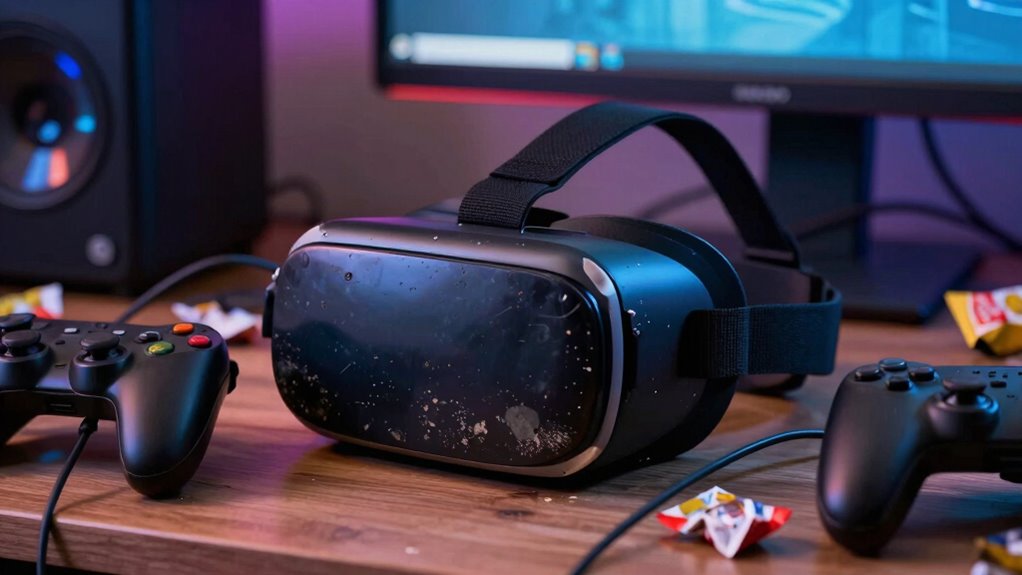
Virtual realism is what makes VR so compelling, drawing you into immersive worlds where visuals, sound, and motion work together flawlessly. If the used gear you’re eyeing isn’t properly maintained or compatible, you might find yourself with a device that falls short of delivering the true sense of presence. For example, a headset with a scratched lens or degraded tracking sensors can ruin the experience, making virtual environments feel less convincing. Compatibility issues aren’t limited to hardware but extend to software as well. Some older VR headsets may not support recent updates or require additional drivers, which can be tricky to install or troubleshoot if you’re not tech-savvy. Additionally, understanding hardware wear and tear can help you better assess the longevity and reliability of a used device before purchasing. Being aware of secondhand electronics risks can help you make a more informed decision and avoid unexpected expenses. Moreover, researching device longevity can give you insights into how long a used VR headset might remain functional before needing repairs or replacements. It’s also helpful to consider how frequently the device has been used, as extensive use can accelerate wear and tear and impact performance.
VR headset lens cleaning kit microfiber cloth
As an affiliate, we earn on qualifying purchases.
As an affiliate, we earn on qualifying purchases.
Frequently Asked Questions
How Does Used VR Gear Compare in Performance to New Devices?
Used VR gear often performs similarly to new devices regarding VR motion and display quality, but it can vary. You might find some devices with minor wear that still deliver smooth VR motion and sharp visuals. However, aging components or less effective tracking can affect performance. Always check for wear on lenses and sensors, and consider whether updates or repairs might be needed to guarantee ideal VR experience.
Are There Any Health Risks Associated With Used VR Headsets?
Using used VR headsets can pose health concerns, especially hygiene issues. You might worry about germs or skin irritations from previous users, which could lead to infections or discomfort. Always clean the headset thoroughly and consider replacing face pads. Be cautious if you have sensitive skin or respiratory issues. While the device itself isn’t inherently dangerous, neglecting sanitation could harm your health, so take proper precautions before diving into VR experiences.
What Should I Inspect Before Buying Used VR Equipment?
Before buying used VR equipment, you should inspect for brand authentication to guarantee it’s genuine and hasn’t been tampered with. Check that the hardware is clean and free of damage, especially lenses and straps. Verify software compatibility with your system and guarantee all accessories are included. Test the tracking, sensors, and controllers for responsiveness. Doing these checks helps you avoid issues and confirms the headset’s quality before making a purchase.
Can Used VR Gear Be Upgraded or Repaired Easily?
Used VR gear can often be upgraded or repaired, but you might face compatibility issues with newer accessories or software updates. Cosmetic damages might not affect performance but could indicate rough handling, making repairs more likely. Check if parts are replaceable and confirm compatibility before buying. If you’re comfortable troubleshooting, repairs and upgrades can save you money, but be prepared for potential challenges with older or damaged equipment.
Is There a Warranty or Support for Secondhand VR Devices?
Warranty concerns and support availability vary for secondhand VR devices. Some sellers offer limited warranties or support, giving you peace of mind, while others sell “as-is” with no guarantees. It’s essential to check the seller’s policies before buying. If support is limited, you might face challenges with repairs or troubleshooting later. Always research the specific device and seller, so you’re aware of what warranty or support options you can expect.
VR headset replacement facial interface foam cover
As an affiliate, we earn on qualifying purchases.
As an affiliate, we earn on qualifying purchases.
Conclusion
Buying used VR gear is like stepping into a shadowed forest—exciting but risky. You might find hidden treasures or stumble into thorny surprises. Think of it as steering through a mirror maze: what you see isn’t always what you get. If you’re willing to trust your instincts and inspect carefully, it can lead to adventures without breaking the bank. But beware—sometimes, the real journey begins after the purchase, when unseen pitfalls lurk in the darkness.
VR headset controller tracking sensor replacement accessories
As an affiliate, we earn on qualifying purchases.
As an affiliate, we earn on qualifying purchases.
used VR headset compatibility PC console
As an affiliate, we earn on qualifying purchases.
As an affiliate, we earn on qualifying purchases.
Halloween Picks
halloween
As an affiliate, we earn on qualifying purchases.