
TL;DR
Meta recently patched a privacy vulnerability in its Ray-Ban smart glasses. The fix addresses concerns about unintended data collection, but ongoing debates about privacy and design choices continue. The development highlights the importance of security in wearable tech.
Meta has released a security update to address a privacy vulnerability found in its Ray-Ban smart glasses, which could have allowed unauthorized access to user data. The development highlights the importance of security in wearable tech, like wearable device security. The fix was implemented in March 2024 and is aimed at preventing potential data leaks. This development is significant because it demonstrates Meta’s response to security concerns in its wearable devices, which have faced scrutiny over privacy issues.
The privacy flaw was identified by security researchers in early March 2024, who found that certain features of the Ray-Ban smart glasses could inadvertently expose user data, including video recordings and location information, to unauthorized parties. For more on privacy concerns, see smart glasses privacy updates. Meta confirmed the vulnerability and stated that it has now issued a firmware update to patch the issue. Learn more about Meta’s efforts to improve smart glasses privacy in privacy enhancements. The company emphasized that no user data was compromised before the fix was deployed, but acknowledged the risk posed by the flaw.
Meta’s spokesperson explained that the vulnerability was related to the device’s camera permissions and data transmission protocols, which could have been exploited by malicious actors. The company also said it is working on additional security measures to prevent similar issues in the future. The update is now available for all users via the official app, and Meta recommends that users install it promptly to ensure their privacy is protected.
Implications for User Privacy and Wearable Tech Security
This incident underscores the importance of security in wearable devices, which often collect sensitive personal data like video footage, audio, and location. The quick response from Meta demonstrates a recognition of these risks, but it also highlights the ongoing challenges in securing connected devices. For consumers, this raises questions about the safety of data collected by smart glasses and similar gadgets, especially as companies expand their wearable product lines.

Ailun 3 Pack Privacy Screen Protector for Apple Watch Ultra 3/Ultra 2/Ultra
Application: ONLY Compatible with Apple Watch Ultra 49mm (2025/2023/2022 Release). Not compatible with any other Apple Watch models.
As an affiliate, we earn on qualifying purchases.
As an affiliate, we earn on qualifying purchases.
Previous Privacy Concerns in Wearable Devices
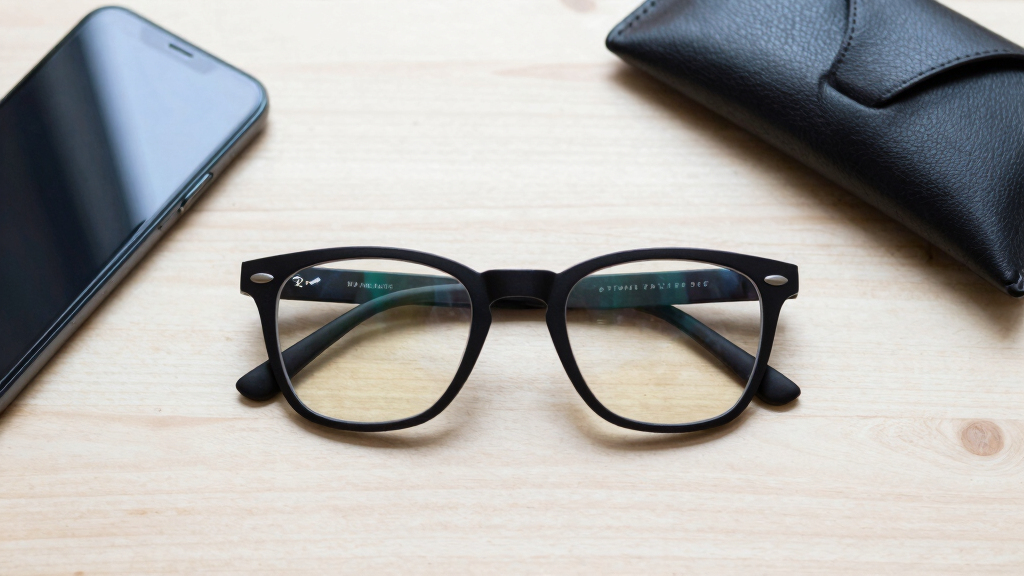
Meta’s Ray-Ban smart glasses, launched in 2021, have attracted attention for their stylish design and integrated camera features. However, privacy concerns have persisted since their launch, with critics questioning how user data is stored and protected. The recent vulnerability is not the first security issue associated with the device; earlier reports have raised alarms about potential unauthorized recording and data sharing.
Meta has publicly committed to improving security, but the incident illustrates the ongoing tension between innovation and privacy safeguards in wearable technology. The company’s response to the recent flaw, including the prompt deployment of a firmware update, reflects a recognition of these concerns, though it also prompts ongoing debate about whether more robust privacy protections are necessary.
“We have identified and fixed a privacy vulnerability in our Ray-Ban smart glasses to protect our users’ data. We recommend all users update their devices immediately.”
— Meta spokesperson

AMVR Magnetic 2-in-1 Charging Dock Compatible with Ray Ban Meta Wayfarer/Skyler/Headliner Smart Glasses Case Accessories, Charger with LED Indicator(Not Compatible with Oakley,Blayzer and Display)
2-in-1 Fast Charging:This magnetic charging station is compatible with your Ray-Ban Meta glasses and case, letting you quickly…
As an affiliate, we earn on qualifying purchases.
As an affiliate, we earn on qualifying purchases.
Remaining Privacy Risks and Future Security Measures
While Meta has fixed the identified vulnerability, it is unclear whether other security flaws exist in the Ray-Ban smart glasses or similar devices. The company has not disclosed detailed technical information about the vulnerability, and ongoing security testing is likely to reveal additional issues. It is also uncertain how effective future updates will be in preventing new vulnerabilities, especially as wearable tech becomes more complex.

20 Pcs Smart Glasses Camera Covers Sticker Removable Adhesive Patch
Camera Area Coverage Designed to cover the camera area on compatible smart glasses when you want the lens…
As an affiliate, we earn on qualifying purchases.
As an affiliate, we earn on qualifying purchases.
Next Steps for Meta and Wearable Device Security
Meta is expected to continue monitoring its devices for security issues and may release additional updates to enhance privacy protections. The company might also explore designing cameraless or more privacy-centric versions of its smart glasses to address consumer concerns. For users, it remains advisable to keep devices updated and stay informed about security advisories. Industry analysts will likely watch Meta’s approach to security as a benchmark for future wearable tech development.
wearable device security firmware update
As an affiliate, we earn on qualifying purchases.
As an affiliate, we earn on qualifying purchases.
Key Questions
What was the privacy vulnerability in Meta’s Ray-Ban glasses?
The vulnerability involved potential exposure of user data, including video recordings and location information, due to flaws in camera permissions and data transmission protocols. It could have been exploited by malicious actors before being fixed.
Has Meta confirmed that user data was compromised?
Meta stated that no user data was compromised before the fix was deployed, but the vulnerability posed a risk of unauthorized access if exploited.
Will Meta release new versions of the glasses with better security?
Meta is likely to continue updating its devices and may develop new, more privacy-focused designs, including cameraless options, but specific plans have not been publicly announced.
Are other wearable devices at similar risk?
Security vulnerabilities are common across connected devices, and ongoing testing may reveal additional issues. Users should keep their devices updated and follow security advisories.
What should users do now?
Meta recommends that users install the latest firmware update to protect their privacy and ensure their devices are secure.
Source: rss