
TL;DR

Play games on Amazon Luna for your next adventure, included with Prime
- A rotating selection of games, no download needed
- Play on TV, laptop or phone
- Fast, free delivery for your gear, too
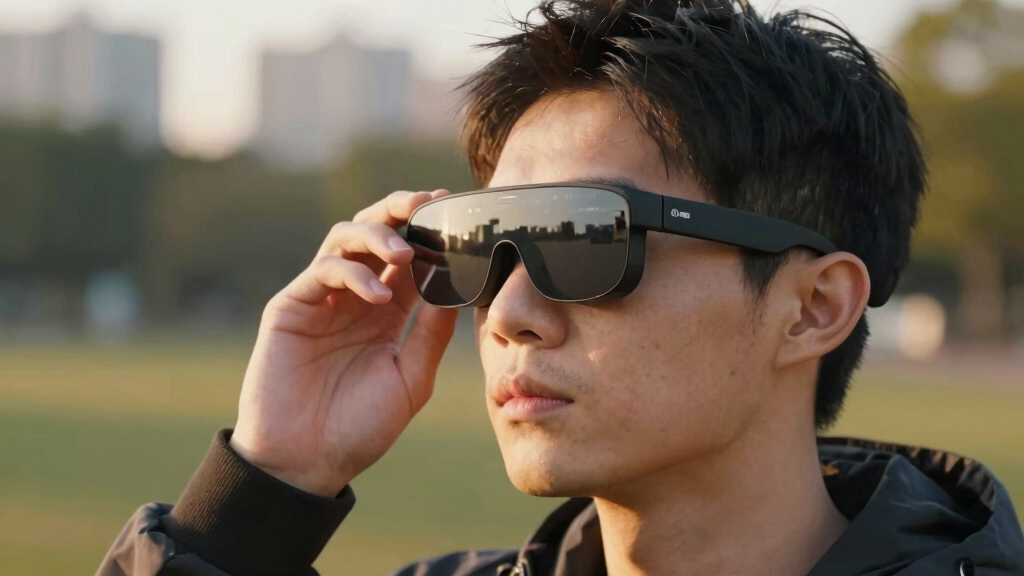
Meta has released a new update for its smart glasses that automatically disables the camera if the capture LED has been physically tampered with. This move aims to prevent surreptitious recording and address privacy concerns amid increasing legislation. Uncertainty remains around the full extent of the update’s effectiveness and potential future features.
Meta has introduced a firmware update that automatically disables the camera on its smart glasses if the device’s capture LED has been tampered with or destroyed. This change, now being deployed via the mandatory v26 update, aims to strengthen privacy protections and curb surreptitious recording, addressing user misuse and regulatory concerns.
Meta’s new update targets the longstanding issue of users physically disabling the capture LED, which signals when the camera is active. Previously, some users bypassed the software check by drilling out the hardware, rendering the LED ineffective. The latest firmware detects tampering or destruction of the LED and disables the camera accordingly. According to Meta VP of Wearables Alex Himel, this measure was implemented to prevent misuse, especially as Meta’s cheaper, non-styled Meta Glasses lack the visual cues of the Ray-Ban or Oakley models.
Meta emphasizes that the update does not brick the glasses but makes the camera non-functional if tampering is detected. Since the glasses lack a display, their primary use cases are limited to capturing photos and videos, which are now further restricted. The company has also introduced features like continuous Live AI capture, which uses the camera feed to assist users with tasks or identify objects in view, raising additional privacy considerations.
Regulatory and legislative pressures are mounting, with some US states and cities, such as New York and Philadelphia, banning smart glasses in certain public spaces like courthouses. Meanwhile, reports indicate that Meta has embedded facial recognition capabilities into its smart glasses, though these features have not yet been publicly released. The company is also facing a class-action lawsuit over alleged privacy violations, including the sending of private camera footage to subcontractors for AI training, which has attracted scrutiny from privacy advocates and lawmakers.
Impact on Privacy and User Safety
This update marks a significant step in Meta’s efforts to address growing privacy concerns and regulatory scrutiny over smart glasses. By disabling the camera if the capture LED is tampered with, Meta aims to reduce unauthorized recording and align with legislative trends banning or restricting smart glasses in sensitive environments. It also signals Meta’s recognition of the importance of user privacy in wearable technology, potentially influencing industry standards.
Products Worth Considering

DJI Mini 4K Drone with 4K UHD Camera

EcoFlow Delta 3 Max Portable Power Station with 220W Solar Panel, 2048Wh

Apple MacBook Air 13.6-inch Laptop with M5 Chip, 16GB Memory, 512GB SSD, Midnight
As an affiliate, we earn on qualifying purchases.
Legislative and Privacy Challenges for Smart Glasses
Since their launch, Meta’s smart glasses have faced criticism over privacy issues, including allegations of embedded facial recognition technology and the misuse of camera footage. Recent legislation in US states like New York and Philadelphia has targeted smart glasses, banning their use in certain public spaces. Additionally, a class-action lawsuit filed against Meta in March accuses the company of privacy violations related to data handling and AI training practices, further complicating its position in the wearable tech market.
“The privacy-focused update was meant to follow the release of our cheaper Meta Glasses, which lack the styling of Ray-Ban or Oakley, and to prevent increasing misuse.”
— Meta VP of Wearables Alex Himel
Extent of Effectiveness and Future Features
While Meta states that the update disables the camera when tampering is detected, it is not yet clear how thoroughly the system can detect different forms of hardware tampering or destruction. The potential for future features, such as more advanced AI-driven privacy controls or additional hardware safeguards, remains unconfirmed. Additionally, the scope of Meta’s facial recognition plans and how they might integrate with these privacy measures is still unclear.
Next Steps in Meta’s Privacy Strategy
Meta is expected to continue refining its firmware updates to enhance privacy protections, possibly introducing more sophisticated tampering detection and user controls. Monitoring legislative developments and public response will likely influence future hardware and software features. Meta may also clarify or expand on its AI capabilities and privacy policies as part of its broader strategy to address regulatory and consumer concerns.
Key Questions
Does the new update brick the glasses if the capture LED is tampered with?
No, Meta states that the update disables the camera but does not brick the glasses. The device remains functional for other features, but the camera cannot be used if tampering is detected.
Can users still take photos or videos after the update if they haven’t tampered with the LED?
Yes, the camera functions normally unless the LED is physically altered or destroyed. The update primarily targets hardware tampering to prevent surreptitious recording.
Are there plans to add more privacy features to Meta’s smart glasses?
While specific future features have not been confirmed, Meta has indicated ongoing efforts to improve privacy protections, including potential AI-driven controls and hardware safeguards.
Is Meta’s facial recognition technology active on these glasses?
Meta has embedded facial recognition into its smart glasses, but this feature has not yet been publicly released. Its future deployment remains uncertain.
How might legislation impact Meta’s smart glasses in the future?
Legislation banning or restricting smart glasses in public spaces, such as courts, could limit their use, prompting Meta to adjust features or marketing strategies accordingly.
Source: Road to VR