

TL;DR
Meta announced a firmware update that will automatically disable the camera if tampering with the privacy LED is detected on its smart glasses. The update applies retroactively and aims to address concerns over unauthorized recordings. The company is also cracking down on LED removal services and related advertising.
Meta is implementing a firmware update that will automatically disable the camera on its smart glasses if tampering with the privacy LED is detected. This development aims to address privacy concerns linked to modifications that bypass the LED’s indicator, which signals when the camera is active. The update will be mandatory for all users and will retroactively apply to glasses already modified, according to Meta.
Meta states that its new firmware update will detect if the privacy LED has been physically tampered with or destroyed and will disable the camera to prevent unauthorized recording. The company claims this is a industry-first feature, emphasizing its commitment to user privacy. The update is set to roll out across all existing Meta smart glasses models, including those modified to remove or obscure the LED, and will be mandatory for all devices.
Meta also announced that it will remove advertisements and posts promoting LED modification services on Facebook and Instagram. For related updates, see our article on Meta’s recent changes to smart glasses policies. Furthermore, the company said it is taking legal action against sellers of LED removal services, though details on the legal grounds remain unclear. This move follows recent reports of users physically removing or obscuring the LED to record covertly, raising privacy and safety concerns.
Since the first-generation Ray-Ban Meta glasses, which include an ambient light sensor in the privacy LED, the company has faced criticism over unauthorized recordings and modifications. You can learn more about these glasses in our comprehensive guide. Critics have dubbed the glasses “pervert glasses” or “creep glasses,” and some jurisdictions have called for bans. Meta’s new measures aim to curb these issues and reinforce the privacy safeguards built into the product.
Impact of Tampering Detection on Privacy and Security
This update is significant because it directly addresses privacy violations associated with the modification of smart glasses. By disabling the camera upon detecting tampering, Meta aims to prevent covert recording and restore user trust. It also sets a precedent for hardware manufacturers to incorporate tampering detection, potentially influencing industry standards and regulations around wearable privacy features.
However, the effectiveness of this approach depends on the accuracy of tampering detection and whether it can cover all forms of physical interference. The move also signals Meta’s intent to actively combat unauthorized modifications and associated misuse, which could impact the secondary market for such devices.

CALVES LED Light Cover Compatible with Smart Glasses, Anti-Scratch Indicator Sticker, Anti-Scratch Lens Guard, Privacy-Friendly Decor Shield, Adjustable Lens Protector Accessories (4 Pcs)
Adjustable Protective Shutter for Daily Use: Smooth sliding cover design lets you easily cover or expose the lens…
As an affiliate, we earn on qualifying purchases.
As an affiliate, we earn on qualifying purchases.
Background of Privacy Concerns and Modifications
Meta’s smart glasses, starting with the Ray-Ban Stories, have been among the best-selling consumer tech products over $300. They feature a white privacy LED that flashes when recording or livestreaming. Since their launch, critics and some users have raised concerns about privacy violations, especially when individuals modify or disable the LED to record secretly. Reports by tech journalist Joanna Stern highlighted the existence of services that physically remove or obscure the LED and ambient light sensor, enabling covert recording.
Such modifications have led to public backlash, with some calling the glasses “pervert” or “creep” devices, and legal debates about banning or regulating their use. Meta’s efforts to improve tampering detection follow ongoing scrutiny over these privacy issues, which have persisted despite the product’s popularity and marketing.
Previously, Meta and its partner EssilorLuxottica have taken steps to discourage modifications, including removing related ads and posts, and now, with this firmware update, they are aiming for a more technical solution to prevent tampering altogether.
“We are updating the glasses to disable the camera if they detect the LED was physically tampered with or destroyed.”
— Meta spokesperson
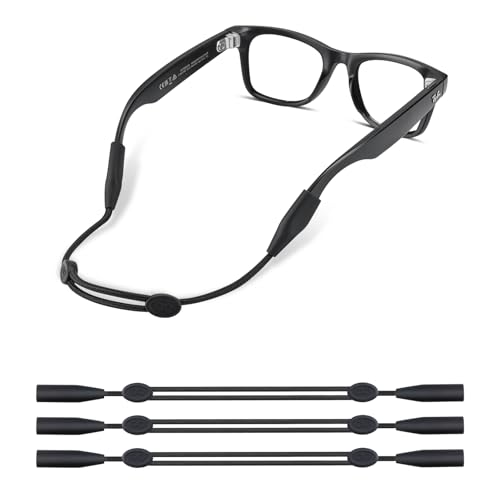
TBATAIL Glasses Strap for Ray-Ban Meta and Wide Frame Glasses –Adjustable Sunglasses Straps Cords for Men Women kids-Eye Glasses Holders Around Neck, Eyewear String Lanyard Retainer(3pcs 14in Black)
Designed for Ray-Ban Meta & Wide Frame Glasses : This eyeglass strap with soft silicone ends design keeps…
As an affiliate, we earn on qualifying purchases.
As an affiliate, we earn on qualifying purchases.
Details of Detection Accuracy and Enforcement
It is not yet clear how effective the tampering detection will be in practice, especially against sophisticated physical modifications. The specific technical methods used for detection have not been disclosed, and it remains uncertain whether the system can reliably identify all forms of tampering or false positives.
Additionally, the legal aspects of Meta’s actions against LED removal service providers are still developing, with questions about the legal basis and potential regulatory responses remaining unanswered.
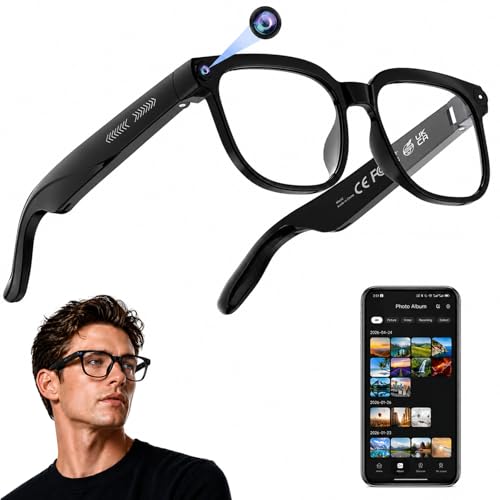
AI Smart Glasses with Camera, 4K HD Video & Photo Capture, Real-Time Translation, Recording Glasses with AI Assistant, Open-Ear Audio, Object Recognition, Bluetooth, for Travel (Transparent Lens)
【AI Real-Time Translation & ChatGPT Assistant】AI glasses break language barriers instantly with AI real-time translation. The built-in ChatGPT…
As an affiliate, we earn on qualifying purchases.
As an affiliate, we earn on qualifying purchases.
Expected Rollout and Industry Impact
The firmware update is expected to be deployed in the coming weeks, becoming mandatory for all Meta smart glasses users. Following the update, Meta may also increase efforts to enforce bans on modification services and advertising. Industry observers will watch whether other manufacturers adopt similar tampering detection measures, potentially shaping future standards for wearable privacy features.
Further developments may include legal or regulatory actions, as well as potential updates to hardware or software to enhance tampering detection and user privacy protections.
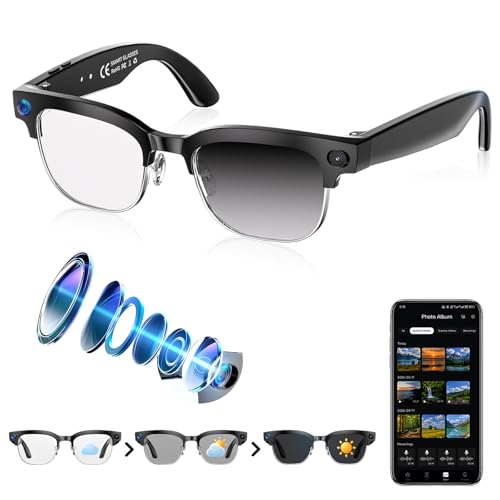
SGUKZF AI Smart Glasses with Camera, 4K EIS Anti-Shake Video & Photo Capture, Real-Time Translation,Open-Ear Bluetooth Audio, Object Recognition, Recording Sunglasses with Photochromic
【4K EIS Anti-Shake Video Recording & Photo Capture】Smart glasses with camera let you capture your world from a…
As an affiliate, we earn on qualifying purchases.
As an affiliate, we earn on qualifying purchases.
Key Questions
Will the firmware update disable the camera permanently?
The update will disable the camera if tampering is detected, but it can be re-enabled if the tampering is corrected, depending on the system’s design.
Can users still modify their glasses after the update?
While the update aims to prevent tampering detection bypasses, technically skilled users may still attempt modifications, though Meta is actively working against such practices.
Does this mean the glasses are now fully tamper-proof?
No, the detection system may not be foolproof against all forms of physical tampering, but it represents a significant step forward in privacy safeguards.
Will Meta take legal action against individuals who modify their glasses?
Meta has indicated it is pursuing legal action against sellers of LED removal services, though specific legal grounds have not been detailed.
How will this update affect existing modified glasses?
The update will retroactively apply, meaning even glasses already modified will have their cameras disabled if tampering is detected.
Source: UploadVR