
TL;DR

Play games on Amazon Luna for your next adventure, included with Prime
- A rotating selection of games, no download needed
- Play on TV, laptop or phone
- Fast, free delivery for your gear, too
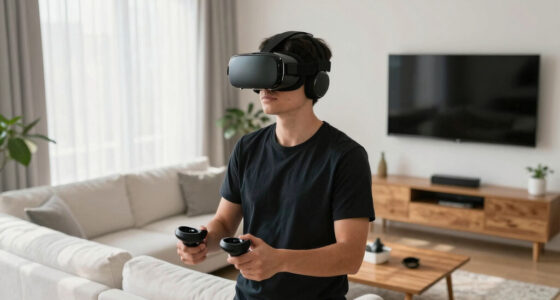
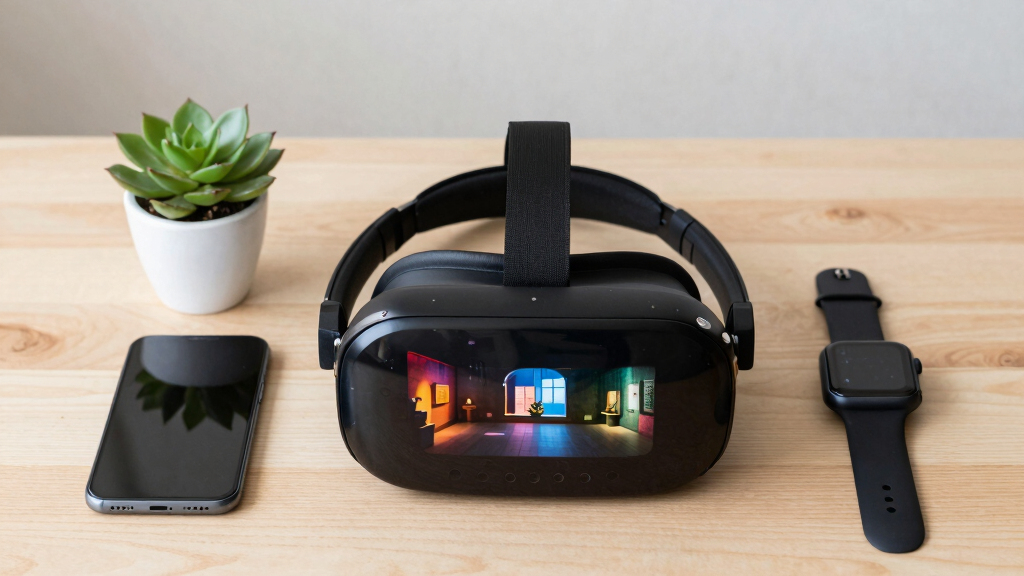
ArtQuest VR has grown into one of the most ambitious virtual museums in VR, adding over 1,400 artworks including sculptures and archaeological artifacts. Developed by university professor Eric Mosinger, it offers an immersive way to explore art beyond traditional museums.
ArtQuest VR has become one of VR’s most ambitious virtual museums after adding two new DLC collections, Sculpture & Decorative Arts and Ancient Art & Archaeology. Developed by Eric Mosinger, a university professor turned virtual museum creator, the platform now features more than 1,400 3D sculptures and artifacts, bringing immersive art exploration to a broad audience. This expansion highlights the platform’s growth and increasing relevance in digital art education and appreciation.
ArtQuest VR was initially built by Eric Mosinger out of frustration after failing to find a comprehensive virtual museum experience on commercial VR platforms. Using Unity and publicly available digitized artwork, Mosinger created a virtual space modeled after the Getty Museum’s Impressionist galleries, focusing on accessibility and detailed art study.
The recent expansion introduces two DLC collections, Sculpture & Decorative Arts and Ancient Art & Archaeology, adding over 1,400 high-quality 3D models of sculptures, archaeological finds, and decorative objects. These models are sourced from major institutions like the Louvre, The Met, the British Museum, and the Pergamon Museum, using digitization projects and photogrammetry collections. Mosinger personally curates each addition, ensuring license compliance and optimal quality for VR viewing.
Unlike paintings, sculptures and artifacts require complex workflows for optimization, including decimating polygon counts to ensure smooth performance on standalone headsets like Quest. Mosinger emphasizes that the models are carefully repaired and evaluated, balancing visual fidelity with VR hardware constraints.
Impact of ArtQuest VR on Art Accessibility and Education
ArtQuest VR represents a significant step toward making art more accessible outside traditional museum visits, especially for audiences unable to physically visit major institutions. The platform allows users to examine artworks closely, study brushstrokes, textures, and details often missed in real-world viewing. Its focus on curating high-quality, legally sourced models enhances the educational value, making art appreciation more immersive and personal.
Furthermore, its development by a non-professional, self-taught creator demonstrates the potential for individual initiatives to contribute meaningfully to digital cultural preservation and education, especially as VR hardware becomes more widespread.
As an affiliate, we earn on qualifying purchases.
Development of Virtual Museums and Art in VR
Virtual museums have existed in various forms for years, but few have achieved the scope and quality of ArtQuest VR. The platform’s growth aligns with broader trends in VR art experiences, including the increasing digitization of museum collections and the rise of accessible VR hardware like Oculus Quest.
Prior efforts, such as Google Arts & Culture’s online collections, laid groundwork but lacked immersive VR applications. Mosinger’s project fills a niche by offering a curated, explorable space that combines high-quality 3D scans with user-friendly interaction, driven by his personal passion and technical self-education.
Recent expansions reflect a broader industry push toward digital cultural engagement, with institutions recognizing VR’s potential to complement physical visits and reach wider audiences.
“A museum is just a cube with JPEGs on the walls. How hard could it be? It turns out that it’s very, very hard.”
— Eric Mosinger
As an affiliate, we earn on qualifying purchases.
Unconfirmed Details About Future Developments
It is not yet clear how ArtQuest VR plans to expand further or integrate with institutional partnerships beyond current collections. The long-term sustainability and funding models for the platform remain undisclosed, and user data on engagement and demographics are not publicly available.
Additionally, the impact of upcoming VR hardware advancements on the platform’s performance and accessibility has not been confirmed.
As an affiliate, we earn on qualifying purchases.
Next Steps in ArtQuest VR’s Growth and Accessibility
Future updates are expected to include additional collections, possibly from more institutions, and enhanced features such as guided tours or educational modules. Mosinger has indicated interest in expanding the platform’s reach, including potential collaborations with museums and educational institutions.
Further development may also focus on improving interaction and navigation within the virtual space, making it more intuitive for a wider audience. Watching how the platform evolves will be key for understanding its role in digital art education.
As an affiliate, we earn on qualifying purchases.
Key Questions
How does ArtQuest VR source its artworks?
Artworks are sourced from digitization projects and publicly available scans from institutions like the Louvre, The Met, and the British Museum, often using photogrammetry and open licenses.
Can anyone access ArtQuest VR?
Yes, ArtQuest VR is available on Oculus Quest and other VR platforms, designed for standalone headsets, making it accessible to a broad audience.
What makes ArtQuest VR different from other virtual museums?
Its extensive curated collections, focus on detailed 3D sculptures and artifacts, and the fact that it is developed by an individual rather than a large institution set it apart.
Are there plans to include more collections or features?
While specific future plans have not been officially announced, Mosinger has expressed interest in expanding collections and adding interactive features to enhance learning and exploration.
Source: UploadVR
Halloween Picks
halloween
As an affiliate, we earn on qualifying purchases.