

TL;DR
Meta is implementing a subscription model and strict usage caps on its AI-powered smart glasses. The move limits features like Conversation Focus, despite these running locally on-device, raising questions about the company’s motives and impact on users.
Meta is imposing a subscription-based paywall and strict usage limits on its smart glasses’ AI features, marking a significant shift in how the company monetizes its hardware. This development affects features like Conversation Focus, which were previously available without restrictions, and raises questions about the company’s approach to hardware and AI integration.
Meta announced that users will soon face a $19.99 monthly subscription to access certain AI features on its smart glasses, notably Conversation Focus. The company states that most users will not need to subscribe, as core features remain free, but power users seeking extended access will be required to pay. The Conversation Focus feature, which amplifies voices in noisy environments, is entirely on-device and does not use Meta’s servers, making the imposition of a usage cap unusual.
Specifically, Meta will limit Conversation Focus to three hours per month for free users, with premium subscribers receiving up to 15 hours. This cap is enforced despite the feature’s on-device operation, which does not inherently require internet connectivity, as confirmed by independent testing and company descriptions.
Meta has not provided detailed explanations for the move but suggests the subscription is aimed at power users who want expanded access and support. The company also hinted that additional features could be added to the subscription in the future, though it maintains that core functionalities will remain free.
Implications for User Experience and Company Strategy
This change signals a shift in Meta’s approach to monetizing its hardware, potentially setting a precedent for other tech companies to restrict device capabilities through subscriptions. It raises concerns about the long-term usability of smart glasses when essential features are behind paywalls, especially since some features, like Conversation Focus, are designed to operate entirely on-device and do not require ongoing server interaction. The move also reflects Meta’s broader AI investment pressures, including recent layoffs and cost-cutting measures.

MQIEIUN AI Smart Glasses with Voice Assistant & 1080P Camera, Bluetooth Audio & Real-Time Translator; with Anti-Shake Video, Magnetic Charging, Interchangeable Lens, Hands-Free Calling & Music
- AI Voice Assistant & Translator: Supports 20+ languages with voice commands
- 1080P Camera & Anti-Shake: Capture smooth videos and photos with privacy indicator
- Wireless Bluetooth Calling & Music: Hands-free calls and open-ear music playback
As an affiliate, we earn on qualifying purchases.
As an affiliate, we earn on qualifying purchases.
Meta’s Push Toward Monetizing AI on Hardware
Meta has been heavily investing in AI-powered hardware, including its smart glasses, which incorporate features like voice amplification, translation, and more. Last year, Meta introduced Conversation Focus, emphasizing on-device processing that does not rely on internet connectivity. Despite this, the company’s recent announcement of usage caps and subscriptions suggests a new revenue strategy amid financial pressures, including layoffs and hardware price reductions. Previously, Meta attempted to embed facial recognition in its glasses, which was quietly removed, indicating ongoing adjustments in its AI and hardware policies.
“Most people will use Conversation Focus without hitting the monthly limit. The subscription is for power users who want expanded access and additional benefits like premium device support.”
— Meta spokesperson Tyler Yee
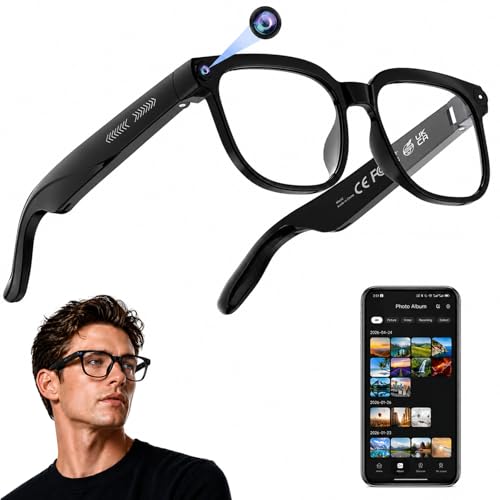
AI Smart Glasses with Camera, 4K HD Video & Photo Capture, Real-Time Translation, Recording Glasses with AI Assistant, Open-Ear Audio, Object Recognition, Bluetooth, for Travel (Transparent Lens)
- AI Real-Time Translation: Instant language translation with ChatGPT support
- 4K Video & Photo Capture: High-definition recording and photography from first-person view
- Open-Ear Audio & Calls: Bluetooth music and hands-free calls with open-ear design
As an affiliate, we earn on qualifying purchases.
As an affiliate, we earn on qualifying purchases.
Unclear Impact on Overall Device Functionality
It is not yet clear whether other AI features or hardware functionalities will also be restricted or introduced behind subscriptions in the future. Meta has not provided detailed plans beyond Conversation Focus and premium support, and the long-term implications for user experience remain uncertain, especially if additional features are added to the paid tier.

Glasses Screwdriver & Screw Repair Kit for Ray-Ban Meta Smart Eyeglass
- All-in-One Repair Kit: Includes screws, screwdriver, bits, and storage
- Magnetic Lock Bits: Ensures slip-free work with magnetic bits
- Anti-Loosen Thread Lock: Pre-applied adhesive prevents screw loosening
As an affiliate, we earn on qualifying purchases.
As an affiliate, we earn on qualifying purchases.
Next Steps for Meta and User Adoption
Meta is expected to roll out the subscription and usage caps in the coming months. Users and industry observers will be monitoring how the company balances monetization with device usability, and whether other features will follow the same model. Meta’s response to user feedback and potential adjustments will influence the future of its smart glasses ecosystem.

AI Smart Glasses, Bluetooth Glasses for Men & Women, Open-Ear Music & Calls
- Open-Ear Audio Design: Clear, natural sound for daily use
- Touch Control Buttons: Easy music and call management
- AI App with Recording: Supports translation, chat, and voice notes
As an affiliate, we earn on qualifying purchases.
As an affiliate, we earn on qualifying purchases.
Key Questions
Will core features of Meta’s smart glasses remain free?
Yes, Meta states that most core AI features, such as voice assistant and live translation, will remain available without a subscription.
Why is Meta imposing usage limits on Conversation Focus?
Meta has not explicitly explained this, but it appears to be part of their new monetization strategy, despite the feature running entirely on-device without server costs.
Could other features be locked behind a subscription?
Meta hinted that additional features might be added to the paid tier, but has not confirmed specific plans beyond Conversation Focus and premium support.
Is the Conversation Focus feature dependent on internet connection?
No, it operates on-device using the glasses’ chips, and independent testing confirms it works offline.
How might this change affect the future of smart glasses?
If Meta continues to restrict features via subscriptions, it could influence how other hardware makers approach monetization and user access, potentially limiting device functionality for non-paying users.
Source: The Verge