TL;DR
Immersed CEO Renji Bijo states that virtual reality is rapidly expanding beyond gaming into workplace applications. This shift could redefine remote work, collaboration, and training, making VR a key business tool.
Immersed CEO Renji Bijo has emphasized that virtual reality is increasingly being adopted for workplace use, moving beyond its traditional association with gaming. His remarks highlight a growing trend where VR is becoming a vital tool for remote collaboration, training, and productivity, which could significantly impact how businesses operate in the future.
According to Renji Bijo, the CEO of Immersed, virtual reality technology is experiencing a notable shift from entertainment to enterprise applications. He states that companies are now integrating VR for remote work environments, enabling employees to collaborate in virtual spaces that mimic physical offices. This trend is supported by an increase in VR hardware adoption and software tailored for business needs, such as virtual meetings, training simulations, and project collaboration tools.
Bijo highlights that the COVID-19 pandemic accelerated the adoption of remote work solutions, and VR offers a more immersive alternative to traditional video conferencing. He notes that VR can improve engagement and productivity by creating more interactive and realistic work environments. While gaming remains a significant market for VR, Bijo asserts that the enterprise sector is now a major growth driver for the technology.
Industry analysts corroborate this view, pointing to a rising number of companies investing in VR hardware and developing enterprise-specific applications. However, it is still early days, and widespread adoption faces hurdles such as hardware costs, user comfort, and content development challenges.
Implications of VR Adoption in Business Operations
This development indicates that virtual reality could fundamentally alter workplace dynamics, enabling remote teams to work more effectively and collaboratively. For businesses, adopting VR tools can lead to cost savings, improved training outcomes, and enhanced employee engagement. It also suggests a shift in how companies view remote work infrastructure, moving toward immersive digital environments that simulate physical presence.
For employees, this could mean more interactive and engaging work experiences, potentially reducing feelings of isolation in remote roles. However, it also raises questions about accessibility, hardware costs, and the need for new skills to operate VR systems effectively.
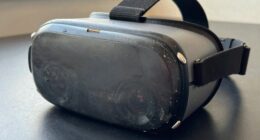
VR headset for enterprise remote work
As an affiliate, we earn on qualifying purchases.
As an affiliate, we earn on qualifying purchases.
Growth of VR in Business Settings
While VR has traditionally been linked to gaming and entertainment, recent years have seen increased interest from the corporate sector. Companies like Meta, HTC, and Immersed have developed enterprise-focused VR platforms. The COVID-19 pandemic significantly accelerated this trend, as organizations sought alternatives to physical meetings. Industry reports show a rising investment in VR hardware and software for remote work, training, and design collaboration. Despite these advances, widespread integration remains limited by technical, financial, and user experience challenges.
“VR is no longer just for gaming; it’s becoming a critical tool for remote collaboration and training in the workplace.”
— Renji Bijo, CEO of Immersed
VR collaboration tools for business
As an affiliate, we earn on qualifying purchases.
As an affiliate, we earn on qualifying purchases.
Uncertainties Surrounding VR’s Workplace Integration
It is not yet clear how quickly VR will become mainstream in everyday business operations. Adoption rates may vary across industries, and technical hurdles such as hardware affordability, user comfort, and content development remain significant. Additionally, the long-term impact on productivity and employee well-being is still being studied, with limited empirical data available.
VR training simulation headset
As an affiliate, we earn on qualifying purchases.
As an affiliate, we earn on qualifying purchases.
Future Developments in Workplace VR Adoption
Industry experts anticipate increased investment in enterprise VR platforms and hardware, with more companies experimenting with virtual collaboration tools. Upcoming product launches and software updates aim to address current limitations, potentially accelerating adoption. Monitoring enterprise pilot programs and user feedback will be key to understanding how VR integration evolves over the next 12-24 months.
VR meeting room software
As an affiliate, we earn on qualifying purchases.
As an affiliate, we earn on qualifying purchases.
Key Questions
How is VR currently being used in workplaces?
VR is primarily used for remote collaboration, training simulations, virtual meetings, and design collaboration in various industries.
What are the main challenges to adopting VR in business?
High hardware costs, user comfort issues, content development, and limited widespread infrastructure are key barriers.
Will VR replace traditional office work?
It is unlikely to replace physical offices entirely but will serve as a complementary tool, especially for remote work and specialized training.
How soon can businesses expect widespread VR adoption?
Widespread adoption may take several years, depending on technological advancements, cost reductions, and organizational willingness to integrate VR solutions.
Source: rss