
TL;DR
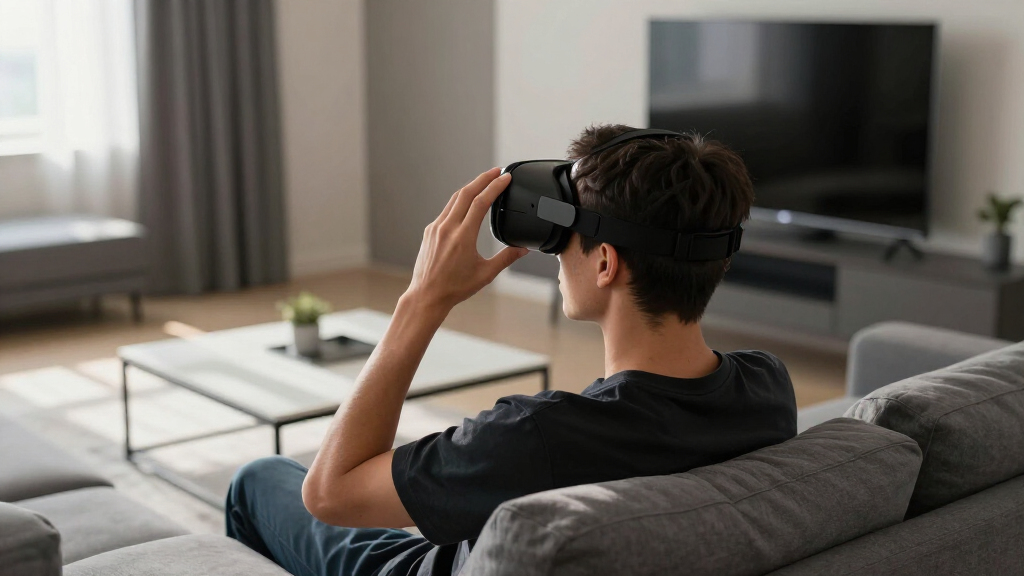
A VR headset is a device that creates immersive virtual experiences by displaying 3D visuals and tracking head movements. This article explains what VR headsets are, how they function, and their significance for gaming, training, and more.
A VR headset is a device that allows users to experience immersive virtual environments by displaying 3D visuals and tracking head movements. To explore more about VR headsets and their capabilities, visit our VR headset stands guide.
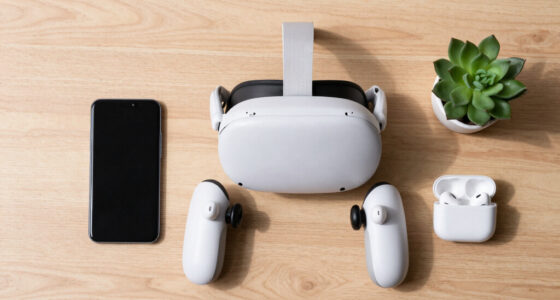
VR headsets typically consist of a display screen or screens, sensors for tracking head and eye movements, and sometimes external cameras or controllers. They create a stereoscopic 3D experience by presenting slightly different images to each eye, simulating depth perception.
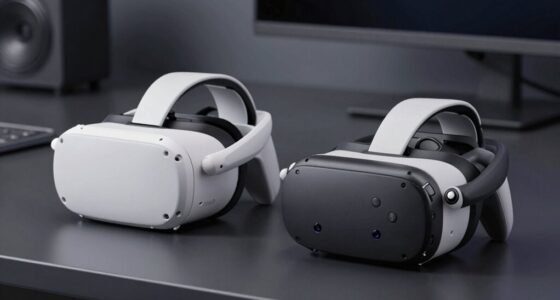
Popular models include Oculus Quest, HTC Vive, and PlayStation VR, each offering varying levels of immersion and hardware capabilities. You can learn more about VR headset features to choose the right device. The devices connect to computers, gaming consoles, or operate independently, depending on the model.
VR headsets are used in multiple sectors beyond gaming, including training simulations for pilots and surgeons, virtual tourism, and remote collaboration. For more insights, see our guide on VR accessories to enhance your experience. Their adoption continues to grow as technology advances, making them more accessible and affordable.
Impact of VR Headsets on Technology and Society
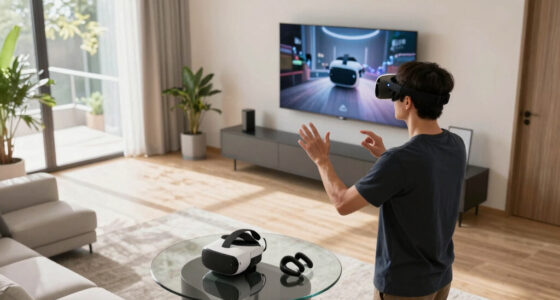
VR headsets are transforming how people interact with digital content, offering immersive experiences that were previously impossible. They are influencing industries such as gaming, healthcare, education, and enterprise training. As the technology becomes more affordable and widespread, it could reshape communication, entertainment, and work environments, making understanding VR headsets vital for consumers and policymakers.
As an affiliate, we earn on qualifying purchases.
Development and Adoption of Virtual Reality Devices
The concept of virtual reality dates back to the 1960s, but recent advancements in display technology, sensors, and processing power have accelerated the development of consumer VR headsets. Companies like Oculus, HTC, Sony, and Valve have launched popular devices over the past decade, fueling a growing market.
Initially targeted at gaming enthusiasts, VR headsets are now expanding into professional sectors. The global VR market was valued at over $3 billion in 2022 and is expected to grow significantly, driven by improvements in hardware and content availability.
“The core of VR headsets lies in their ability to track head movements and create a convincing 3D environment, which is essential for immersion.”
— Jane Smith, VR hardware developer

Meta Quest 3S 128GB | VR Without Wires — Gorilla Tag Cardboard Monkenaut Bundle — Amazon Exclusive —Access to 100+ Games with a 3-Month Trial of Meta Horizon+ Included
- Exclusive Gorilla Tag Bundle: Includes Gorilla Space Suit and 2000 Shiny Rocks
- Wireless VR Experience: Untethered gaming and exploration
- Enhanced Graphics Power: Double processing for faster load times
As an affiliate, we earn on qualifying purchases.
As an affiliate, we earn on qualifying purchases.
Unanswered Questions About VR Headset Capabilities and Future
While the basic components of VR headsets are well-understood, questions remain about long-term comfort, potential health effects, and the full extent of their societal impact. Additionally, the pace of technological innovation means new features and models are continually emerging, making it difficult to predict the future landscape of VR hardware.
As an affiliate, we earn on qualifying purchases.
Upcoming Developments in VR Hardware and Content
Manufacturers are expected to release newer, lighter, and more comfortable VR headsets with higher resolution displays and wider fields of view. Content libraries are expanding, including more realistic simulations and social VR experiences. Industry experts anticipate VR becoming more integrated into everyday life, with ongoing research into reducing motion sickness and improving user comfort.

Face Cushion Pad for Meta Quest 2 VR Facial Interface Replacement PU Leather Foam for Oculus Quest 2 Vr Cover
- Enhanced Comfort and Fit: Provides a more comfortable Oculus Quest 2 experience
- Premium Material Quality: Made with durable, soft PU leather foam
- Better Air Circulation: L-Shaped vents improve airflow and cooling
As an affiliate, we earn on qualifying purchases.
As an affiliate, we earn on qualifying purchases.
Key Questions
What are the main components of a VR headset?
Most VR headsets include a display (or displays), sensors for tracking head and eye movements, and sometimes external cameras or controllers for interaction.
How do VR headsets create a sense of immersion?
They display stereoscopic 3D images that change with head movements, combined with spatial audio and motion tracking, to simulate a realistic environment.
Are VR headsets safe to use for long periods?
While generally safe, prolonged use can cause discomfort or motion sickness for some users. Advances are being made to improve comfort and reduce adverse effects.
What industries are using VR headsets beyond gaming?
VR is used in healthcare, education, military training, architecture, and remote collaboration, among others.
When will more affordable VR headsets become available?
Many manufacturers are expected to release more budget-friendly models in the coming years as technology advances and production costs decrease.
Source: rss