
TL;DR

Play games on Amazon Luna for your next adventure, included with Prime
- A rotating selection of games, no download needed
- Play on TV, laptop or phone
- Fast, free delivery for your gear, too
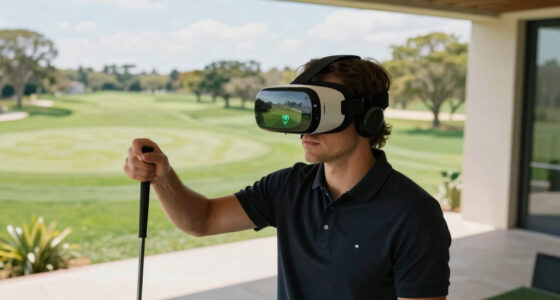
Several Toronto nightlife venues are prohibiting smart glasses and cameras on dance floors to address privacy concerns. The move reflects a broader effort to safeguard patrons from unwanted surveillance and data collection.
Toronto nightlife venues are increasingly banning smart glasses and cameras on dance floors to address rising privacy concerns among patrons. The restrictions aim to prevent surveillance and data collection during nightlife activities, marking a significant shift in how venues approach guest privacy and security.
Multiple venues across Toronto have announced policies prohibiting the use of smart glasses, wearable devices, and cameras on dance floors. This move follows concerns over the potential for these devices to record, stream, or transmit footage without consent. Venue operators say the restrictions are designed to protect guests’ privacy and create a safer environment for all attendees.
According to several venue managers, the bans are part of a broader effort to regulate emerging technologies that could be used for surveillance or data collection. These policies are being implemented amid increasing public awareness of privacy issues related to wearable tech and mobile devices.
While specific venues have not disclosed all details of their policies, some have explicitly stated that any device capable of recording or transmitting audio or video is prohibited on the dance floor. Staff are being trained to enforce these rules, with some venues installing signage and conducting checks at entry points.
No Smart Glasses, No Cameras: Toronto Venues Rethink Privacy On The Dance Floor
Multiple Toronto nightlife venues are prohibiting smart glasses, wearables, and cameras on dance floors — a decisive response to rising concerns over covert recording, live streaming, and data collection without consent.
“Any device capable of recording or transmitting audio or video is prohibited on the dance floor.”
— Stated venue policy, multiple Toronto venuesWhy Dance Floors Are Going Device-Free
Smart glasses and wearables can record high-quality video and audio discreetly — and transmit it instantly over the internet. After 2023 reports of covert dance-floor recording, Toronto venues began formalizing restrictions to protect patrons from surveillance and data misuse.
Prevent Unauthorized Recording
Restricting devices that can record or stream without consent protects patrons from misuse of their images and data during nightlife activities.
Create a Safer Environment
Operators say the rules are designed to foster comfort and safety — especially as covert recording incidents have raised alarms in other cities.
A Local First
Toronto’s bans are among the first concrete local steps to regulate wearable tech in nightlife, aligning with reevaluation trends in other cities.
How The Bans Work In Practice
Venue managers are building enforcement into the entry experience, from signage to staff training — with policies expected to be formalized and possibly expanded in the coming months.
Policy Posted
Signage installed at entry points stating the recording-device prohibition.
Entry Checks
Staff conduct checks at the door for smart glasses, wearables, and cameras.
Floor Enforcement
Trained staff monitor the dance floor and respond to violations in real time.
Formalization
Policies formalized in coming months; possible expansion to other devices.
What Patrons Are Asking
| Question | Answer | Status |
|---|---|---|
| Are all Toronto venues banning devices? | Most are implementing bans, but policies are not uniform — some formal, others still considering. | ~ Mixed |
| Can patrons record with phones? | Many venues restrict all recording devices, including smartphones used for video or audio capture. | ✗ Restricted |
| Are the bans legally settled? | Debates are ongoing. Venues can enforce privacy policies, but outright bans may raise personal-rights questions. | ~ Debated |
| Will nightlife experiences suffer? | Venues aim to balance privacy with entertainment; most believe the policies foster a safer environment. | ✓ Safer |
| Could this spread to other cities? | Possibly — Toronto’s approach could influence other cities and sectors as surveillance awareness grows. | ✓ Likely |
Open Questions & Ripple Effects
The scope of enforcement remains uncertain — penalties are unspecified at many venues, and legal experts are still weighing the implications of banning personal devices. Industry groups may soon develop shared privacy standards.
Implications for Privacy in Toronto Nightlife
The bans reflect a growing concern over privacy rights in public spaces, especially as wearable technology becomes more prevalent. By restricting smart glasses and cameras, Toronto venues aim to prevent unauthorized recording and protect patrons from potential misuse of their images and data. This development signals a possible shift toward more privacy-conscious policies in nightlife environments, influencing industry standards and customer expectations.
For patrons, these policies may enhance feelings of safety and comfort, especially as incidents of covert recording or streaming have raised alarms elsewhere. For technology companies and device manufacturers, the restrictions could prompt reconsideration of device features and privacy safeguards.
Products Worth Considering
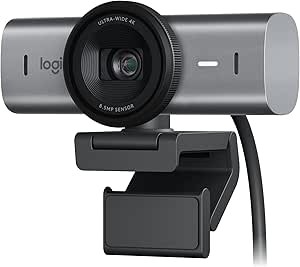
Logitech MX Brio Ultra HD 4K Webcam, Graphite

Apple MacBook Air 13-inch with M5 chip, 16GB memory, 1TB SSD, and 12MP Center Stage camera (Midnight)

DJI Osmo Mobile 8 3-Axis Phone Gimbal Stabilizer
As an affiliate, we earn on qualifying purchases.
Growing Privacy Concerns and Technology Use in Nightlife
Over recent years, the use of wearable devices like smart glasses has increased in public spaces, including entertainment venues. These devices can record high-quality video and audio discreetly, raising privacy issues. In 2023, reports of individuals using such devices to record dance floors or private moments sparked debates about consent and surveillance.
Toronto’s move to ban these devices aligns with broader trends seen in other cities, where venues and event organizers are reevaluating policies to address privacy risks. The concern is not only about recording but also about the potential for data transmission and misuse, especially with devices connected to the internet.
While some tech advocates argue that wearable devices can enhance experiences, critics emphasize the need for safeguards to prevent privacy violations. The Toronto bans are among the first concrete steps taken locally to regulate the use of such devices in nightlife settings.
Unclear Scope and Enforcement of New Policies
It remains unclear exactly how widespread the bans will become across Toronto or other cities, and whether enforcement will be consistent. Some venues have yet to specify penalties for violations, and the legal implications of banning personal recording devices are still being discussed. Additionally, the extent to which patrons will be informed or involved in the enforcement process is uncertain.
Next Steps in Privacy Policy Implementation
Venues are expected to formalize their policies in the coming months, possibly expanding bans to other types of recording devices. Industry groups may also develop guidelines or standards for privacy in nightlife settings. Monitoring of enforcement effectiveness and potential legal challenges will likely follow, shaping future regulations.
Key Questions
Are all Toronto venues banning smart glasses and cameras?
Most venues are implementing bans, but the policies are not yet uniform. Some venues have formal policies, while others are still considering their approach.
Can patrons use their phones to record on the dance floor?
Many venues are restricting all recording devices, including smartphones, especially if they are used for video or audio capture during dance events.
What are the legal implications of banning personal recording devices?
Legal debates are ongoing. While venues have the right to enforce privacy policies, outright bans may raise questions about personal rights, which are still being examined by legal experts.
Will these bans affect the nightlife experience?
Venues aim to balance privacy with entertainment, and many believe these policies will foster a safer environment, though some patrons may feel restrictions limit their ability to capture memories.
Could this lead to broader privacy regulations in public spaces?
It is possible. The Toronto policies could influence other cities and sectors to adopt similar privacy-focused measures, especially as awareness of surveillance issues grows.
Source: local