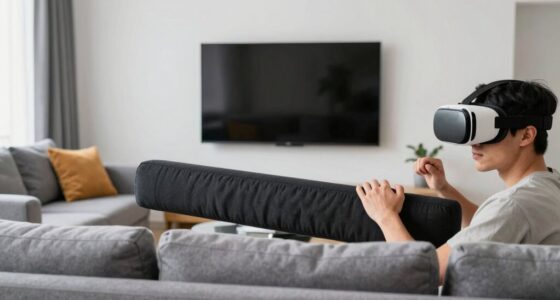
To protect your headset from sunlight lens burn, always store it in cool, shaded areas away from direct sunlight. Use UV-resistant cases, screen protectors, or sunshades when outdoors to diffuse light and block UV rays. Avoid leaving your headset in hot vehicles or exposed environments. Properly maintaining and shielding your device can prevent damage and extend its lifespan. Keep going to discover more effective tips for keeping your headset safe from sunlight.

Play games on Amazon Luna for your next adventure, included with Prime
- A rotating selection of games, no download needed
- Play on TV, laptop or phone
- Fast, free delivery for your gear, too
Key Takeaways
- Store headsets in cool, shaded areas to prevent UV exposure and lens damage.
- Use UV-resistant protective cases, screen protectors, or visors during outdoor use.
- Avoid direct sunlight, especially in hot environments like vehicles or outdoor settings.
- Regularly clean lenses with soft microfiber cloths to maintain clarity and prevent scratches.
- Attach foldable shades or polarized filters to reduce glare and UV damage during outdoor sessions.
As an affiliate, we earn on qualifying purchases.
Understanding the Causes of Sunlight Damage to VR Headsets
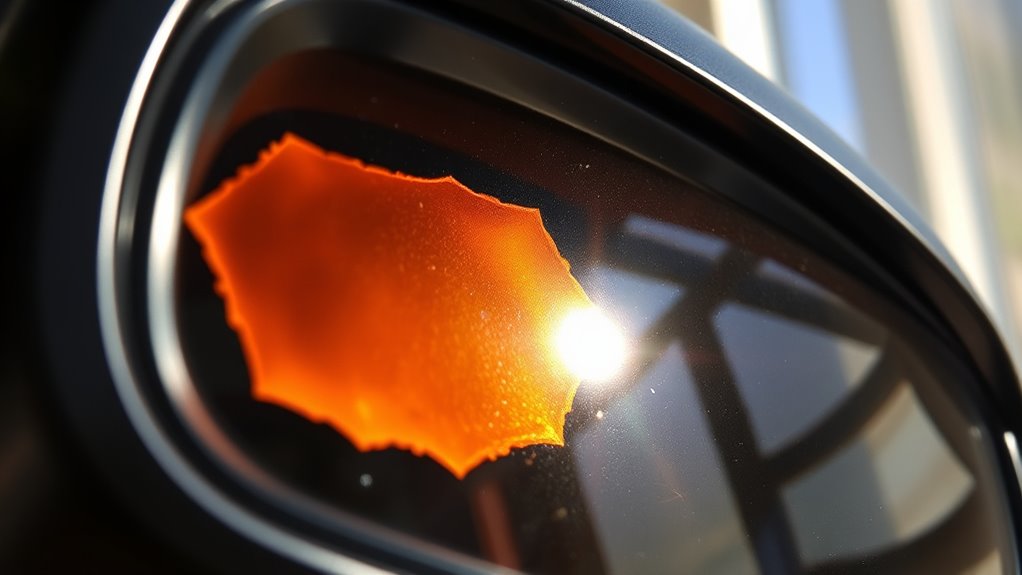
Sunlight can cause significant damage to VR headset lenses because the intense focus of UV and visible light can burn or warp the lens material. When you leave your headset exposed to direct sunlight, the lenses act like tiny magnifying glasses, concentrating sunlight onto the internal surfaces. Over time, this focused light can cause the lens material to discolor, develop burn marks, or warp, impairing image clarity. UV rays are especially harmful, breaking down the lens coatings and plastic components. Even brief exposure can accelerate deterioration, reducing your headset’s lifespan. Understanding UV damage helps you recognize the importance of proper storage and handling. Proper storage practices can prevent accidental exposure and extend the life of your headset. Additionally, energy-efficient design in modern VR headsets can help mitigate some risks by incorporating protective coatings and materials. Properly handling and maintenance are essential to avoid inadvertent damage. Avoid leaving your VR headset in sunny spots or exposed to direct sunlight to prevent irreversible damage. To further protect your device, consider using protective accessories like lens covers or cases that shield against sunlight when not in use.
As an affiliate, we earn on qualifying purchases.
Recognizing the Signs of Lens Burn and Screen Degradation
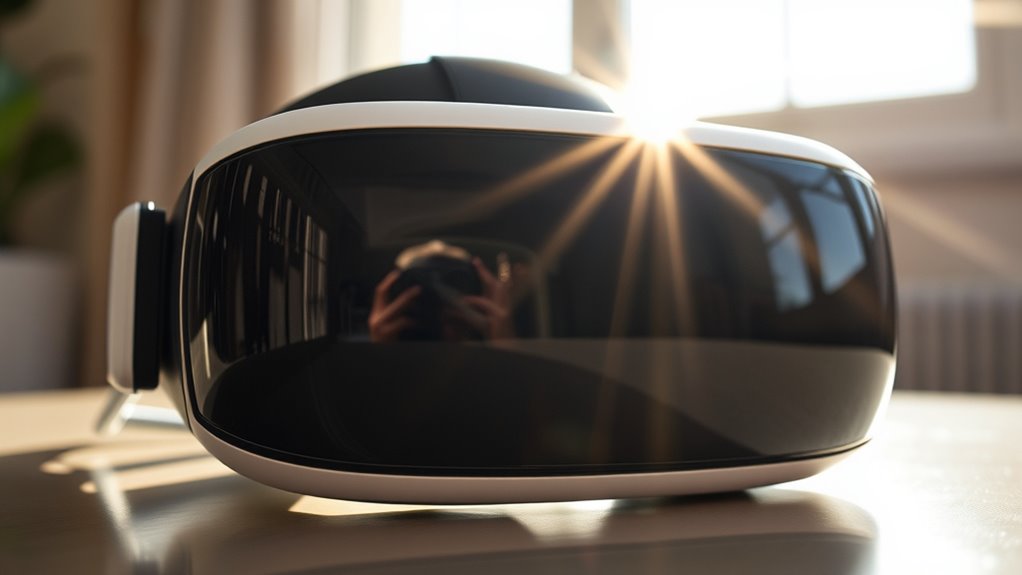
When your VR headset’s lenses or display start showing unusual signs, it’s a clear indication that damage may have occurred from sunlight exposure. You might notice the following:
- Faint, discolored spots or patches that won’t wipe away, resembling sunspots on the screen.
- Blurred or distorted images, making it hard to focus or see clearly through the lenses.
- Persistent glare or light streaks that seem out of place, even in dark scenes or when the headset is off.
These signs suggest lens burn or screen degradation, which diminish visual clarity and can worsen over time. Recognizing these early prevents further damage and helps you decide when to seek repairs or replacements. Stay vigilant to protect your headset’s longevity.
foldable sunshade for VR headset
As an affiliate, we earn on qualifying purchases.
As an affiliate, we earn on qualifying purchases.
Why Bright Sunlight Poses a Risk to Your VR Equipment
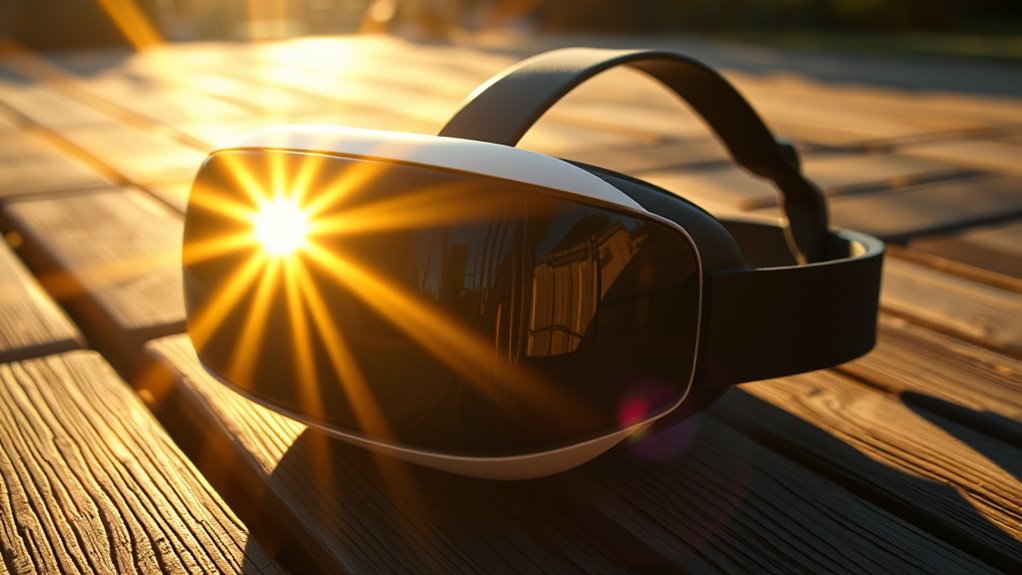
Bright sunlight can cause damage to your VR lens surface, leading to scratches or burns that are hard to see at first. When the lenses are exposed to intense light, their clarity can become impaired, making it harder to enjoy your experience. Protecting your equipment from direct sunlight is essential to avoid these costly issues.
Lens Surface Damage
Exposing your VR lenses to intense sunlight can cause surface damage that affects your viewing experience. Sunlight’s rays can lead to micro-scratches, clouding, and discoloration of the lens surface. Over time, these damages weaken the lens’s protective coating, making it more vulnerable to further deterioration. Imagine these effects as: 1. Fine scratches resembling a spiderweb, scattering light and reducing clarity. 2. Cloudy patches that dull colors and obscure details. 3. Discolored spots that distort the natural hues and contrast. Additionally, proper maintenance helps prevent these issues and extends the lifespan of your equipment. Regular cleaning and proper storage are essential parts of preventive care to keep your lenses in optimal condition. Implementing protective measures such as using lens covers or storing your headset in shaded areas can significantly reduce exposure risks. To further minimize potential damage, always keep your VR device away from direct sunlight and bright reflective surfaces. These surface damages not only diminish visual quality but can also cause permanent harm, making your VR sessions less immersive and more frustrating. Proper lens care practices are vital to avoid cumulative damage and ensure your device remains in top condition. Protecting your lenses from direct sunlight is essential to maintain their longevity and peak performance.
Visual Clarity Impairment
Intense sunlight can markedly impair your VR headset’s visual clarity, making it difficult to see details clearly. Bright light reflects off the lens surface and internal components, causing glare and distracting halos. This reduces contrast and obscures important visual cues, hampering your immersive experience. When sunlight hits your headset, it can wash out the display, making colors appear faded or distorted. Over time, prolonged exposure to direct sunlight can also cause the lens material to degrade, further worsening clarity. As a result, your ability to navigate virtual environments becomes compromised, increasing the risk of accidents or disorientation. To maintain sharp visuals, it’s essential to protect your headset from direct sunlight and avoid leaving it in bright environments for extended periods.
As an affiliate, we earn on qualifying purchases.
Best Practices for Using Headsets Outdoors Safely

To keep your headset safe outdoors, make sure to shield it from direct sunlight to prevent damage. Choose sun-resistant gear that can withstand exposure and avoid unnecessary risks. Additionally, store your headset properly when not in use to maintain its longevity and performance.
Shield Headsets From Sun
When using headsets outdoors, protecting them from direct sunlight is essential to prevent damage and ensure clear audio quality. Sunlight can cause lens burn and degrade headset components over time. To shield your gear effectively:
- Use a dedicated carrying case or pouch that blocks sunlight when not in use.
- Keep your headsets in shaded areas, like under a hat or umbrella, when taking breaks.
- Avoid leaving your headsets on dashboards or other exposed surfaces where sunlight can intensify.
- Regularly inspect your headsets for signs of heat-related wear and tear, and follow manufacturer maintenance guidelines to prolong their lifespan.
These simple steps help prevent overheating, damage, and lens burns caused by direct sun exposure. By actively shielding your headset from sunlight, you extend its lifespan and maintain excellent sound quality during outdoor use.
Choose Sun-Resistant Gear
Choosing sun-resistant gear is essential for protecting your headsets during outdoor use. Opt for gear made from UV-resistant materials like specialized fabrics or coatings that deflect harmful rays. Look for headbands, caps, or visors with built-in sun protection. Proper gear can prevent lens discoloration and material degradation caused by prolonged sun exposure. Using gear with UV-protective coatings can also mitigate damage from ultraviolet rays. Ensuring your gear includes safe backup systems can further enhance protection during outdoor activities. Additionally, selecting gear with durable, weather-resistant materials helps maintain its protective qualities over time.
Store Headsets Properly
Storing your headsets properly is essential for guaranteeing their longevity and performance outdoors. When you’re not using them, take steps to protect them from sunlight, dust, and moisture. First, keep your headsets in a cool, dry place away from direct sunlight to prevent heat damage. Second, store them in a protective case or pouch to shield against dust and accidental drops. Third, avoid leaving them in hot vehicles or exposed outdoor environments where temperature fluctuations can harm internal components. Additionally, proper storage techniques can help maintain the headset’s original condition and ensure consistent performance over time. Implementing environmental factor protection can help safeguard against humidity and temperature extremes that can degrade sensitive parts. Protecting against UV radiation damage is particularly important for headsets with lenses or displays exposed outdoors. Proper storage also involves avoiding exposure to environmental factors like humidity and temperature extremes that can degrade sensitive parts. Implementing protection from environmental factors is crucial for preserving the integrity of the headset’s lens and other sensitive parts. Proper storage not only prolongs your headset’s life but also ensures ideal performance whenever you need it. Protect your investment by making storage a priority.
Effective Physical Barriers to Shield Your Device From Sunlight

To effectively shield your device from sunlight, physical barriers like screen covers, matte finishes, and specialized filters can make a significant difference. A high-quality screen protector reduces glare and blocks UV rays, preventing sunlight from directly hitting the lenses. Matte finishes on your headset’s surface can diffuse light, minimizing reflections that contribute to lens burn. Additionally, using specialized filters designed for VR headsets can further cut down on harmful UV and visible light exposure. These barriers are simple, cost-effective solutions that help preserve your device’s lenses over time. Proper application guarantees they stay clear and effective, giving you peace of mind during outdoor or bright indoor use. Combining these physical barriers with careful positioning maximizes protection against sunlight-induced damage.
Choosing the Right Environment for Extended VR Sessions

Selecting an appropriate environment is crucial for safe and comfortable extended VR sessions. You want a space that minimizes sunlight exposure and distractions. First, choose a room with blackout curtains or blinds to block out direct sunlight, preventing lens burn risks. Second, guarantee the area has consistent lighting that isn’t harsh or flickering, which can strain your eyes. Third, set up your play area away from windows and reflective surfaces that can bounce sunlight onto your headset. A controlled environment reduces glare and keeps your device cool, avoiding overheating. Keep in mind that a well-lit but sun-free space helps you stay focused and comfortable, making your VR experience safer and more immersive without risking damage from sunlight.
Maintenance Tips to Preserve Your Headset’s Display Quality
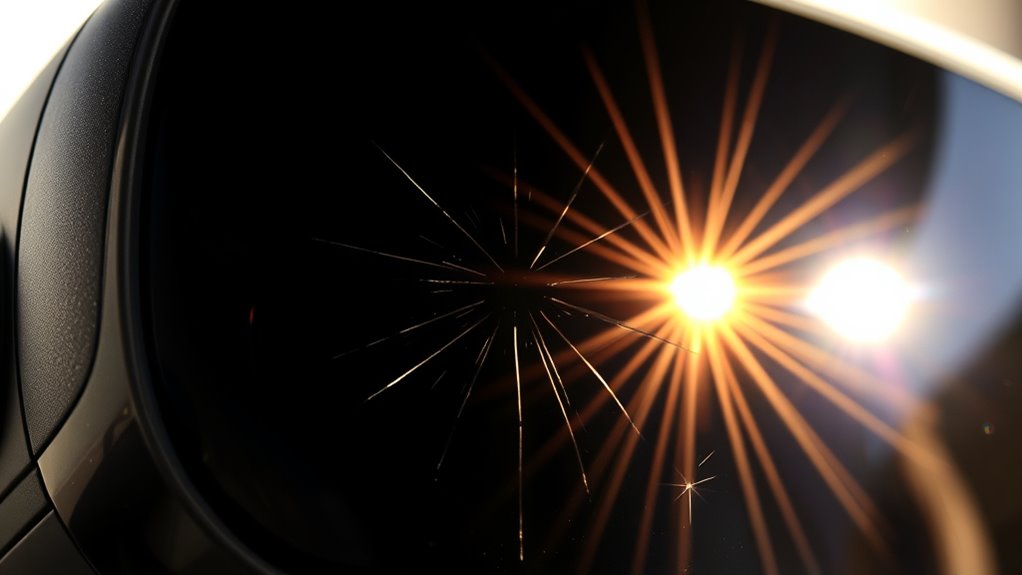
Regularly cleaning your headset’s display is essential for maintaining ideal image clarity and preventing damage. Use a soft, microfiber cloth to gently wipe the screen, avoiding harsh chemicals or abrasive materials that could scratch or degrade the surface. Keep your hands clean before touching the display to prevent smudges and oils from accumulating. When necessary, lightly dampen the cloth with water or a manufacturer-approved screen cleaner, never apply liquids directly to the screen. Regularly inspect the display for dust, fingerprints, or smudges, and clean promptly. Storing your headset in a cool, dry place when not in use also helps prevent dirt buildup and exposure to sunlight, which can cause long-term damage. Proper maintenance guarantees your display remains clear and protected from potential sun-related harm.
Innovative Accessories and Solutions for Sunlight Protection

Are you tired of glare and sun damage affecting your headset’s display? Luckily, innovative accessories can help. First, consider a high-quality anti-glare screen protector that minimizes reflections and protects against UV rays. Second, attach a foldable sunshade or visor that clips onto your headset, blocking direct sunlight during outdoor use. Third, invest in tinted or polarized lens filters designed specifically for headsets, reducing glare while maintaining clarity. These solutions are lightweight, easy to install, and portable, so you can enjoy your headset outdoors without worry. Implementing outdoor-ready gear ensures your device stays protected from sunlight damage and glare, enhancing your experience and prolonging its lifespan. Combining these accessories ensures your device stays protected from sunlight damage and glare, enhancing your experience and prolonging its lifespan. With the right gear, you can freely use your headset in bright conditions without compromising display quality.
Frequently Asked Questions
Can Sunlight Damage VR Headsets Through Windows Indoors?
Yes, sunlight can damage your VR headset through windows indoors. When sunlight streams through glass, it can focus or intensify, potentially causing heat buildup or lens damage over time. To protect your headset, avoid placing it near windows with direct sunlight, use window coverings, or position your headset away from sunlit areas. Taking these precautions helps prevent lens burns and extends the lifespan of your VR equipment.
Are Certain Headset Models More Resistant to Sunlight Damage?
Yes, some headset models are more resistant to sunlight damage. Look for models with UV-resistant lenses or protective coatings, as they help prevent sunlight from causing lens burn or damage. Brands like Oculus and HTC often incorporate these features, but always check the specifications. To stay safe, avoid exposing your headset to direct sunlight, especially through windows, regardless of its resistance level, and use protective covers if needed.
How Long Does It Take for Lens Burn to Develop?
Lens burn can develop in as little as a few hours to several days, depending on sunlight intensity, exposure duration, and lens material. You might notice discoloration, fogging, or permanent damage, which signal lens burn is setting in. To prevent this, regularly check your headset, limit direct sunlight exposure, and use protective covers or anti-UV coatings. Staying vigilant guarantees your headset stays clear and functional longer.
Is There a Way to Repair Existing Lens Burn or Screen Damage?
You can’t repair existing lens burn or screen damage on your headset. Once the damage occurs, it’s permanent. Your best option is to replace the affected lens or screen to restore clarity. Prevent future issues by avoiding prolonged exposure to direct sunlight and using protective covers or filters. Regularly check your device for signs of damage and handle it carefully to prolong its lifespan.
Do VR Headset Warranties Cover Sunlight-Related Damage?
Most VR headset warranties don’t cover sunlight-related damage, since it’s usually considered user-inflicted or accidental damage. Imagine your headset’s lens getting scorched like paper left in the sun—warranty providers see that as preventable. To protect your investment, avoid direct sunlight, use lens covers, and store your headset properly. Check your warranty details, but generally, sunlight damage isn’t included, so prevention is your best bet.
Conclusion
To keep your headset shining bright for years to come, think of sunlight as a gentle whisper rather than a blazing spotlight. By shielding your device with thoughtful barriers and choosing shaded sanctuaries, you can prevent tiny sunbeams from etching unintended artwork onto your lenses. With a little care and awareness, your VR experience remains vivid and pristine, allowing you to explore virtual worlds without the worry of accidental sunlit masterpieces.
Fall Picks
fall essentials
As an affiliate, we earn on qualifying purchases.