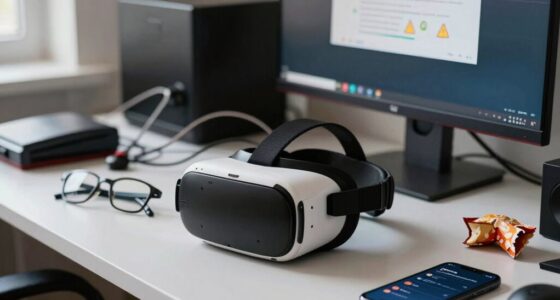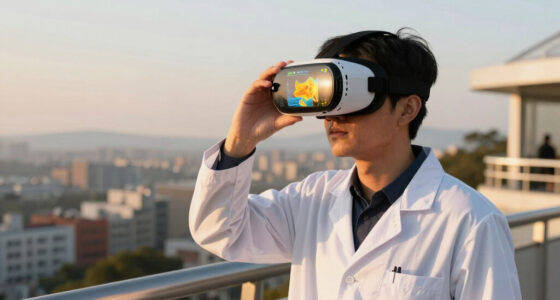

TL;DR
Smart glasses are increasingly used in New Zealand workplaces, raising privacy risks. Authorities warn of potential data breaches and surveillance concerns, but details remain unclear.
New Zealand workplaces are experiencing a surge in the use of smart glasses, prompting privacy concerns from authorities who warn of potential data security and surveillance risks. The warnings come amid increasing adoption of wearable technology in various industries, raising questions about employee privacy and data protection.
Recent reports indicate that several companies across New Zealand have begun integrating smart glasses into their daily operations, particularly in sectors such as manufacturing, logistics, and healthcare. These devices, which can record video, capture audio, and transmit data in real time, are valued for their ability to improve productivity and safety.
However, privacy authorities have raised alarms about the potential misuse of the technology. An official from the Privacy Commission in New Zealand stated that smart glasses could lead to unauthorized data collection and surveillance, potentially infringing on employee rights. The authorities have issued guidance urging companies to implement strict data handling protocols and ensure transparency with staff about how their data is collected and used.
While some companies claim that they are using smart glasses responsibly, there is limited regulation specifically addressing their deployment. Experts warn that without clear legal frameworks, workers may be subject to covert monitoring, and sensitive information could be inadvertently exposed or misused.
Implications of Smart Glasses for Workplace Privacy in NZ
This development matters because it highlights a growing challenge for privacy regulation in the era of wearable technology. As more companies adopt smart glasses, the risk of data breaches, covert surveillance, and employee privacy violations increases. This situation underscores the need for clear legal standards and corporate policies to protect workers’ rights and ensure responsible use of such devices.
Failure to address these concerns could lead to legal disputes, reputational damage for companies, and erosion of trust between employees and employers. Additionally, it raises broader questions about the balance between technological innovation and privacy safeguards in the workplace.
AR smart glasses with privacy features
As an affiliate, we earn on qualifying purchases.
As an affiliate, we earn on qualifying purchases.
Growth of Wearable Tech and Privacy Concerns in NZ
Over the past year, the adoption of wearable technology like smart glasses has accelerated across various industries in New Zealand. Companies cite benefits such as enhanced efficiency, real-time data access, and improved safety protocols. However, this trend has coincided with increased scrutiny from privacy advocates and government agencies.
In 2023, New Zealand’s Privacy Commissioner issued guidelines on the responsible use of workplace surveillance technologies, but specific regulations for smart glasses remain underdeveloped. Internationally, similar concerns have led to legislative debates and calls for stricter controls on wearable data collection, setting a precedent that New Zealand may follow.
Prior incidents involving covert surveillance or data leaks from wearable devices have heightened awareness of these risks, prompting authorities to issue warnings and recommend caution as adoption continues to grow.
workplace smart glasses for safety
As an affiliate, we earn on qualifying purchases.
As an affiliate, we earn on qualifying purchases.
Unclear Scope of Regulations and Enforcement
It is not yet clear what specific legal frameworks will be introduced or how enforcement will be carried out in New Zealand regarding smart glasses. Authorities have issued warnings but have not finalized detailed regulations. The extent to which companies are monitoring employee activities and how data breaches might be addressed remains uncertain.
Additionally, the potential for covert surveillance and misuse of data by employers or third parties is still being investigated, and there is limited public information on how widespread the adoption is or how many companies are actively deploying these devices.
As an affiliate, we earn on qualifying purchases.
Next Steps for Regulation and Industry Practices
Regulatory bodies in New Zealand are expected to develop more detailed guidelines and possibly introduce legislation to address wearable technology privacy concerns. Companies are advised to review their policies, enhance transparency, and implement strict data security measures. Monitoring of the situation will likely increase as authorities and privacy advocates evaluate the impact of smart glasses in workplaces.
Workers and unions may push for clearer protections, and legal challenges could arise if privacy violations are identified. The government might also conduct audits or investigations into companies using this technology to ensure compliance.
enterprise smart glasses for employees
As an affiliate, we earn on qualifying purchases.
As an affiliate, we earn on qualifying purchases.
Key Questions
Are smart glasses currently regulated in New Zealand?
Currently, there are no specific regulations targeting smart glasses in New Zealand. Authorities have issued general guidance on workplace privacy, but detailed legal frameworks are still under development.
What are the main privacy risks associated with smart glasses?
The primary risks include covert data collection, unauthorized surveillance, and potential exposure of sensitive information. Without proper regulation, these devices can be used to monitor employees excessively or capture private conversations.
How are companies responding to these privacy concerns?
Many companies claim they are using smart glasses responsibly, with some implementing internal policies. However, there is limited transparency, and experts warn that without regulation, misuse remains a significant risk.
What should employees do if they suspect privacy violations?
Employees are encouraged to report concerns to their HR or privacy officers. If violations occur, they may seek advice from the Privacy Commission or legal counsel to understand their rights and options.
Will new laws be introduced soon?
Regulatory bodies are expected to develop more specific guidelines or legislation in the coming months, but no definitive timeline has been announced yet.
Source: rss