TL;DR

Play games on Amazon Luna for your next adventure, included with Prime
- A rotating selection of games, no download needed
- Play on TV, laptop or phone
- Fast, free delivery for your gear, too
Captain James A. Lovell Federal Health Care Center is adopting virtual reality technology to treat post-traumatic stress disorder in veterans. The VR system was donated by nonprofit SoldierStrong, marking a new approach in mental health care. The program aims to enhance treatment outcomes but details on implementation are still emerging.
Captain James A. Lovell Federal Health Care Center will begin using virtual reality therapy to treat post-traumatic stress disorder in veterans. The program is supported by a donation from nonprofit SoldierStrong, marking a significant step in mental health care innovation at the facility.
The Veterans Affairs hospital announced that it will incorporate virtual reality (VR) technology into its PTSD treatment protocols. The VR system was donated by SoldierStrong, a nonprofit organization dedicated to supporting veterans’ health. The initiative aims to provide immersive therapy sessions designed to help veterans confront and manage traumatic memories more effectively. Learn more about VR treatments at the VA.
While specific details about the rollout timeline are still being finalized, hospital officials confirmed that the program will be integrated into existing mental health services within the next few months. The VR therapy will be administered by trained clinicians and will complement traditional treatments such as psychotherapy and medication.
According to a hospital spokesperson, the VR system offers a controlled, customizable environment that can simulate various scenarios to aid in exposure therapy, a common method used in PTSD treatment. The donation from SoldierStrong includes hardware, software, and training support for staff.
Implications of VR Therapy for Veteran Mental Health
This development represents a potential advancement in PTSD treatment by leveraging immersive technology to improve patient engagement and outcomes. Virtual reality has shown promise in clinical trials for reducing symptoms of PTSD, and its adoption at the Lovell Center could serve as a model for other VA facilities.
For veterans suffering from PTSD, this approach could mean more effective and accessible care, especially for those who have not responded well to traditional therapies. The donation also underscores the growing role of nonprofit organizations in supporting innovative healthcare solutions for military personnel.
As an affiliate, we earn on qualifying purchases.
Recent Trends in PTSD Treatment and VR Integration
In recent years, virtual reality therapy has gained traction as a supplementary treatment for PTSD, with several studies indicating its effectiveness in reducing symptoms. The VA has been exploring VR applications, but widespread adoption remains limited due to costs and logistical challenges.
SoldierStrong has been active in donating VR systems to various veteran programs, emphasizing the potential of technology to transform mental health care. The Lovell Center’s initiative aligns with broader efforts to incorporate digital tools into clinical practice, especially amid increased awareness of mental health needs among veterans.
“The integration of virtual reality into our PTSD treatment protocols offers a promising new avenue for helping our veterans confront and process traumatic memories more effectively.”
— Dr. Lisa Carter, Director of Mental Health Services at Lovell Center
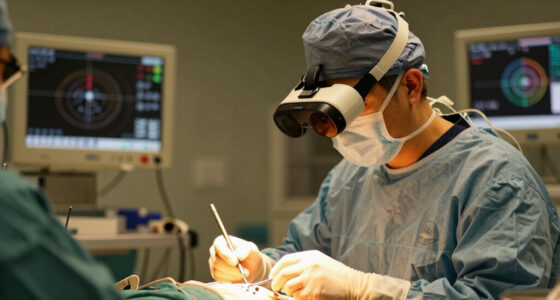
VR system for mental health treatment
As an affiliate, we earn on qualifying purchases.
As an affiliate, we earn on qualifying purchases.
Details of Implementation and Patient Access Still Unclear
It is not yet confirmed exactly when the VR therapy program will be fully operational or how many veterans will initially have access. Specifics about training, session frequency, and integration with existing treatments are still being finalized. Additionally, data on the program’s effectiveness at Lovell Center is pending, and long-term outcomes remain to be seen.
As an affiliate, we earn on qualifying purchases.
Next Steps for VR PTSD Program Rollout and Evaluation
The hospital plans to finalize the implementation timeline within the next few weeks, followed by staff training and pilot sessions. Data collection on patient outcomes will begin shortly thereafter, with results expected to inform future expansion. The hospital also intends to monitor and publish the program’s effectiveness over time.
As an affiliate, we earn on qualifying purchases.
Key Questions
How will the VR therapy be administered to veterans?
VR therapy will be delivered by trained clinicians during scheduled sessions, using immersive simulations tailored to individual trauma histories as part of a comprehensive treatment plan.
Is this VR program available at other VA facilities?
While VR therapy is being explored at other facilities, the Lovell Center’s program is among the first to be supported by a dedicated donation from SoldierStrong, and it is not yet clear how widely it will be adopted.
What are the expected benefits of VR therapy for PTSD?
VR therapy aims to enhance engagement, provide controlled exposure to traumatic memories, and improve symptom reduction compared to traditional methods alone.
Will veterans need special equipment or travel for VR sessions?
Sessions will be conducted on-site at the Lovell Center, with no current plans for remote VR therapy, but this could be considered in future developments.
How will the effectiveness of the VR program be measured?
The hospital plans to track patient symptom reduction and overall mental health outcomes through standardized assessments over the course of treatment and follow-up.
Source: rss
Halloween Picks
halloween
As an affiliate, we earn on qualifying purchases.