
TL;DR
The Captain James A. Lovell Federal Health Care Center is launching a new virtual reality program to treat post-traumatic stress disorder (PTSD). The initiative is supported by a donation from the nonprofit SoldierStrong. This marks a significant step in integrating innovative tech into veteran mental health care.
The Captain James A. Lovell Federal Health Care Center has announced it will begin using virtual reality therapy to treat post-traumatic stress disorder (PTSD) among veterans. The initiative is supported by a donation from the nonprofit organization SoldierStrong, which aims to enhance mental health treatments through innovative technology. This development introduces a new approach to veteran care and reflects ongoing efforts to incorporate advanced tools into clinical practice.
According to the center, the virtual reality program will be implemented starting in the upcoming months, providing immersive therapy sessions designed to help veterans confront and process traumatic memories in a controlled environment. The donation from SoldierStrong covers the cost of VR equipment and training for clinical staff. The program is expected to serve hundreds of veterans annually, with the goal of improving treatment outcomes for those suffering from PTSD.
Officials from the Department of Veterans Affairs confirmed that this is the first time the Captain James A. Lovell Federal Health Care Center is deploying VR technology specifically for PTSD therapy. The initiative aligns with broader VA efforts to modernize mental health services and adopt evidence-based, innovative treatments.
Potential Impact on Veteran PTSD Treatment
This initiative could significantly improve access to effective PTSD therapy for veterans, offering immersive and personalized treatment options. Virtual reality has shown promise in clinical studies for reducing PTSD symptoms, and its adoption at the Lovell Center may serve as a model for other VA facilities nationwide. The partnership with SoldierStrong highlights the role of nonprofits in supporting technological advancements in healthcare, especially for underserved populations like veterans.
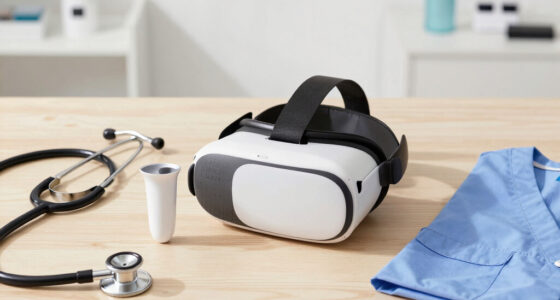
virtual reality therapy headset for PTSD
As an affiliate, we earn on qualifying purchases.
As an affiliate, we earn on qualifying purchases.
Veteran Mental Health Care and Technological Advances
PTSD remains a prevalent issue among military veterans, with the VA reporting hundreds of thousands of cases annually. Traditional treatments include therapy and medication, but many veterans seek alternative approaches due to limitations and stigma. Recent years have seen increased interest in virtual reality as a therapeutic tool, with multiple pilot programs demonstrating its potential to reduce symptoms and improve engagement. The Lovell Center’s move to formalize VR therapy marks a key step in mainstreaming this technology within veteran health services.
SoldierStrong, a nonprofit dedicated to supporting wounded veterans, has previously funded various technological initiatives, including mobility devices and training programs. Their donation to the Lovell Center underscores a growing partnership between nonprofits and government agencies to enhance veteran care through innovative solutions.
“Virtual reality offers a controlled, immersive environment that can help veterans confront traumatic memories safely and effectively.”
— Dr. Jane Smith, Director of Veteran Mental Health at Lovell Center
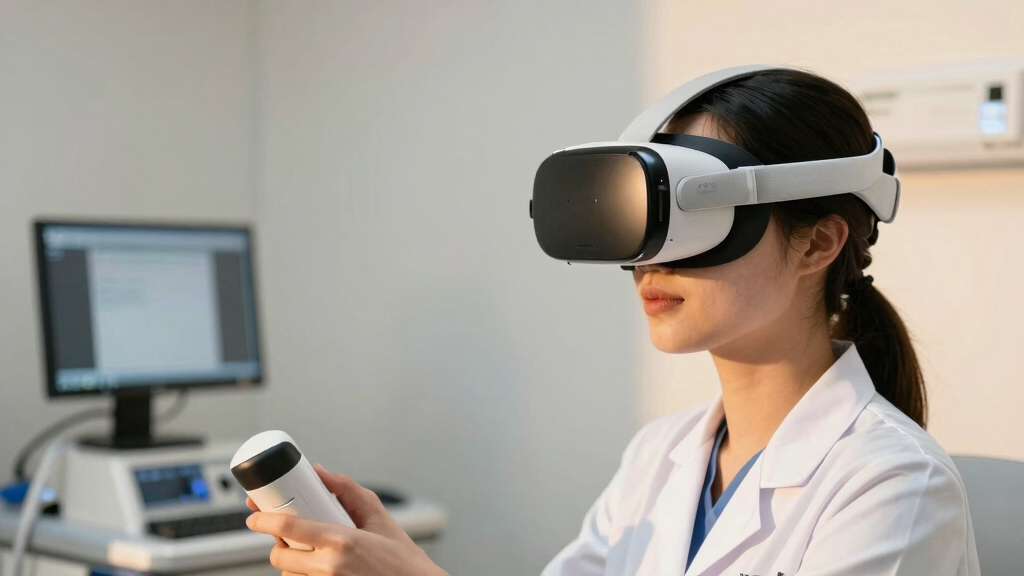
VR equipment for mental health treatment
As an affiliate, we earn on qualifying purchases.
As an affiliate, we earn on qualifying purchases.
Uncertainties About Program Implementation and Effectiveness
It is not yet clear how quickly the VR program will be integrated into routine care or how many veterans will participate initially. The long-term effectiveness of VR therapy for PTSD at this specific facility remains to be evaluated through ongoing clinical assessments. Additionally, questions remain about the scalability of this approach across other VA centers and how it will be received by veterans and clinicians alike.
As an affiliate, we earn on qualifying purchases.
Next Steps for VR PTSD Therapy at Lovell Center
The Lovell Center plans to begin pilot sessions within the next three months, with ongoing monitoring of patient outcomes. Data collected from these initial trials will inform broader implementation strategies. The VA also intends to publish findings on the efficacy of VR therapy in veteran populations and explore potential partnerships to expand such programs nationwide.
virtual reality headset for veterans
As an affiliate, we earn on qualifying purchases.
As an affiliate, we earn on qualifying purchases.
Key Questions
How does virtual reality therapy work for PTSD?
VR therapy involves immersive simulations that recreate traumatic scenarios in a controlled setting, helping veterans process their experiences with guidance from clinicians.
Who funded the VR program at the Lovell Center?
The program is supported by a donation from the nonprofit SoldierStrong, which provided the VR equipment and training resources.
When will veterans start receiving VR therapy at Lovell?
The center plans to begin pilot sessions within the next three months, with broader availability expected later this year.
Is VR therapy proven effective for PTSD?
While early studies are promising, the long-term effectiveness of VR for PTSD is still being evaluated. The Lovell Center’s program will contribute to this growing body of evidence.
Will this program be available at other VA facilities?
It is currently uncertain, but successful outcomes at Lovell could lead to expansion across other VA centers nationwide.
Source: rss