
TL;DR
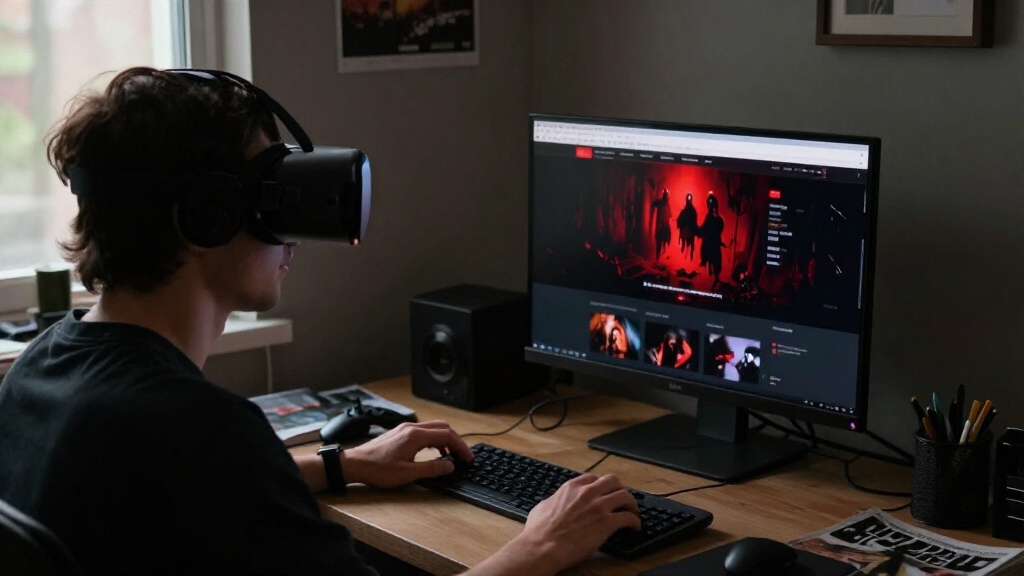
A Reddit user shared Hearthly, a website made with Claude that begins as a conventional smart-home marketing page and becomes increasingly unsettling as visitors scroll. The creator said the ending “actually freaked me out a bit”; the account is a single user’s report, not evidence of a wider trend.
A Reddit user has shared Hearthly, a mock smart-home marketing website built with Claude that gradually turns into a horror experience as visitors scroll. The project shows how a short creative prompt can produce a web page designed around changing visuals and atmosphere, though the available account documents one example rather than a broader trend.

Play games on Amazon Luna for your next adventure, included with Prime
- A rotating selection of games, no download needed
- Play on TV, laptop or phone
- Fast, free delivery for your gear, too
The creator, posting as borii0066 on the ClaudeAI subreddit, described the result as something that “actually freaked me out a bit in the end” and linked to the site. Hearthly starts by presenting itself as a smart-home product page, then becomes more uncanny as visitors move down the page. XDA Developers reports that familiar elements change into creepier versions, with the unsettling effect building over the course of the scroll.
The prompt asked Claude for a site that would “initially look like a generic marketings website” and grow “more and more uncanny/weird” until it became “outright scary,” like something from a horror movie. The resulting page follows that requested progression: ordinary marketing presentation first, then an increasingly disturbing atmosphere. The creator’s post offers a brief personal reaction, not a formal evaluation of how the site was made or how other viewers responded.
The example is notable for using a familiar web format as the setup for a scare. Instead of presenting horror immediately, Hearthly asks visitors to keep scrolling and notice how the page changes. XDA Developers describes the design as a gradual deterioration of the smart-home presentation, but the available details do not specify the tools, code, or number of revisions involved in producing it.
A smart-home page turns into a slow-burn scare
A Reddit user used Claude to create Hearthly, a mock smart-home site that grows more unsettling as visitors scroll. It is one creative experiment, not evidence of a wider trend.
How the experience unfolds
The horror comes from transforming a familiar product page rather than starting with an obvious scare.
Hearthly first presents itself as a smart-home marketing page.
As visitors scroll, familiar elements become increasingly uncanny.
The progression follows the prompt’s request to end in outright horror.
What the example demonstrates
The project uses a prompt to shape a website’s atmosphere and pacing, not just its subject matter.
- AI-assisted web development can explore visual storytelling.
- A familiar sales-page format becomes part of the scare.
- The account gives no model, code, or revision details.
- Other visitors’ reactions are not reported.
A personal reaction, not a verdict
The creator shared a brief reaction alongside the site and prompt.
A Web Page Built Around Unease
Hearthly illustrates a creative use of AI-assisted web development: a prompt can describe not only what a site is about, but how it should change as someone interacts with it. That gives a creator a way to experiment with pacing and visual storytelling in a format normally associated with product information and sales pitches.
The shift from reassuring smart-home marketing to horror also depends on the contrast between the two. A page that appears familiar can make gradual distortions more unsettling than a design that signals horror from the start. That effect is the project’s central idea, rather than evidence that Claude can reliably produce frightening work for every user or prompt.
The post may inspire others to try similar experiments, as XDA Developers suggests, but no wider trend is established by this single example. Its immediate relevance is more modest: it offers a visible demonstration of how people are using conversational AI to create unusual interactive web concepts, beyond standard landing pages.
Products Worth Considering

EcoFlow DELTA 3 Portable Power Station, 1024Wh, 1800W

Logitech MX Creative Console with 9 Customizable Keys, Graphite

Bose QuietComfort Wireless Bluetooth Noise-Cancelling Headphones, Ice Blue
As an affiliate, we earn on qualifying purchases.
From Marketing Prompt to Horror
Claude is an AI assistant that can help users generate code and other material in response to instructions. XDA Developers notes its programming capabilities as background to the project, but Hearthly is specifically presented as a user-made website prompted through Claude—not as a product or official demonstration released by the AI company.
The user’s instruction sets out a clear sequence: start with a generic marketing site, make it progressively strange, and end with outright horror. Hearthly takes the form of a purported smart-home brand called Hearthly, giving the transformation a plausible starting point. The progression matters: visitors are encouraged to watch the page itself, not just read its text, as its familiar elements change.
In the Reddit post described by XDA, the creator supplied the prompt, a short reaction, and a link. The article does not report a launch announcement, a commercial product, or a campaign by Claude’s developer. The development is therefore a community-shared creative experiment, with the creator’s own reaction and XDA’s description providing the stated account of its effect.
“It actually freaked me out a bit in the end.”
— Reddit user borii0066
What the Post Does Not Establish
The available account does not say which Claude model was used, how much code Claude generated, or whether the creator made substantial edits after generation. It also does not provide technical details about the site’s construction, such as the frameworks, assets, or interactive effects used.
The creator said the result frightened them, but the post as described does not establish how other visitors reacted. There is also no evidence here that similar horror websites are becoming a widespread Claude trend. XDA Developers frames that possibility as a hope, not a confirmed development.
It is not clear whether the site will remain online or be changed after the post. The article provides a link to Hearthly, but no ongoing maintenance, audience figures, or follow-up from the creator is reported.
Whether Other Creators Follow
For now, the reported development is a single community project: a page that uses a familiar smart-home pitch to deliver a gradual horror reveal. Readers can visit the linked site to experience the design, while keeping in mind that the creator’s description is a personal account of its effect.
There is no announced next release, formal Claude feature, or follow-up milestone in the account. Whether other users build similar experiences—and whether those projects develop into a recognizable trend—remains to be seen. Any broader claim will depend on further examples rather than this post alone.
Source: XDA Developers
Key Questions
What is Hearthly?
Hearthly is a mock smart-home marketing website shared by Reddit user borii0066. It begins like a conventional product page and grows more unsettling as visitors scroll.
How was the horror website made?
The creator shared a prompt asking Claude to make a generic marketing site that became increasingly uncanny and ended in outright horror. The available account does not give technical details about the model, code, or edits used.
Did the creator say the site was scary?
Yes. The creator wrote that the result “actually freaked me out a bit in the end.” That is their personal reaction; the account does not report a broader survey of visitors.
Is this evidence of a new Claude trend?
No. It is one shared example. XDA Developers suggests other people may try similar horror websites, but the available reporting does not establish that a wider trend has begun.
Source: XDA Developers