
TL;DR
Listen free for 30 days with Audible
Thousands of audiobooks and originals — cancel anytime.
Start your free trialAs an affiliate, we earn on qualifying purchases.
Consumers are debating whether to buy the HTC Vive or Meta Quest 3 VR headset. This article compares confirmed specifications, features, and considerations to guide their decision.
The choice between the HTC Vive and Meta Quest 3 remains a significant decision for VR enthusiasts, with current information highlighting key differences in hardware, affordability, and ecosystem support. This comparison is based on confirmed specifications and recent updates, aiming to guide potential buyers amid ongoing product developments.
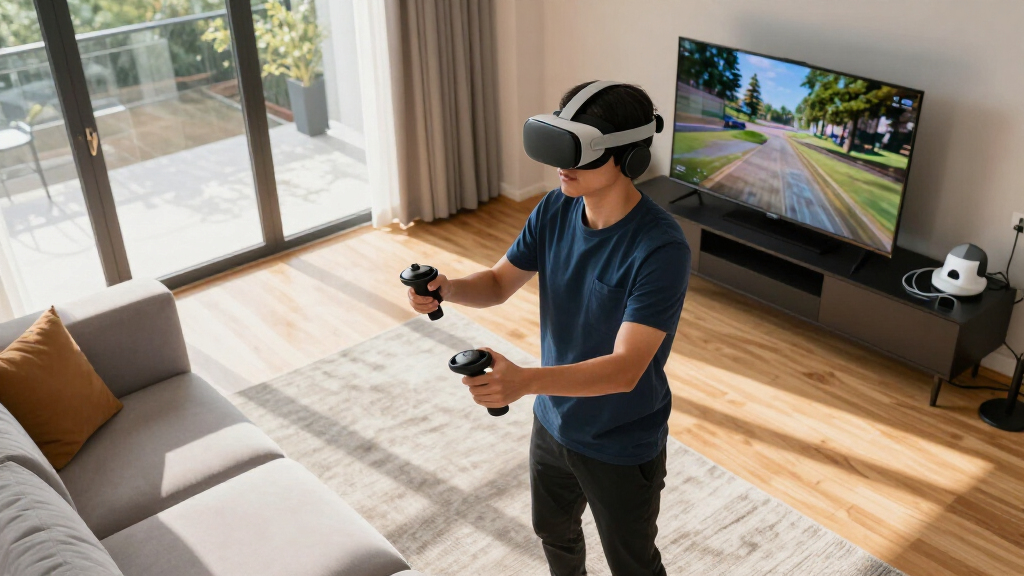
The HTC Vive is a PC-tethered VR headset known for its high-fidelity visuals and precise tracking, with models like the Vive Pro 2 offering a 5K resolution and SteamVR compatibility. It requires a powerful PC and external sensors, which can be a barrier for some users. How Do I Set Up HTC Vive 2016 Model To Gaming Laptop
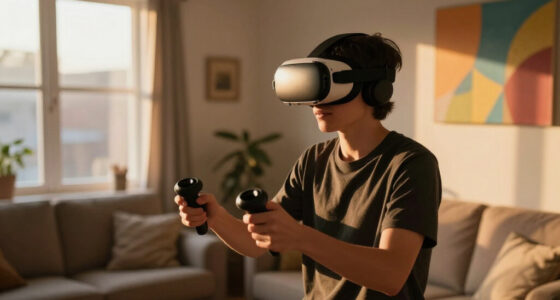
The Quest 3, announced by Meta, is a standalone device with optional PC tethering via Oculus Link. It features a new Snapdragon XR2 Gen 2 chip, improved display resolution, and a more comfortable design. Its standalone capability makes it more accessible for casual users and those new to VR, with a growing library of Meta’s Quest Store titles.
Confirmed details indicate that the Quest 3 is priced lower than high-end Vive models and offers a more portable experience. Is It Worth Getting The Quest 3S For $315, Or Should I Get The Quest 3 For $555? Meanwhile, the Vive’s ecosystem remains favored for professional and high-precision applications, especially in VR development and enterprise use.
VR buyer decision brief · Updated July 2026
HTC Vive or Quest 3?
One prioritizes a dedicated PC VR setup, precision tracking and specialist flexibility. The other combines standalone freedom, mixed reality and optional PC VR in a simpler package. Here is the practical choice.
01 · The split
Two different philosophies of VR
“HTC Vive” covers a broader headset family, while Quest 3 is a specific consumer device. The meaningful comparison is therefore a dedicated Vive-style PC VR system versus Meta’s standalone-first hybrid.
The dedicated room
A PC-centered route built around high-fidelity rendering, SteamVR compatibility and, on relevant models, external lighthouse tracking.
- Best suited to permanent PC VR spaces
- Strong fit for precise tracking and peripherals
- Powerful gaming PC usually required
- More hardware, cabling and setup complexity
The flexible all-rounder
A self-contained headset with Snapdragon XR2 Gen 2 processing, color mixed reality and optional wired or wireless access to PC VR.
- Start playing without a gaming PC
- Portable, compact and quick to set up
- PC VR through Link, Air Link or compatible apps
- Broad consumer library in the Quest ecosystem
02 · Head-to-head
What changes in everyday use?
The headline specifications matter, but setup, software access and intended use usually decide which headset feels better to own.
| Decision factor | HTC Vive / Vive Pro 2 route | Meta Quest 3 | Practical edge |
|---|---|---|---|
| Core operation | PC-tethered on traditional Vive systems | Standalone with optional PC connection | Quest 3 |
| Setup | PC, cabling and potentially base stations | Inside-out tracking with minimal room setup | Quest 3 |
| Tracking | Lighthouse systems excel in specialist, occlusion-heavy setups | Convenient headset-based tracking for mainstream play | Use dependent |
| Visual pipeline | Native PC rendering; Vive Pro 2 offers 5K combined resolution | Standalone rendering or compressed PC streaming | Vive for native PC |
| Mixed reality | Varies by Vive model and configuration | Color passthrough and room-aware MR experiences | Quest 3 |
| Content | Strong SteamVR and professional ecosystem fit | Quest Store plus compatible PC VR libraries | Quest 3 breadth |
| Portability | Designed around a fixed PC VR installation | Self-contained and easy to carry between rooms | Quest 3 |
| Upgrade path | PC parts, tracking hardware and peripherals can evolve separately | Software-led updates; headset hardware is largely fixed | Vive ecosystem |
| Typical total cost | Higher after headset, PC, tracking and accessories | Lower entry barrier; accessories remain optional | Quest 3 |
03 · Decision path
Choose by constraint, not brand
Start with the environment you already have, then work forward to the experience you want. That prevents an attractive specification from becoming an expensive setup mismatch.
Do you own a capable gaming PC?
No PC strongly favors Quest 3. A powerful PC keeps both routes open.
Can you maintain a dedicated VR area?
A permanent room makes external tracking easier to justify.
Convenience or specialist precision?
Quest emphasizes speed and flexibility; Vive emphasizes configuration.
Which software must you run?
Check required stores, PC applications and peripheral compatibility.
New to VR
Pick Quest 3. It removes the PC requirement and offers the shortest route from unboxing to play.
Enthusiast PC gamer
Usually Quest 3, unless native PC video, lighthouse tracking or existing SteamVR hardware is central to the setup.
Developer or enterprise user
Evaluate Vive. Specialist tracking, peripherals and managed PC workflows may outweigh consumer convenience.
The ownership chain
The headset price is only the first link. Your hardware, room, software and accessories combine to determine long-term value.
What buyers should continue to watch
04 · Key questions
Fast answers before you buy
Use these checks to turn the broad comparison into a decision for your own room, budget and software library.
Which is better for gaming?
Quest 3 for most players. It offers accessible standalone play and optional PC VR. Vive remains compelling for dedicated enthusiast setups.
Can a traditional HTC Vive work without a PC?
Typically, no. Classic Vive and Vive Pro systems rely on a compatible gaming PC for rendering and operation.
Can Quest 3 play PC VR games?
Yes. It can connect through a supported USB link or wireless PC streaming and access compatible SteamVR experiences.
Which offers more hardware expansion?
The Vive-style PC ecosystem. PC components, tracking stations and specialist peripherals can be upgraded independently.
Which costs less overall?
Usually Quest 3. It avoids the mandatory cost of a gaming PC and external tracking, though straps and batteries can raise the final spend.
What if I already own Vive base stations?
Staying with compatible SteamVR hardware may make sense. Existing tracking equipment can materially change the value calculation.
The bottom line
Buy Quest 3 for the broadest mix of convenience, portability, mixed reality and PC VR access. Choose a Vive-family system when you have a powerful PC, a dedicated space and a specific need for lighthouse tracking, native PC VR or professional-grade configuration.
Why VR Buyers Need to Weigh These Key Differences
This comparison matters because consumers face a choice between high-end, PC-based VR systems and more versatile standalone devices. The decision impacts not only budget and setup complexity but also the user experience, content availability, and future upgrade paths. For gamers, developers, and enterprise users, understanding these distinctions influences investment and usage plans.As an affiliate, we earn on qualifying purchases.
Recent VR Market Trends and Device Launches
The VR market has seen rapid innovation, with Meta’s Quest 3 aiming to expand accessibility through its standalone design and improved hardware. HTC Vive continues to serve high-end users with its PC-tethered systems, emphasizing graphics fidelity and precision tracking. Recent updates from both companies reflect differing strategies: Meta focusing on mass-market appeal, HTC targeting professional and enthusiast segments.
While the Quest 3 was announced recently, the HTC Vive lineup has seen incremental updates over the years, maintaining a loyal user base. The ongoing development of VR hardware indicates that consumer choices will become more nuanced as new features and price points emerge.
“The Quest 3 offers a compelling balance of affordability and performance, especially for newcomers to VR.”
— an anonymous researcher
As an affiliate, we earn on qualifying purchases.
Unanswered Questions About Long-Term Support and Ecosystem
It is not yet clear how long-term software support and ecosystem updates will favor either platform, especially as Meta shifts focus towards the Quest ecosystem and HTC continues to develop its PC VR offerings. Details on future hardware upgrades and compatibility are still emerging, leaving some buyers uncertain about long-term value.
As an affiliate, we earn on qualifying purchases.
Upcoming Releases and Market Developments to Watch
Potential future updates include new software features, hardware revisions, and price adjustments. Consumers should monitor official announcements from HTC and Meta over the coming months, as these will influence the value and capabilities of each headset. Additionally, new titles and software support will shape the user experience and ecosystem strength.
As an affiliate, we earn on qualifying purchases.
Key Questions
Which VR headset is better for gaming?
The Quest 3 is generally more accessible for casual gaming due to its standalone design and lower cost, while the HTC Vive offers higher fidelity and precision, favored by enthusiasts and developers for more demanding VR experiences.
Can I use the HTC Vive without a PC?
Not typically; the HTC Vive relies on a powerful PC for operation. Some models support external sensors and tethering, but they are not standalone devices.
Is the Quest 3 compatible with PC VR games?
Yes, via Oculus Link or Air Link, the Quest 3 can connect to a PC and access SteamVR and other PC VR titles, expanding its content library.
Which device offers better future upgrade options?
The HTC Vive’s PC-based architecture may allow for more hardware upgrades and compatibility with high-end peripherals, whereas the Quest 3’s standalone design limits hardware modifications but benefits from ongoing software updates.
How do the prices compare?
The Quest 3 is priced lower than high-end Vive models, making it more accessible for most consumers. Exact prices vary depending on configurations and bundles.
Source: r/Vive
Flea & tick season Picks
flea and tick prevention
As an affiliate, we earn on qualifying purchases.