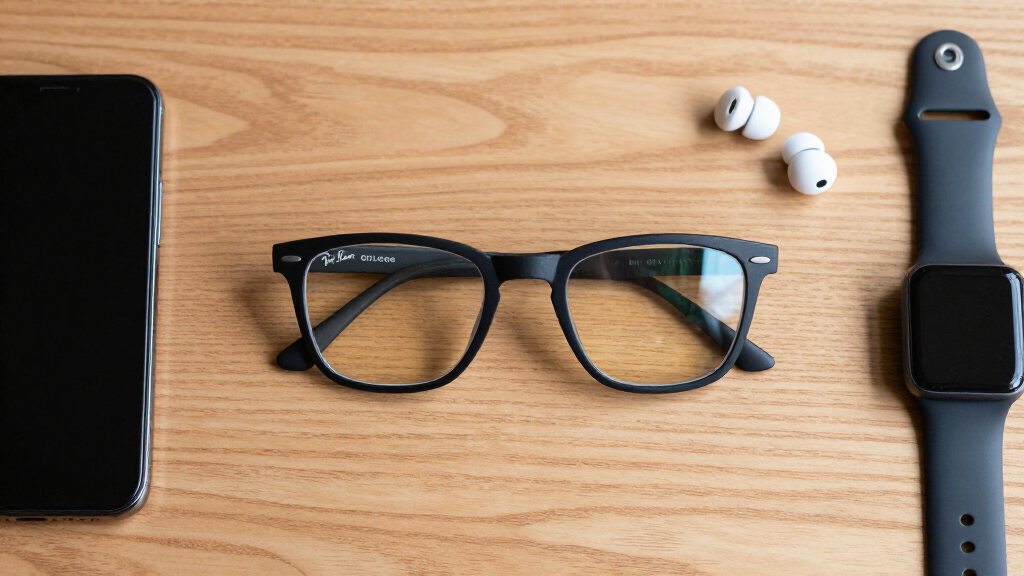

TL;DR

Meta’s Ray-Ban Scriber Optics are considered the most promising smart glasses of 2026, yet users remain wary about their practicality and safety. The device’s future depends on addressing these issues. One way to improve trust is through better privacy protections.

Meta’s Ray-Ban Scriber Optics are emerging as one of the most acclaimed smart glasses of 2026, yet users are hesitant to adopt them widely due to usability and safety concerns. This development matters because it highlights ongoing challenges in consumer acceptance of wearable tech, despite technological advances.

The Ray-Ban Scriber Optics are a product of Meta’s collaboration with Ray-Ban, featuring advanced optics and augmented reality capabilities. They have been praised for their innovative design and potential to revolutionize personal tech use. For more on Meta’s efforts, see Meta’s latest privacy fixes. However, early user feedback indicates significant hurdles, including difficulty in wearing them comfortably and concerns about distraction or accidents while using the glasses in daily life.

Sources indicate that while the glasses are technically impressive, their practical application remains limited. You can learn more about Meta’s recent smart glasses developments here. Some users report that the glasses are bulky and uncomfortable for extended wear, and there are worries about safety, especially when used in environments requiring full attention, such as driving or walking in busy areas. No official safety recalls or bans have been issued, but the concerns are prompting discussions within the tech community about the readiness of such devices for mass adoption.

At a glance
reportWhen: ongoing in 2026
The developmentMeta’s Ray-Ban Scriber Optics, a new line of smart glasses, are gaining attention for their innovative features but also face significant user concerns about usability.
Smart Glasses Need to Get Their Act Together
Wearable Tech Report · 2026

Smart Glasses Need to Get Their Act Together

Meta’s Ray-Ban Scriber Optics may be the most promising smart glasses of 2026—but admiration is colliding with a stubborn question: are people comfortable and safe enough to wear them in real life?

Timing 2026 Limited release or testing phase
Market signal High Interest driven by design and AR potential
Adoption risk Comfort, safety and privacy hurdles
Official action None No reported recalls or bans
01 · Innovation gap

Great technology is not the same as a wearable people trust.

The Scriber Optics illustrate the industry’s central tension: engineering can move faster than social acceptance, ergonomic refinement and safety norms. A credible path to everyday use must solve all three—not simply improve the display.

Capability

Optics earn attention

Advanced AR presentation and a recognizable eyewear silhouette make the concept feel closer to a practical personal device than earlier experiments.

Friction

Comfort breaks the spell

Reported bulk and weight can become difficult during extended wear. A device worn on the face has almost no tolerance for physical irritation.

Trust lever

Privacy must be visible

Clear recording indicators, understandable controls and stronger privacy protections could reduce uncertainty for wearers and bystanders.

02 · Readiness spectrum

Acclaim is strong. Everyday readiness is uneven.

Indicative editorial assessment based on the concerns described in early commentary—not product testing scores or official safety ratings.

AR potential
92
Design appeal
82
Comfort
46
Safety trust
38
Privacy trust
34
Unresolved Ready

“Impressive AR capabilities are not enough if bulk and safety concerns keep the product from becoming an ordinary part of daily life.”

Paraphrased from the supplied anonymous researcher commentary
03 · Reality check

How the proposition holds up outside the demo.

The decisive comparison is not between specifications. It is between what smart glasses promise and what daily use demands from a device positioned directly in the wearer’s field of view.

Dimension What Scriber Optics promise What users need Current signal
Visual computing Advanced AR information in a familiar glasses format Useful information without blocking awareness ✓ Promising
Industrial design A more modern, recognizable silhouette Lightweight, balanced, all-day wearability ~ Mixed
Attention safety Contextual assistance while moving Low distraction around traffic and crowds ✗ Unresolved
Social privacy Hands-free capture and intelligent assistance Obvious consent cues and trustworthy controls ✗ Trust gap
Availability A potential next phase of personal technology Clear pricing, access and support ~ Limited

Assessment reflects the supplied report’s claims and uncertainties as of 2026.

04 · Adoption chain

The route from clever prototype to ordinary eyewear.

Each link depends on the previous one. Better hardware can open the door, but transparent safeguards and accumulated public confidence determine whether the category can stay there.

01Refine

Reduce bulk

Improve weight, balance, heat and fit for extended wear.

02Protect

Design for attention

Limit distracting interactions in traffic and other high-focus settings.

03Explain

Make privacy legible

Give wearers and bystanders unmistakable signals and controls.

04Earn

Build social trust

Turn repeated safe use into wider acceptance and adoption.

05 · What happens next

Meta’s next release needs to answer human questions, not only technical ones.

01

Publish concrete safety guidance

Define when features should be limited or disabled, especially while driving, cycling or crossing busy streets.

02

Show the privacy architecture

Explain recording indicators, data handling, retention and bystander protections in plain language.

03

Prove all-day comfort

Validate fit across head shapes and prescriptions rather than relying on short demonstrations.

06 · Key questions

What remains unresolved.

No official safety recall or ban is cited in the supplied material. The central issue is uncertainty: whether Meta can turn early enthusiasm into a comfortable, responsible and socially acceptable product.

Question 01

Can people buy them now?

The supplied report describes limited release or testing, with wider availability expected later in 2026.

Question 02

What is the main safety concern?

Distraction in situations requiring full attention, including driving and walking through crowded environments.

Question 03

How do they compare with earlier glasses?

The AR display is described as more advanced, but bulk and weight still echo long-running category problems.

Question 04

Will formal standards emerge?

That remains unconfirmed, although growing adoption could intensify calls for industry or regulatory guidance.

Question 05

What is at stake for smart glasses?

If comfort, privacy and safety remain unresolved, consumer hesitation could delay mainstream adoption, slow category growth and invite stricter oversight.

Bottom line

The Scriber Optics may represent the future of personal technology. The anxiety around wearing them shows that the future still needs better manners, clearer safeguards and a lighter frame.

Implications for Consumer Adoption of Wearable Tech

This situation underscores the gap between technological innovation and user readiness in the wearable device market. Despite the high praise for the Scriber Optics’ features, consumer hesitation rooted in comfort and safety issues could slow broader adoption. If these concerns are not addressed, it may impact the future development and acceptance of smart glasses, delaying their integration into everyday life and possibly leading to stricter regulations.
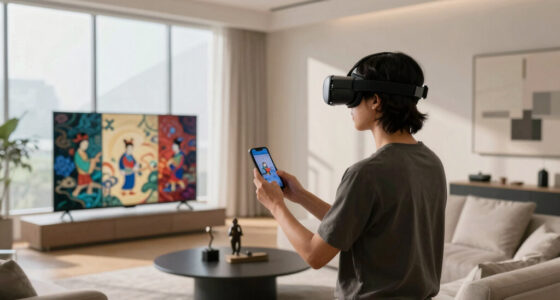
AR Glasses, Smart Glasses with Massive 201 Inch Micro OLED Virtual Theater, 1080P, 3D Movie, 50° FOV, 400 nits Brightness, Support Stream, Game and Work on PC/Android/iOS/Consoles/Cloud

AR Glasses, Smart Glasses with Massive 201 Inch Micro OLED Virtual Theater, 1080P, 3D Movie, 50° FOV, 400 nits Brightness, Support Stream, Game and Work on PC/Android/iOS/Consoles/Cloud

  • Advanced AR Smart Glasses: Lightweight, portable, innovative projection technology
  • Massive 201-Inch Screen: FOV of 50°, immersive gaming and viewing
  • High-Resolution Display: 1080P clarity with 400 nits brightness

As an affiliate, we earn on qualifying purchases.
As an affiliate, we earn on qualifying purchases.

Challenges in Smart Glasses Development

Smart glasses have long struggled with user comfort, privacy, and safety concerns. Previous models, such as early Google Glass versions, faced public backlash over privacy fears and awkward design. Despite technological progress, the industry has yet to see widespread consumer acceptance. The Ray-Ban Scriber Optics are seen as a major step forward technically but reveal that usability issues persist. This ongoing challenge reflects the broader difficulty in balancing innovation with practical, everyday use.

“While the Scriber Optics showcase impressive AR capabilities, their bulky design and safety concerns remain significant barriers to mainstream adoption.”

— an anonymous researcher

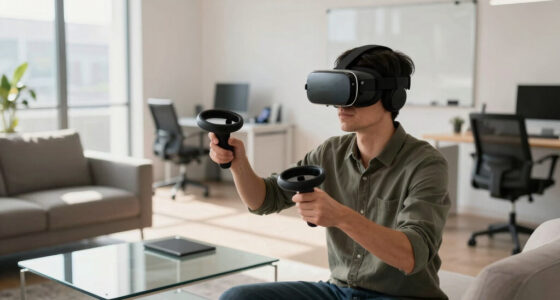
AI Smart Glasses with Camera, 4K HD Video & Photo Capture, Real-Time Translation, Recording Glasses with AI Assistant, Open-Ear Audio, Object Recognition, Bluetooth, for Travel (Transparent Lens)

AI Smart Glasses with Camera, 4K HD Video & Photo Capture, Real-Time Translation, Recording Glasses with AI Assistant, Open-Ear Audio, Object Recognition, Bluetooth, for Travel (Transparent Lens)

  • AI Real-Time Translation: Instant language translation with ChatGPT support
  • 4K Video & Photo Capture: High-definition recording and photography from first-person view
  • Open-Ear Audio & Calls: Bluetooth music and hands-free calls with open-ear design

As an affiliate, we earn on qualifying purchases.
As an affiliate, we earn on qualifying purchases.

Unresolved User Safety and Comfort Issues

It is not yet clear how Meta plans to address the reported comfort and safety concerns. No official statements have been made about upcoming design revisions or safety protocols, and user feedback remains mixed. The extent to which these issues can be resolved to satisfy regulatory and consumer standards is still uncertain.

Vision Sync Glasses, Auto Focus Varifocal Glasses, Smart Adaptive Eyewear with UV & Anti Blue Light Protection (2.5)

Vision Sync Glasses, Auto Focus Varifocal Glasses, Smart Adaptive Eyewear with UV & Anti Blue Light Protection (2.5)

  • Magnetic Clip-On Design: Switch lenses quickly for indoor/outdoor use
  • HD Polarized Lenses: Reduces glare and enhances clarity
  • Lightweight & Comfortable: Durable frame with ergonomic temples

As an affiliate, we earn on qualifying purchases.

As an affiliate, we earn on qualifying purchases.

Next Steps for Meta and Smart Glasses Development

Meta is expected to release updated versions of the Scriber Optics addressing comfort and safety issues within the coming months. Additionally, the company may collaborate with regulatory bodies to establish safety standards for smart glasses. Monitoring user feedback and adoption rates will be crucial in assessing whether these devices can overcome current hurdles and achieve mainstream acceptance.

AOC Air Mega AR/XR Glasses - 201'' Micro-OLED Personal Wearable Monitor for Gaming & Movies, FHD 120Hz Plug-and-Play Display Legion Go & USB-C Devices, High-Fidelity Audio & Privacy

AOC Air Mega AR/XR Glasses – 201'' Micro-OLED Personal Wearable Monitor for Gaming & Movies, FHD 120Hz Plug-and-Play Display Legion Go & USB-C Devices, High-Fidelity Audio & Privacy

  • Display Technology: Micro-OLED for vivid colors and contrast
  • Screen Size: 201-inch personal wearable monitor
  • Resolution and Refresh Rate: FHD 120Hz for smooth visuals

As an affiliate, we earn on qualifying purchases.

As an affiliate, we earn on qualifying purchases.

Key Questions

Are the Meta Ray-Ban Scriber Optics currently available for purchase?

As of now, the Scriber Optics are in limited release or testing phases, with wider availability expected later in 2026.

What are the main safety concerns with these smart glasses?

Users have voiced worries about distraction, difficulty in wearing them comfortably for long periods, and potential hazards in environments requiring full attention, such as driving or walking in crowded areas.

How does the design of the Scriber Optics compare to previous smart glasses?

The Scriber Optics feature a more advanced AR display and a modern design, but their bulkiness and weight still pose comfort challenges compared to earlier models like Google Glass.

Will Meta release safety guidelines or standards for these glasses?

It is not yet confirmed if Meta will publish specific safety standards, but industry experts expect some form of regulation or guidelines to emerge soon.

What impact could these issues have on the future of smart glasses?

If comfort and safety issues are not resolved, it could hinder widespread adoption and slow innovation in the wearable tech market, potentially leading to increased regulation and consumer hesitancy.

Source: rss

You May Also Like

How Is Augmented Reality Changing Retail?

Augmented reality is increasingly integrated into retail, enhancing shopping experiences and changing how consumers interact with products.

Samsung UK Lets You Try The Galaxy XR Headset Before Spending £1,699

Samsung UK allows customers to test the Galaxy XR mixed reality headset before purchasing for £1,699, providing an opportunity to experience the device firsthand.

‘MemoMind One’ Display Smart Glasses Blast Past $500K Crowdfunding Mark

The MemoMind One smart glasses from XGIMI’s new AI brand have raised over $500,000 on Kickstarter, exceeding their initial goal and promising innovative features.

Augmented Reality (AR) And Virtual Reality (VR) Hardware Market Set For Rapid Expansion With 33.2% CAGR

The augmented reality and virtual reality hardware market is projected to expand at a 33.2% CAGR, signaling significant industry growth.