
TL;DR

Play games on Amazon Luna for your next adventure, included with Prime
- A rotating selection of games, no download needed
- Play on TV, laptop or phone
- Fast, free delivery for your gear, too
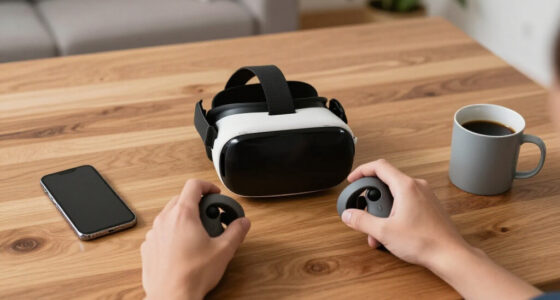
Meta has announced a new VR headset that weighs only 100 grams, significantly lighter than current models. This innovation aims to improve comfort and usability, potentially transforming the VR experience.
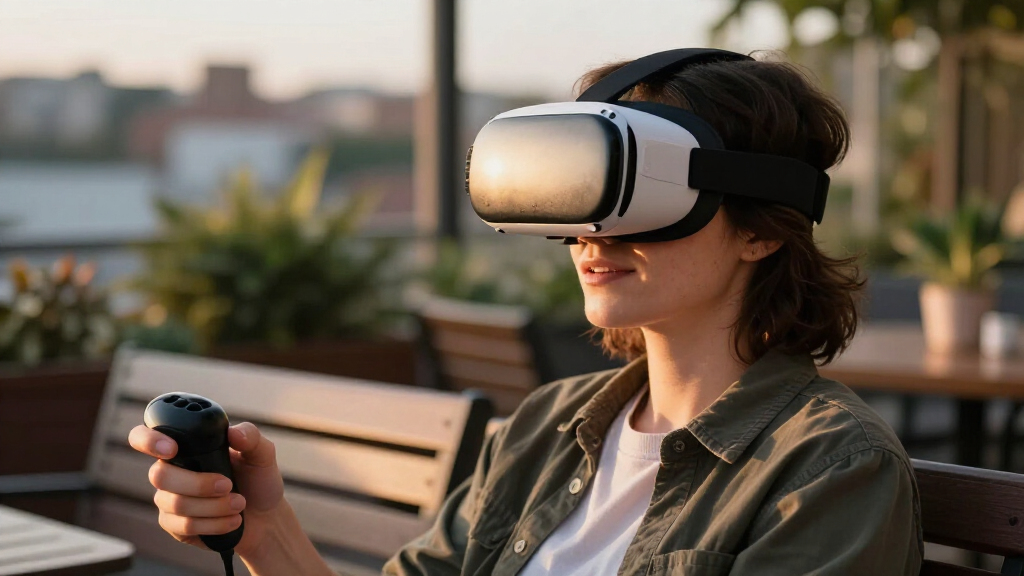
Meta has introduced a new virtual reality headset that weighs only 100 grams, addressing a long-standing challenge in the industry: the discomfort caused by heavy headsets. This development could significantly impact user experience and adoption rates, especially for extended use.
The company announced the new headset on March 2024, emphasizing its focus on reducing weight to improve comfort. According to Meta, the device is approximately 90% lighter than current mainstream VR headsets, which typically weigh between 400 and 600 grams. The lightweight design is achieved through the use of innovative materials and a re-engineered internal structure, though specific material details have not been disclosed.
Meta’s engineering team has reportedly focused on balancing weight reduction with maintaining device durability and performance. The new headset retains core features such as high-resolution displays and spatial audio, but the company has not yet confirmed whether it will include additional features like eye tracking or haptic feedback. The device is still in prototype stage, with no official release date announced.
Industry experts have reacted positively, noting that reducing headset weight could be a game-changer in terms of comfort, especially for users who wear VR headsets for extended periods. However, it remains to be seen how the device performs in real-world testing and whether it can meet the durability standards required for consumer products.
VR Design · Prototype Watch · March 2024
Meta’s 100-Gram Headset Takes Aim at VR’s Biggest Problem
A radically lighter prototype could make virtual reality more comfortable for longer sessions. Its performance, durability, and path to market are still open questions.
Less weight could change how VR feels
Headset weight can contribute to neck strain and fatigue. Reducing it may encourage longer, more frequent sessions across gaming, learning, and training.
Reduce fatigue
A much lighter device may ease the physical burden of extended use, though comfort also depends on balance, fit, and pressure points.
Make longer sessions easier
Less weight could support use in extended gaming, education, and workplace training where discomfort can cut sessions short.
Raise the design bar
If the approach works in practice, it may push other manufacturers to give comfort and ergonomic design greater priority.
A striking target, with details still to come
The reported 100-gram target is well below the 400–600-gram range cited for current mainstream headsets.
Illustrative scale uses 500 g as a midpoint for the reported 400–600 g range. Prototype weight and comparison figures are reported targets; specifications have not been independently confirmed.
Weight is the headline; trade-offs remain untested
Reported so far
- A 100-gram weight target for a new VR headset prototype.
- Meta says the design aims to preserve high-resolution displays and spatial audio.
- Engineering work reportedly combines new materials with a reworked internal structure.
Still unconfirmed
- Specific materials, complete specifications, and real-world performance.
- Battery life, durability, eye tracking, or haptic feedback.
- Whether the prototype will become a consumer product—and when.
From weight target to a headset people can use
The key test is whether weight reduction can coexist with performance, comfort, and the durability expected of a consumer device.
Refine
Continue developing the materials and internal structure.
Test
Assess comfort, durability, and performance in use.
Share details
Clarify specifications and product plans, if development advances.
Decide on release
No commercial timeline has been announced.
What readers are asking
When will Meta release it?
There is no official release date. The device remains a prototype.
Will it add features beyond lower weight?
Meta has not confirmed additions such as eye tracking or haptics. High-resolution displays and spatial audio are reported as core features.
How does it compare with existing headsets?
At 100 grams, the target is about 90% below the reported 400–600-gram range of mainstream models.
Could other manufacturers follow?
A successful design could encourage the industry to prioritize comfort and lighter construction.
Could there be trade-offs?
Potential effects on battery life, durability, and other functions have not yet been established.
What matters next?
Real-world testing will show whether the headset can balance its low weight with performance and reliability.
Potential Impact on VR User Comfort and Adoption
The move to drastically reduce headset weight could address one of the most persistent barriers to widespread VR adoption: discomfort and fatigue during prolonged use. Heavier headsets have been criticized for causing neck strain and reducing overall comfort, discouraging longer sessions and limiting use cases such as training, education, and extended gaming. By offering a significantly lighter device, Meta may improve user experience, encouraging more frequent and longer engagement with VR content. This development could also influence competitors to prioritize weight reduction in future designs, accelerating innovation across the industry.
As an affiliate, we earn on qualifying purchases.
Long-standing Challenge of Heavy VR Headsets
Since the launch of early VR headsets, weight has been a consistent concern. Devices like Oculus Rift and HTC Vive weigh between 400 and 600 grams, which can cause discomfort after extended use. Meta’s previous headsets, such as Quest 2, have faced criticism over their weight and fit. Industry analysts have identified comfort as a critical factor for mass-market adoption, but technical constraints have limited how much weight could be reduced without sacrificing features or durability.
Recent efforts by other manufacturers have included ergonomic redesigns and lighter materials, but none have achieved such a drastic reduction as Meta’s new prototype. The company’s focus on lightweight design aligns with broader industry trends toward more comfortable, user-friendly VR experiences.
It is not yet clear if this ultra-lightweight headset will be available commercially or if it remains a concept prototype. The company has not provided specific timelines or detailed specifications beyond the weight target.
comfortable VR headset for extended use
As an affiliate, we earn on qualifying purchases.
As an affiliate, we earn on qualifying purchases.
Unconfirmed Details About Device Performance and Release
It is not yet clear whether the lightweight prototype will meet all performance standards required for consumer devices, such as battery life, display quality, and durability. Details about the materials used remain undisclosed, and the company has not confirmed if or when the headset will be commercially available. Additionally, the impact of the reduced weight on other device functionalities and overall user experience remains to be tested in real-world conditions.
As an affiliate, we earn on qualifying purchases.
Next Steps for Meta’s Lightweight VR Headset Development
Meta is expected to continue refining the prototype, with plans to conduct extensive user testing in the coming months. The company may also reveal more technical details and potentially announce a commercial release timeline at upcoming industry events or product launches. Observers will be watching whether the device can balance lightweight design with high performance and durability, essential for market success.
As an affiliate, we earn on qualifying purchases.
Key Questions
When will Meta release this ultra-lightweight VR headset?
There is no official release date announced yet. The device remains in prototype stage, with further testing needed before commercial availability.
Will this headset include new features besides being lighter?
Meta has not yet confirmed additional features. The focus so far has been on reducing weight while maintaining core functionalities like high-resolution displays and spatial audio.
How does the weight compare to existing VR headsets?
The new headset weighs approximately 100 grams, which is about 90% lighter than current models that typically weigh between 400 and 600 grams.
Could this innovation influence other VR manufacturers?
Yes, a significant reduction in weight could set new industry standards, prompting competitors to prioritize comfort and ergonomic design in future products.
Are there any trade-offs with such a lightweight design?
It remains to be seen whether the lightweight design affects durability, battery life, or other functionalities. These aspects are still under development and testing.
Source: rss
Fall Picks
fall essentials
As an affiliate, we earn on qualifying purchases.