TL;DR

Play games on Amazon Luna for your next adventure, included with Prime
- A rotating selection of games, no download needed
- Play on TV, laptop or phone
- Fast, free delivery for your gear, too
XREAL Aura, developed by Chinese manufacturer XREAL in collaboration with Google and Qualcomm, are among the first consumer-oriented AR glasses running AndroidXR. They feature lightweight design, high-resolution displays, and a split form factor connecting to a computational puck. Initial hands-on impressions highlight their potential, but comfort and wearability remain challenges.
XREAL Aura are among the first consumer-oriented AR glasses running on AndroidXR, developed through a collaboration between XREAL, Google, and Qualcomm. They were demonstrated at the AWE event, marking a significant step toward mainstream augmented reality devices. These glasses aim to combine a lightweight design with high-quality AR features, making them a notable development in the XR space.
The XREAL Aura glasses feature a split design with lightweight glasses connected via a cable to a larger computational puck, which houses the Qualcomm Snapdragon Reality Elite chipset and battery. The device offers a resolution of 1920 x 1200 per eye with a 120Hz refresh rate and a 70° field of view. They include dual tracking cameras, an RGB vision camera, and integrated audio with Bose speakers. The glasses weigh around 95 grams, making them relatively light, but users report some discomfort after prolonged use.
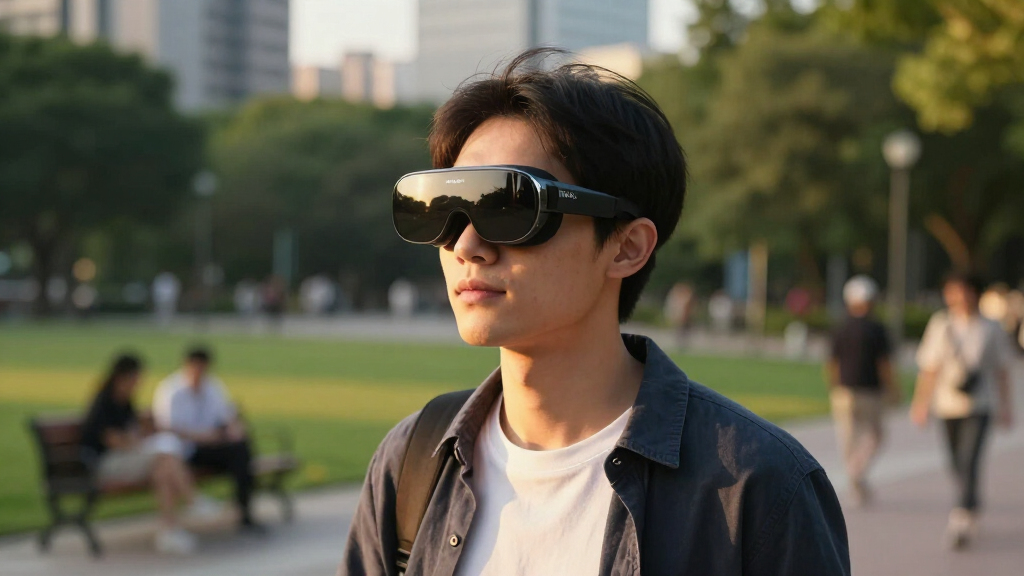
During the hands-on demo, the reviewer noted that the glasses look like bulky sunglasses from the front and are stylish enough to wear in public, but from the side, they appear thick and somewhat unnatural. The device’s design prioritizes aesthetics for frontal viewing but sacrifices some natural appearance from other angles. Comfort is adequate for short-term wear, but extended use causes strain on the nose and ears, and the glasses can become warm after some time.
The computational puck, which contains most of the processing power and battery, weighs approximately 300 grams and is designed to be carried in a pocket. Connectivity options include USB, Bluetooth, and Wi-Fi, supporting versatile use cases. The device’s optics utilize a birdbath design, with internal lenses projecting virtual content onto the user’s eyes.
Potential Impact on Consumer AR Market
The XREAL Aura represents a notable advancement in consumer AR glasses, especially as they are among the first to run on AndroidXR, making them more accessible and versatile. Their collaboration with Google and Qualcomm indicates strong industry backing, which could accelerate adoption of AR in everyday life. If successful, they could challenge existing smartglasses and headsets by offering a more immersive, portable experience.
However, challenges remain in comfort, battery life, and social acceptance due to their bulky appearance from certain angles. The device’s ability to balance performance, aesthetics, and wearability will determine its impact on the market and whether it can truly fulfill its potential as a mainstream AR device.
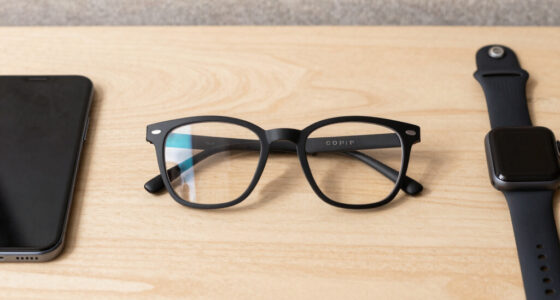
AR smart glasses with high resolution
As an affiliate, we earn on qualifying purchases.
As an affiliate, we earn on qualifying purchases.
Background on AR Glasses Development
AR glasses have long been a goal for tech companies seeking to bring augmented reality into daily life. Previous attempts, such as Microsoft HoloLens and Magic Leap, targeted enterprise markets with bulky designs and high costs. Consumer-focused AR glasses have struggled with form factor, battery life, and social acceptance. XREAL entered the scene with the goal of creating lightweight, stylish glasses suitable for everyday wear, leveraging partnerships with Google and Qualcomm to develop hardware and software optimized for AR experiences. The AWE event provided the first significant public demo of these glasses, marking a key milestone in their development timeline.
“The Aura glasses are designed to bring AR into everyday life with a sleek form factor and powerful features, making AR more accessible to consumers.”
— XREAL representative at AWE
As an affiliate, we earn on qualifying purchases.
Key Challenges and Unknowns Ahead
While the initial impressions are promising, several aspects remain unclear. The long-term comfort of wearing the XREAL Aura glasses is uncertain, especially for prolonged periods. Battery life, real-world performance, and social acceptance are yet to be fully tested outside demo environments. Additionally, the device’s software ecosystem, app support, and user interface experience are still in early stages, making it difficult to assess its full potential.
lightweight AR glasses with Bose speakers
As an affiliate, we earn on qualifying purchases.
As an affiliate, we earn on qualifying purchases.
Next Steps for XREAL Aura Development
Further testing and user feedback will be critical in assessing the Aura’s real-world viability. XREAL plans to release the glasses commercially later this year, likely accompanied by software updates and accessories aimed at improving comfort and usability. Industry observers will watch closely to see if the device can overcome its current limitations and achieve broader adoption. Additional details on pricing, availability, and software features are expected in upcoming official announcements.
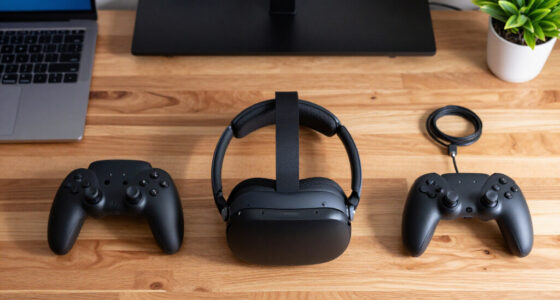
AR glasses with computational puck
As an affiliate, we earn on qualifying purchases.
As an affiliate, we earn on qualifying purchases.
Key Questions
When will the XREAL Aura be available for purchase?
Details on exact release dates and pricing have not yet been announced, but a commercial launch is anticipated later this year.
How does the design compare to other AR glasses?
The Aura has a split design, with lightweight glasses connected to a larger puck. It looks more stylish from the front but appears bulky from the side compared to some smartglasses like Ray-Ban Meta.
Can the glasses be worn comfortably all day?
Initial impressions suggest that while comfortable for short periods, prolonged wear may cause discomfort due to weight distribution and heat buildup.
What software or apps will support the Aura?
The device runs on AndroidXR, but specific app support and ecosystem details are still forthcoming.
What makes the Aura different from existing AR headsets?
The Aura’s lightweight, consumer-friendly design and collaboration with Google and Qualcomm aim to make AR more accessible outside enterprise environments.
Source: The Ghost Howls
Halloween Picks
halloween
As an affiliate, we earn on qualifying purchases.