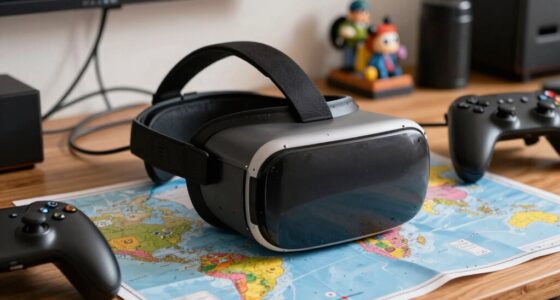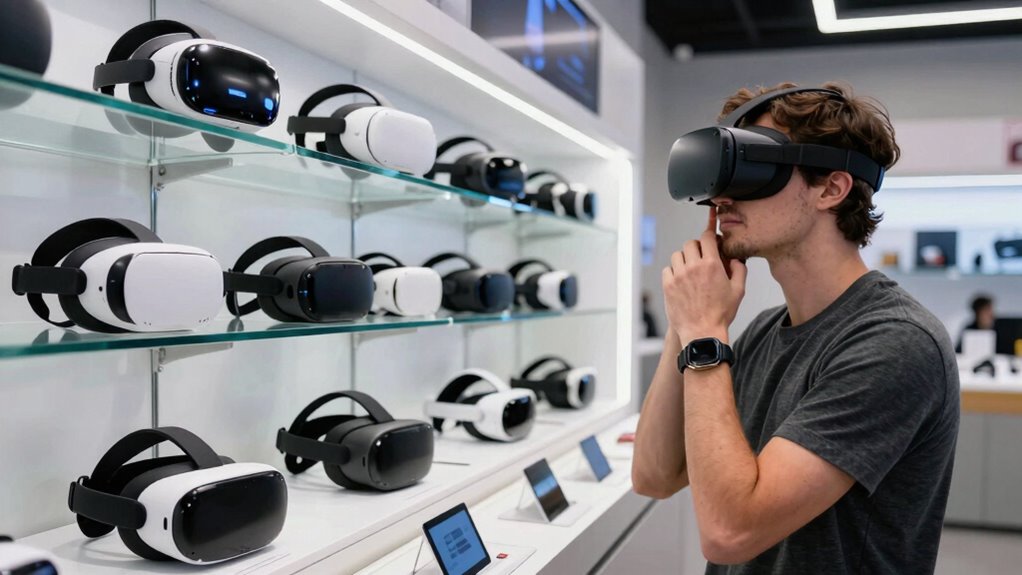
Return policies matter more for VR devices because they rely on complex, sensitive hardware like haptic feedback, motion sensors, and calibration features that are vital for an immersive experience. Shipping damage or minor malfunctions can impair performance, making returns tricky. Accessories also need to work perfectly with headsets. Because of these precision requirements, strict return policies protect both you and the manufacturer. To discover more about how these policies protect your investment, keep exploring.

Play games on Amazon Luna for your next adventure, included with Prime
- A rotating selection of games, no download needed
- Play on TV, laptop or phone
- Fast, free delivery for your gear, too
Key Takeaways
- VR devices rely on sensitive, interactive features like haptic feedback and motion tracking, making returns more critical if malfunctioning.
- Proper calibration and functionality are vital for VR immersion, leading to stricter return standards than other tech products.
- Shipping damage can impair core features, requiring careful handling and affecting return eligibility more than with less delicate electronics.
- Accessories must function seamlessly with headsets; defects or damage impact user experience, increasing return importance.
- Software compatibility issues in VR can complicate returns, necessitating clearer policies tailored to hardware and software integration.
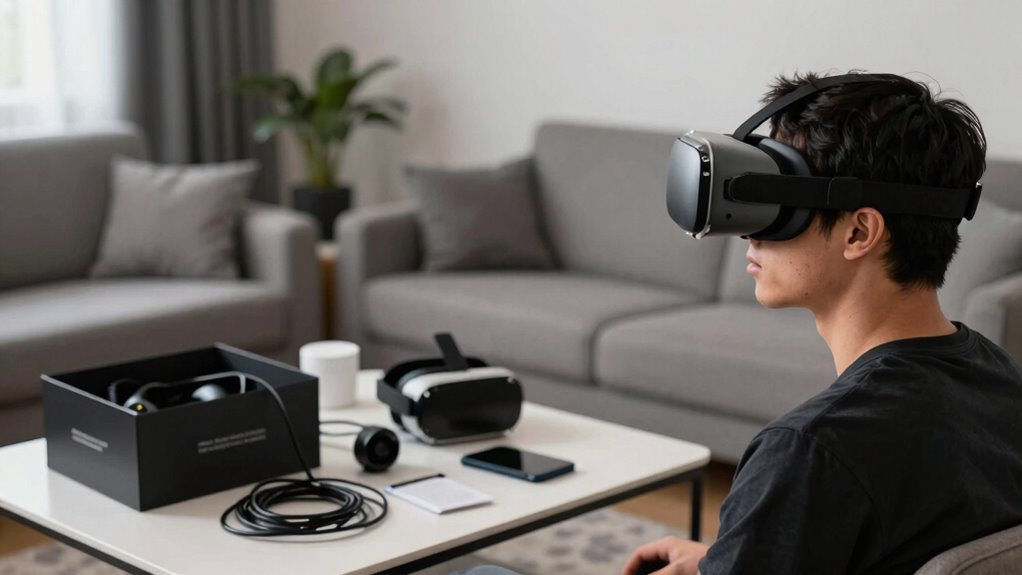
Are you unsure about what to expect when returning a VR headset or accessories? If so, you’re not alone. Virtual reality gear is a bit different from other tech products, and understanding return policies can be confusing. Unlike standard gadgets, VR devices are highly interactive, relying heavily on features like haptic feedback and motion tracking to deliver immersive experiences. These elements are what make VR so compelling, but they also complicate returns, especially if the device doesn’t perform as expected or if accessories are damaged or missing.
VR gear’s interactive features make returns complex, especially if devices or accessories are damaged or underperforming.
When you’re dealing with VR headsets, return policies matter more because of how sensitive these devices are to physical condition and functionality. Haptic feedback, for example, involves tiny vibrations and tactile signals that enhance immersion. If that feature isn’t working properly or the device’s sensors aren’t calibrated correctly, you might feel like the headset isn’t functioning as it should. Similarly, motion tracking—the system that captures your movements and translates them into the virtual environment—is vital. If motion tracking is inconsistent or drifts, it can ruin your experience and make the device frustrating to use. Because these features are integral to VR’s core appeal, manufacturers often have strict return policies to guarantee the products are in perfect working order when they reach you. Moreover, hardware sensitivity plays a crucial role in how these policies are structured to protect consumers from defective or damaged products. Ensuring that the shipping process maintains the integrity of the device is critical, as even minor damage can impair functionality. Additionally, proper calibration can be essential for ensuring optimal performance and accurate tracking, further emphasizing the importance of return policies that address these nuances. Maintaining the integrity of the device during shipping is also critical, as even minor damage can impair functionality.
Returning VR accessories, such as controllers or sensors, can be even trickier. These components are designed to work seamlessly with the headset, and any malfunction can be a sign of a defect or damage during shipping. If you’re experiencing issues with haptic feedback or motion tracking, you’ll want a return policy that covers repairs, replacements, or refunds without hassle. Many companies specify that returns are only accepted if the product is returned in original condition, which can be a challenge if the accessories have been used extensively or if packaging is missing.
Because VR is so reliant on precise hardware functioning — especially for features like haptic feedback and motion tracking — return policies must address these specific concerns. You need assurance that if your device doesn’t meet expectations or arrives damaged, you’re protected. This is why return policies for VR products tend to be more detailed and strict compared to other tech categories. They aim to safeguard both the consumer and the manufacturer, ensuring that the immersive experiences VR promises aren’t marred by faulty hardware or shipping mishaps. Additionally, software compatibility can influence the return process, as incompatible systems may require different considerations. So, always read the fine print before purchasing, and know what’s covered if your VR gear doesn’t live up to its promises.
As an affiliate, we earn on qualifying purchases.
Frequently Asked Questions
How Do VR Return Policies Compare Internationally?
Internationally, VR return policies vary widely due to differences in global consumer rights and cultural differences. You might find some countries offering generous return windows and thorough guarantees, while others impose stricter conditions. As a consumer, it’s vital to understand each region’s policies before purchasing. This variability impacts your ability to return or exchange VR products, making it necessary to review local laws and retailer policies to guarantee a smooth experience.
Are There Specific VR Items With Stricter Return Rules?
Yes, some VR items have stricter return rules. VR hardware restrictions often limit returns once opened or used, especially with headsets and controllers, due to hygiene and safety concerns. Additionally, accessory return limits may apply, restricting the timeframe or number of returns for items like sensors or external accessories. These policies are stricter than many other tech categories, emphasizing the need to carefully evaluate VR purchases before buying.
What Are Common Reasons for VR Return Rejections?
You might face VR return rejections if the device shows signs of misuse or damage, which can compromise customer satisfaction and warranty coverage. Manufacturers often reject returns if the hardware has been altered or tampered with, as it voids warranties. Additionally, if the product isn’t in its original packaging or doesn’t meet the return window, your request may be denied. Ensuring proper use and documentation helps avoid these common rejection reasons.
How Quickly Can I Expect a VR Return Refund?
You can typically expect your virtual reality refund within 7 to 14 days after the retailer receives the returned item. The refund process begins once they verify the product’s condition and confirm it meets return policies. Keep in mind that VR devices often require thorough inspection due to their sensitive components, which might slightly extend the process. Tracking your return and staying in contact with customer service helps ensure a smoother, quicker refund.
Do VR Return Policies Cover Software and Accessories?
Yes, VR return policies typically cover software and accessories, but it depends on the retailer. Most stores allow returns if the software is unopened or defective, and accessories can usually be returned within a specified window. Be sure to check the specific return policies for virtual reality products, as they often have stricter guidelines due to the nature of the hardware and software. Always review these policies before making a purchase.
As an affiliate, we earn on qualifying purchases.
Conclusion
So, next time you’re tempted to skip reading the fine print on a VR return policy, remember—it’s probably more essential than in other tech categories. After all, you’re investing in an experience that might leave you dizzy or disappointed. Ironically, the more immersive the technology promises to be, the more important it is to have a flexible return policy. Because sometimes, the best way to enjoy VR is knowing you can just take it off.
As an affiliate, we earn on qualifying purchases.
As an affiliate, we earn on qualifying purchases.
Halloween Picks
halloween
As an affiliate, we earn on qualifying purchases.