TL;DR
Valve’s Steam Frame is a high-performance VR headset designed for power-users willing to tinker with settings. It offers strong standalone and PC streaming capabilities but is less user-friendly than mainstream options like Quest 3. Its value depends on the user’s need for customization and performance.
Valve has launched Steam Frame, its second VR headset, targeting power-users with a focus on customization and high performance. The device combines standalone capabilities with seamless PC streaming but requires users to be comfortable with tinkering for optimal results. This release marks Valve’s significant entry into a more advanced segment of the VR market, emphasizing flexibility over simplicity. This release marks Valve’s significant entry into a more advanced segment of the VR market, emphasizing flexibility over simplicity.
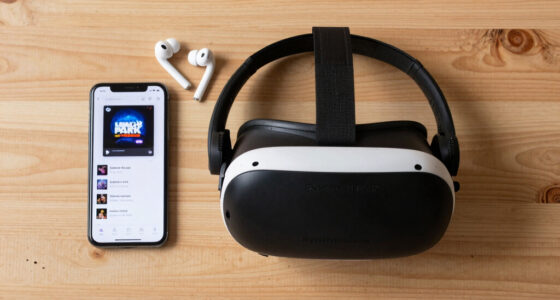
Steam Frame is positioned as a high-end VR headset that offers both standalone and PC streaming modes. It supports a broad library of Steam games, with Valve’s ‘Frame-certified’ program helping users identify titles that run well on the device. The headset features similar visual performance to Quest 3, with a focus on weight distribution and optics. It is 16% lighter than Quest 3, thanks to a rear-mounted battery, but lacks a top strap, which affects comfort without the optional accessory kit. Built-in speakers provide decent audio, though bass response is limited. For more on VR audio, see our guide to enhancing VR audio experiences. Valve’s inside-out tracking performs reliably, with accurate head and controller tracking, even behind or above the user’s head. The controllers emulate traditional gamepads, including a D-pad and bumper triggers, enabling users to play both VR and flat-screen Steam titles directly. While standalone flatscreen gaming is possible, it is considered a secondary feature due to hardware limitations. PC streaming remains the primary method for high-quality gameplay, facilitated by a wireless dongle for easy setup.
Impact on VR Power-Users and Tech Enthusiasts
The release of Steam Frame signifies Valve’s commitment to advanced VR experiences for enthusiasts and developers. Its emphasis on customization, PC integration, and expandability positions it as a niche but influential device in the evolving VR landscape. While not aimed at casual users, it offers a compelling option for those seeking more control and performance, potentially influencing future headset designs and VR ecosystem standards.
As an affiliate, we earn on qualifying purchases.
Valve’s VR Market Position and Previous Releases
Valve’s first headset, the Index, was celebrated for its audio quality and tracking accuracy, but it was tethered to a powerful PC. The Quest 3, by Meta, has become a popular mainstream choice due to its standalone design and ease of use. Steam Frame aims to bridge the gap between these two approaches by offering powerful standalone features combined with PC streaming. This release follows Valve’s strategic push into more customizable and expandable VR hardware, reflecting ongoing industry trends toward flexibility and high performance.
“Valve’s Steam Frame is very capable and expandable, but it’s clearly aimed at power-users willing to tinker for the best experience.”
— Road to VR
high performance VR headset with PC streaming
As an affiliate, we earn on qualifying purchases.
As an affiliate, we earn on qualifying purchases.
Unconfirmed Aspects and Performance Limitations
Details about the long-term durability of the device, the full scope of game compatibility outside the Frame-certified library, and user experience in diverse real-world scenarios remain unclear. While initial reviews praise tracking and build quality, comprehensive performance data across a wide range of titles and extended use sessions are still pending. Additionally, the impact of future software updates on usability and compatibility is yet to be seen.
As an affiliate, we earn on qualifying purchases.
Upcoming Software Updates and Market Reception
Valve is expected to release firmware updates to enhance stability, expand game compatibility, and improve user experience. The company may also introduce new accessories and features based on user feedback. Industry analysts will monitor how well the device performs in the hands of dedicated VR enthusiasts and whether it influences the broader market, especially in relation to competing high-end headsets. Further hands-on reviews and user reports will clarify its position in the VR ecosystem.
As an affiliate, we earn on qualifying purchases.
Key Questions
How does Steam Frame compare to Quest 3 in terms of performance?
Steam Frame offers similar visual quality and tracking performance to Quest 3 but emphasizes customization and PC streaming. It is more powerful on paper but less user-friendly, requiring more tinkering for optimal use.
Is Steam Frame suitable for casual VR users?
No, Steam Frame is primarily designed for power-users and enthusiasts who are comfortable with adjusting settings and exploring its capabilities. It is less accessible for beginners.
What are the main limitations of Steam Frame?
The device’s less intuitive setup, limited out-of-the-box comfort without accessories, and hardware constraints for high-end flatscreen gaming are notable. Its reliance on user tinkering may deter casual users.
Will Steam Frame support more games over time?
Valve plans to improve game compatibility through firmware updates and its Frame-certified program, but full support for all Steam titles is not guaranteed. Compatibility outside the certified list may vary.
Source: Road to VR