TL;DR
A new approach using virtual reality distraction has been reported to help claustrophobic patients complete cardiac scans. This development could improve patient outcomes and reduce scan cancellations, but the full effectiveness and scope are still under study.
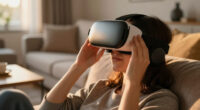
Recent reports indicate that virtual reality (VR) distraction techniques are being used to help claustrophobic patients complete cardiac scans. This approach is gaining attention as a potential solution to the longstanding challenge of patient anxiety during imaging procedures, which can lead to cancellations or incomplete scans. While the trend is still emerging, early indications suggest that VR may significantly improve patient compliance and scan success rates.
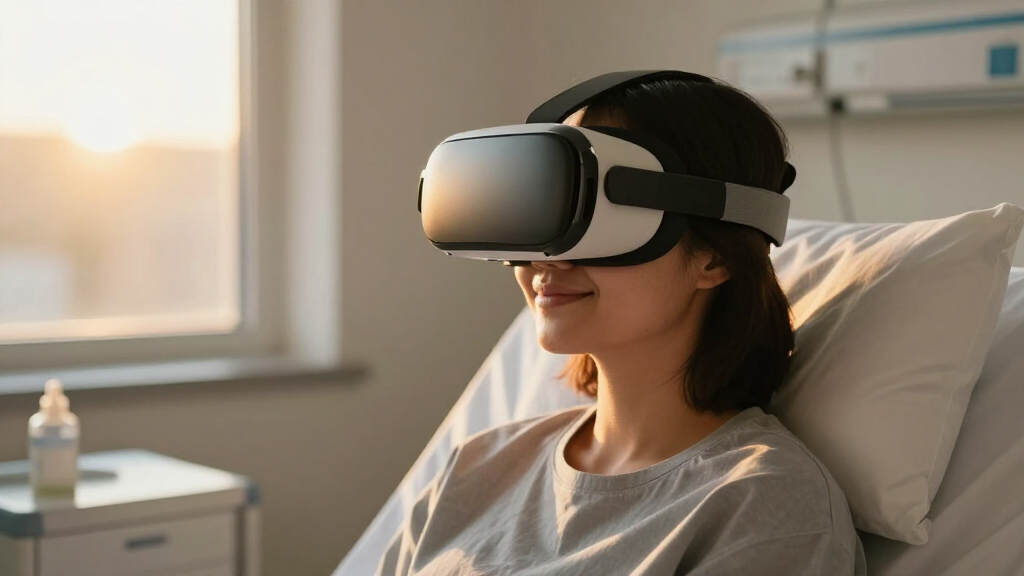
According to a recent trend signal from News-Medical, healthcare providers are experimenting with virtual reality headsets to distract claustrophobic patients during cardiac magnetic resonance imaging (MRI) and computed tomography (CT) scans. Claustrophobia, a common issue among patients requiring imaging inside confined spaces, often results in procedure cancellations or incomplete scans, delaying diagnosis and treatment.
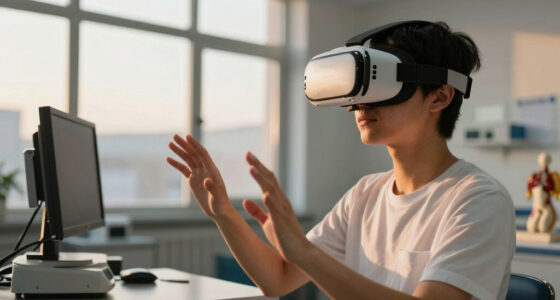
Initial anecdotal reports and small-scale studies suggest that VR distraction can reduce anxiety and improve patient tolerance during these procedures. The VR environments are designed to be calming and immersive, helping patients focus away from the enclosed space and discomfort. For more on this technology, see Virtual Reality, AR and XR: A Complete Guide to Immersive Technology.
It is important to note that these reports are preliminary, and comprehensive clinical trials are yet to be published. The effectiveness of VR distraction may vary depending on individual patient factors, the type of scan, and the design of the VR experience. However, healthcare professionals involved in early trials indicate promising results, with some patients completing scans they previously could not tolerate.
Potential Impact on Cardiac Imaging Outcomes
This development could have a meaningful impact on patient care and clinical workflow. By reducing anxiety-related cancellations, healthcare providers may improve diagnostic efficiency and patient satisfaction. It could also lower the need for sedation or anesthesia, which carry additional risks and costs. If validated through rigorous trials, VR distraction might become a standard adjunct in imaging centers, especially for patients with severe claustrophobia or anxiety disorders.
virtual reality headsets for medical use
As an affiliate, we earn on qualifying purchases.
As an affiliate, we earn on qualifying purchases.
Addressing Claustrophobia in Medical Imaging
Claustrophobia affects a significant portion of patients requiring cardiac MRI or CT scans, with estimates suggesting up to 10-15% experience severe anxiety that impairs their ability to complete procedures. Traditionally, strategies to mitigate this include sedation, open MRI machines, or psychological counseling, but none are universally effective or feasible for all patients.
Over recent years, technological innovations such as open scanners and sedation protocols have helped, but they do not eliminate the discomfort entirely. The introduction of VR as a distraction method is a recent trend, with increasing interest from hospitals seeking non-invasive, patient-friendly solutions. The current reports are part of a broader effort to explore digital interventions in medical settings, driven by rising patient anxiety concerns and the need for more efficient imaging workflows.
As an affiliate, we earn on qualifying purchases.
Unconfirmed Effectiveness and Broader Adoption
While initial reports are promising, larger studies are needed to confirm VR’s benefits across different patient groups. Questions remain about the most effective VR content, potential side effects, and cost implications. Adoption will depend on further clinical validation and evidence of cost-effectiveness.
As an affiliate, we earn on qualifying purchases.
Planned Clinical Trials and Broader Implementation Studies
Next steps include larger, controlled clinical trials to assess VR distraction’s efficacy. Successful results could lead to standardized protocols and wider use in imaging centers, especially for patients with high anxiety. Monitoring patient outcomes will be crucial to establishing VR as a routine part of cardiac imaging.
As an affiliate, we earn on qualifying purchases.
Key Questions
How does VR distraction help claustrophobic patients?
VR distraction immerses patients in calming virtual environments, helping divert their focus away from the enclosed space and reducing anxiety during scans.
Are there any risks associated with using VR during medical scans?
Potential risks are still being studied, but generally, VR use is considered safe for most patients. Some may experience dizziness or discomfort, and screening for motion sickness is recommended.
Will VR distraction replace sedation in cardiac imaging?
It is too early to say. VR may serve as an alternative for some patients, but sedation will likely remain necessary for others with severe anxiety or specific medical needs until more evidence is available.
When might VR distraction become a standard part of cardiac scans?
This depends on the outcomes of upcoming clinical trials and the development of effective protocols. Widespread adoption could take several years if proven effective.
Is VR distraction suitable for all patients?
No, some patients may not tolerate VR due to motion sickness, seizures, or other conditions. Individual assessment remains essential.
Source: rss