TL;DR
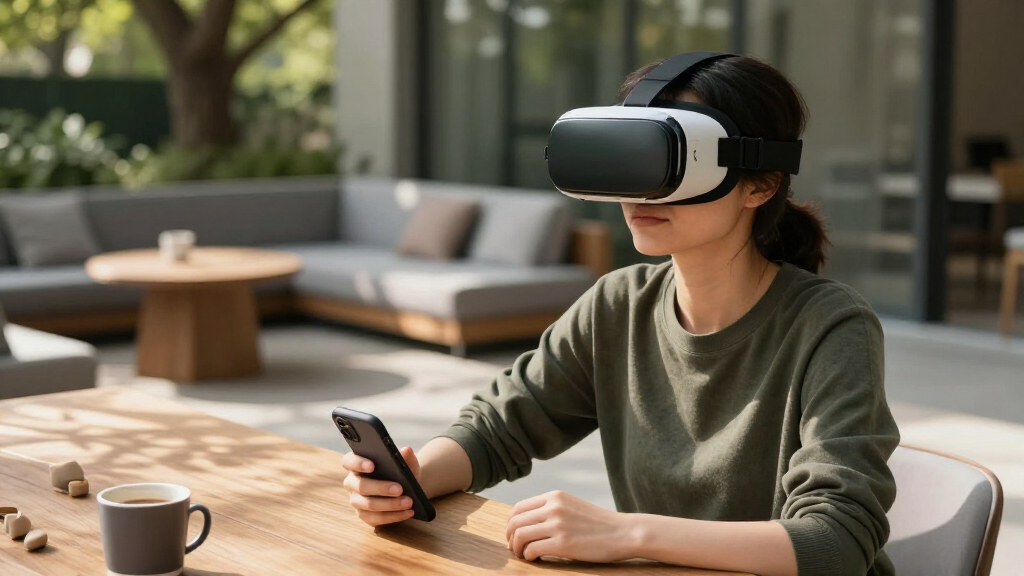
AT&T and Mynd Immersive have announced a partnership to develop virtual reality programs aimed at improving digital confidence among older adults. The initiative leverages immersive technology to address digital literacy gaps and promote social engagement.
AT&T and Mynd Immersive have announced a collaboration to develop virtual reality experiences designed to improve digital confidence among older adults. This initiative aims to address digital literacy gaps and foster social engagement through immersive technology, making a notable impact on digital inclusion efforts for seniors.
The partnership between AT&T and Mynd Immersive focuses on creating accessible virtual reality programs tailored for seniors, emphasizing ease of use and engagement. The program will include VR experiences that simulate everyday activities, social interactions, and educational content, all designed to boost confidence in navigating digital environments.
AT&T, a major telecommunications provider, brings its extensive network infrastructure and technological expertise, while Mynd Immersive specializes in developing immersive digital content for vulnerable populations. The collaboration aims to pilot the program in select communities before broader rollout.
According to sources, initial testing indicates that VR can significantly improve digital literacy and reduce feelings of isolation among older adults, although full results are still being evaluated. Educational VR kits are part of this immersive approach. The program is expected to launch publicly within the next six months, with ongoing assessments to measure its effectiveness.
Digital Confidence Through Virtual Reality: How AT&T and Mynd Immersive Are Making a Change for Older Adults
AT&T and Mynd Immersive have announced a partnership to develop virtual reality programs that improve digital confidence among older adults — leveraging immersive technology to close digital literacy gaps and foster social engagement for seniors.
Two Complementary Strengths
AT&T brings its extensive network infrastructure and technological expertise, while Mynd Immersive specializes in developing immersive digital content for vulnerable populations. Together, they aim to pilot the program in select communities before broader rollout.
AT&T
Major telecommunications provider contributing network infrastructure, connectivity, and deep technological expertise to deliver VR experiences reliably at scale.
Mynd Immersive
Developer of immersive digital content purpose-built for vulnerable populations, focusing on accessibility, ease of use, and meaningful engagement.
From Pilot to Public Rollout
The collaboration plans a phased approach: pilot in select communities, monitor engagement and skills, refine the program, and expand based on findings.
Pilot Launch
Select communities test VR experiences over 3–6 months with additional on-site support.
Monitor & Measure
Researchers track user engagement, digital skill development, and social benefits.
Refine Program
Content and accessibility features are refined based on pilot data and participant feedback.
Broad Rollout
Public launch within ~6 months, with ongoing studies on long-term impact and cost-effectiveness.
Four Pillars of VR Content
Content is designed to simulate everyday activities and boost confidence in navigating digital environments — all tailored to promote engagement rather than intimidation.
Everyday Activities
Simulations of real-world scenarios such as shopping, banking, and navigating public services in a safe, low-pressure environment.
Social Interactions
Immersive social scenarios that build communication confidence and directly target feelings of isolation among older adults.
Educational Modules
Step-by-step digital literacy lessons, supported by educational VR kits as part of the immersive learning approach.
Health-Related Scenarios
Content that helps seniors practice accessing health information and services — improving access to essential care resources as digital platforms become central to daily life.
Where VR Could Move the Needle
Initial testing indicates VR can significantly improve digital literacy and reduce isolation among older adults — though full results are still being evaluated, and questions remain on scalability, cost, and accessibility.
Illustrative scale — based on reported early feedback, not final evaluation data
What’s Settled vs. Still Open
A snapshot of the initiative’s design commitments versus the questions that evaluation phases still need to answer.
| Dimension | Status | Details |
|---|---|---|
| Accessibility features | ✓ Committed | Simplified controls, voice commands, adjustable interfaces; extra support during pilot |
| Tailored senior content | ✓ Committed | Everyday, social, educational, and health scenarios designed for older adults |
| Long-term effectiveness | ~ Evaluating | Comprehensive data on engagement, retention, and social impact still being collected |
| Cost & participant pricing | ~ Finalizing | Aims to be affordable or subsidized; details still being finalized |
| Adaptation to other groups | ✓ Feasible | Approach could extend to people with disabilities and underserved communities |
The Details That Matter
Straight answers on accessibility, availability, and what comes next for the program.
How will the VR program be accessible to seniors with physical or cognitive limitations?
Accessibility features include simplified controls, voice commands, and adjustable interfaces, with additional support provided during pilot phases to address individual needs.
What types of content will the VR experiences include?
Everyday activities, social interactions, educational modules, and health-related scenarios — all tailored to promote digital confidence and social engagement.
When will the program be available to the public?
The pilot is expected to launch in the next three to six months, with a broader rollout to follow based on pilot results and refinements.
Will this initiative be free for participants?
Cost and access details are still being finalized, but initial efforts aim to keep the program affordable or subsidized for target populations.
Could this technology be used for other vulnerable groups?
Yes — the technology and approach could be adapted for other populations facing digital literacy challenges, such as individuals with disabilities or underserved communities.
Potential Impact on Digital Inclusion for Seniors
This initiative could represent a meaningful advancement in addressing the digital divide faced by older adults. By leveraging virtual reality, a technology often associated with younger users, the program aims to make digital skills development more engaging and less intimidating. If successful, it could serve as a model for other tech companies and service providers seeking to promote digital confidence among vulnerable populations.
Furthermore, enhancing digital literacy among seniors can improve their access to essential services, health information, and social connections, especially as digital platforms become increasingly central to daily life. The project aligns with broader efforts to promote aging in place and reduce social isolation.
As an affiliate, we earn on qualifying purchases.
Background on Digital Confidence and VR Initiatives
Over the past decade, there has been growing recognition of the digital divide affecting older adults, who often face barriers such as unfamiliarity with technology, physical limitations, and lack of tailored content. Various programs have aimed to bridge this gap through training, devices, and community outreach.
Virtual reality has emerged as a promising tool in this space, offering immersive, engaging experiences that can simulate real-world scenarios. Prior pilot projects have shown potential benefits, but widespread adoption remains limited due to cost, accessibility, and content development challenges.
This partnership between AT&T and Mynd Immersive builds on these developments, aiming to demonstrate VR’s viability as a scalable solution for digital confidence among seniors.
virtual reality educational kits for elderly
As an affiliate, we earn on qualifying purchases.
As an affiliate, we earn on qualifying purchases.
Uncertain Outcomes and Evaluation Metrics
It is not yet clear how effective the VR program will be at improving long-term digital confidence among older adults. While early feedback is promising, comprehensive data on engagement levels, skill retention, and social impact are still being collected. Additionally, questions remain about scalability, cost, and accessibility for diverse populations.
easy-to-use VR glasses for seniors
As an affiliate, we earn on qualifying purchases.
As an affiliate, we earn on qualifying purchases.
Next Steps for Program Deployment and Assessment
The collaboration plans to pilot the VR program in select communities over the next three to six months. During this period, researchers will monitor user engagement, digital skill development, and social benefits. Based on these findings, the program will be refined and potentially expanded to broader markets. Further studies are expected to evaluate long-term impacts and cost-effectiveness.
VR social engagement devices for older adults
As an affiliate, we earn on qualifying purchases.
As an affiliate, we earn on qualifying purchases.
Key Questions
How will the VR program be accessible to seniors with physical or cognitive limitations?
The program is designed with accessibility features, including simplified controls, voice commands, and adjustable interfaces. Additional support will be provided during pilot phases to address individual needs.
What types of content will the VR experiences include?
Content will focus on everyday activities, social interactions, educational modules, and health-related scenarios, all tailored to promote digital confidence and social engagement.
When will the program be available to the public?
The pilot is expected to launch in the next three to six months, with a broader rollout to follow based on pilot results and refinements.
Will this initiative be free for participants?
Details on cost and access are still being finalized, but initial efforts aim to keep the program affordable or subsidized for target populations.
Could this technology be used for other vulnerable groups?
Yes, the technology and approach could be adapted for other populations facing digital literacy challenges, such as individuals with disabilities or underserved communities.
Source: rss