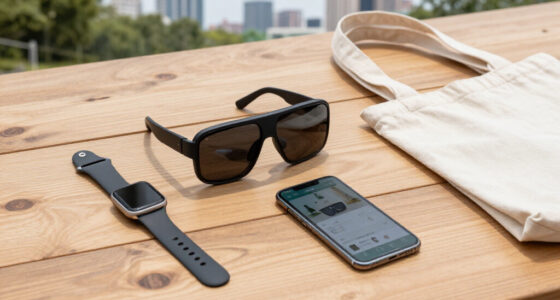
TL;DR

Play games on Amazon Luna for your next adventure, included with Prime
- A rotating selection of games, no download needed
- Play on TV, laptop or phone
- Fast, free delivery for your gear, too
Meta has introduced new smart glasses that include advanced recording features, leading to privacy concerns among users and regulators. The company has not yet responded to these worries, which could impact adoption and regulation.
Meta’s new smart glasses have been met with privacy concerns after reports emerged that the devices include covert recording features. The glasses, announced earlier this month, are designed to offer augmented reality experiences but also include cameras capable of recording without obvious indicators. The company has not yet addressed these privacy worries publicly, but the development has attracted attention from regulators and privacy advocates.
Meta’s smart glasses, introduced as part of their augmented reality product lineup, feature built-in cameras and microphones intended for hands-free recording and interaction. According to reports, the glasses can record video and audio discreetly, raising fears about potential misuse in public and private settings. Privacy advocates have expressed concern that users could record others without consent, infringing on personal privacy rights.
Meta has not issued a formal statement clarifying the extent of the recording capabilities or how user data is protected. The company’s silence has intensified speculation about possible regulatory or legal challenges ahead. Experts note that similar concerns have arisen with other wearable devices, but the integration of these features into mainstream consumer products marks a notable development.
Meta Smart Glasses Spark Privacy Concern
Reports of discreet video and audio capture are putting consent, data protection and public trust at the center of Meta’s latest wearable launch. Important technical details and safeguards remain unconfirmed.
A familiar device creates an unfamiliar surveillance problem
The concern is not simply that the glasses contain sensors. It is whether recording can happen without a clear signal, meaningful consent or transparent rules for the resulting data.
Always within reach
Cameras and microphones embedded in eyewear can make hands-free capture more convenient—and less visible to people nearby.
Reported capabilityConsent becomes harder
In homes, workplaces and public spaces, bystanders may not know whether recording is active or how their image and voice may be used.
Primary concernSafeguards are unclear
Detailed information about recording indicators, data retention, access permissions and user controls has not been established in the source report.
UnconfirmedHow a discreet recording becomes a policy issue
The potential impact builds in stages—from an individual capture to wider changes in trust, law and wearable adoption.
Camera and microphone are integrated into everyday eyewear.
People nearby may not recognize that capture is occurring.
Images or conversations could be recorded without agreement.
Different jurisdictions apply different recording and privacy rules.
Trust and regulation may shape adoption across the category.
What is reported—and what remains unanswered
The distinction matters: concern is real, but several claims about the product’s exact behavior still require technical confirmation.
| Issue | What the report indicates | Current confidence | What would clarify it |
|---|---|---|---|
| Recording hardware | Built-in cameras and microphones support hands-free capture and interaction. | Reported | Full technical specifications from Meta. |
| Visible recording signal | Reports suggest capture may occur without an obvious indicator. | Needs verification | Indicator design, brightness and tamper controls. |
| User controls | It is unclear whether recording can be fully disabled or restricted. | Unconfirmed | Product settings and privacy documentation. |
| Data handling | Storage, retention, access and sharing protections are not detailed. | Unanswered | A formal data policy and security architecture. |
| Commercial release | Availability and a final consumer release date remain pending. | Developing | An official launch announcement. |
One product decision can reshape public privacy norms
The answers that will determine the stakes
Until Meta or regulators provide more detail, consumers should treat claims about specific controls and protections as provisional.
Are the glasses currently available?
The source describes a recent announcement, but commercial availability and the final release date remain pending.
Can recording be disabled?
Detailed information about user controls and privacy settings has not yet been provided in the report.
What legal protections apply?
Rules vary by jurisdiction. Some regions restrict recording without consent, while enforcement and scope differ.
Could the glasses change public norms?
Widespread adoption without visible safeguards could make covert capture feel more routine and challenge existing expectations.
Implications for User Privacy and Regulation
The privacy concerns surrounding Meta’s smart glasses highlight ongoing debates over wearable technology and data security. If these devices become widely adopted without safeguards, they could facilitate covert recording, infringing on personal privacy and leading to legal disputes. Regulatory bodies may consider new rules or restrictions, which could impact Meta’s product rollout and similar devices from other companies.
For consumers, the issue underscores the importance of privacy rights in the digital age and the need for clear policies governing wearable tech. The controversy could influence public trust and acceptance of augmented reality devices, affecting the broader market’s growth trajectory.
privacy screen protectors for smart glasses
As an affiliate, we earn on qualifying purchases.
As an affiliate, we earn on qualifying purchases.
Background on Wearable Privacy Concerns
Wearable devices with recording capabilities have previously sparked privacy debates, especially with smartwatches and fitness trackers. Regulatory agencies in various jurisdictions have examined how these devices collect and share data. Meta’s move into augmented reality glasses with recording features is a significant step, as it combines visual augmentation with potential for unnoticeable surveillance. Past incidents involving covert recordings have prompted calls for stricter laws and user protections, but enforcement remains inconsistent.
This development comes amid broader concerns about privacy in the tech industry, with governments increasing scrutiny of data collection practices. Meta’s announcement arrives at a time when public awareness of digital privacy issues is high, making the potential misuse of such devices a pressing concern.
“The ability to record covertly with smart glasses raises serious privacy questions that need urgent regulatory attention.”
— an anonymous privacy expert
smart glasses with recording controls
As an affiliate, we earn on qualifying purchases.
As an affiliate, we earn on qualifying purchases.
Unconfirmed Details About Device Capabilities
It is not yet clear how extensive Meta’s recording features are or what safeguards are in place to prevent misuse. Meta has not provided detailed technical specifications or privacy policies related to the glasses, leaving questions about data storage, access, and user controls unanswered. Additionally, the scope of regulatory responses remains uncertain as authorities evaluate the device’s compliance with existing privacy laws.
As an affiliate, we earn on qualifying purchases.
Regulatory Review and Potential Policy Changes
Regulators are likely to scrutinize Meta’s smart glasses further, possibly leading to new privacy regulations or restrictions on wearable recording devices. Meta may be compelled to clarify its privacy policies or implement new safeguards to address concerns. Consumer feedback and legal challenges could influence the future development and deployment of similar products.
In the coming months, watch for official statements from Meta, regulatory decisions, and potential legislative proposals aimed at governing wearable technology privacy.
As an affiliate, we earn on qualifying purchases.
Key Questions
Are Meta’s smart glasses currently available to consumers?
Meta announced the glasses recently, but their commercial availability and release date are still pending.
Can the recording features be turned off or disabled?
Meta has not yet provided detailed information about user controls or privacy settings for the glasses.
What legal protections exist against covert recording with wearable devices?
Legal protections vary by jurisdiction; some regions prohibit recording without consent, but enforcement and scope are inconsistent.
How might these glasses impact public privacy norms?
If widely adopted without safeguards, they could normalize covert recording, challenging existing privacy expectations and laws.
Source: bluesky
Fall Picks
fall essentials
As an affiliate, we earn on qualifying purchases.