
TL;DR

Play games on Amazon Luna for your next adventure, included with Prime
- A rotating selection of games, no download needed
- Play on TV, laptop or phone
- Fast, free delivery for your gear, too
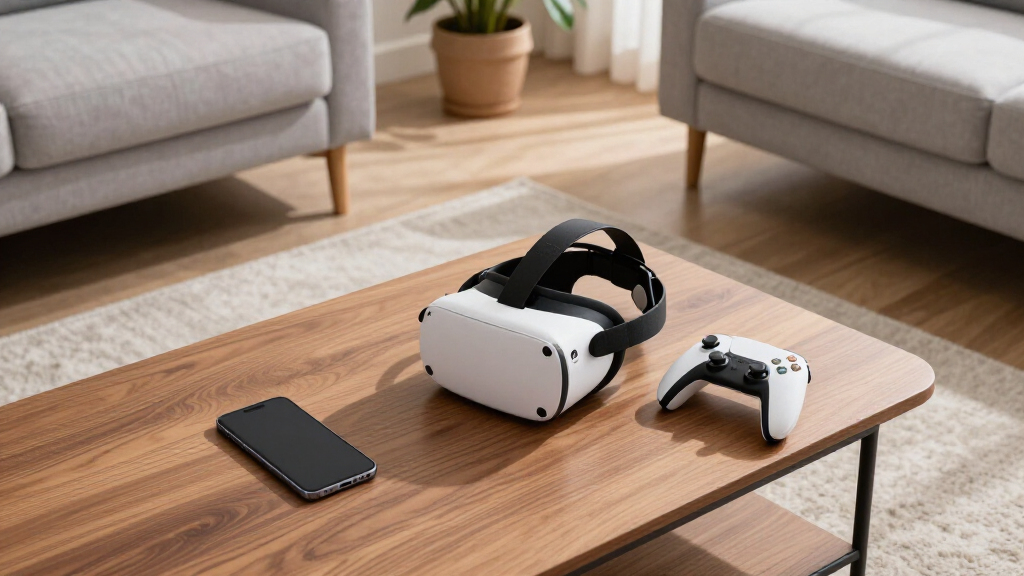
A noticeable increase in VR game ports has sparked discussions about a potential VR renaissance. While some claim this signals renewed interest, the actual impact and future remain uncertain.
The surge in VR ports across various gaming platforms over recent months has prompted widespread discussion about whether virtual reality is experiencing a renaissance. While the number of titles being ported to VR has increased, industry experts caution that the true extent of a revival remains uncertain.
Over the past few months, several popular gaming titles originally released on PC and consoles have been ported to VR platforms such as Oculus Quest, HTC Vive, and PlayStation VR. This trend has been observed across multiple genres, including action, adventure, and simulation. According to data from VR platform analytics, the number of VR ports has doubled compared to the same period last year.
Industry commentators and developers have expressed mixed opinions. Some see this as a sign of growing confidence in VR’s commercial viability, citing increased hardware sales and improved user engagement. Others warn that many of these ports are remasters or adaptations of older titles, and question whether this indicates a genuine industry-wide resurgence or a temporary spike in porting activity.
Attribution from r/virtualreality suggests that while the trend is notable, it is too early to determine if it signifies a sustained revival or merely a short-term phenomenon driven by existing demand for familiar titles in VR.
Potential Indicators of a VR Industry Revival
The increase in VR ports could signal renewed interest and investment in virtual reality technology, which has faced challenges such as high hardware costs and limited content diversity. If this trend continues, it might lead to broader adoption and more innovative experiences in VR gaming and beyond. However, without confirmation of sustained growth or new hardware breakthroughs, it remains uncertain whether this is a true renaissance or a temporary trend.
As an affiliate, we earn on qualifying purchases.
Recent Trends in VR Content Expansion
VR technology has been around for over a decade, but mainstream adoption has been slow. Recent years saw a lull in major new releases, with most activity centered on hardware improvements and smaller-scale titles. The current wave of ports, including popular titles like Skyrim VR and Resident Evil 4 VR, suggests that publishers are testing the waters for VR’s potential as a mainstream platform. Historically, ports have served as a way to extend the lifespan of existing titles, but the volume and variety now emerging point to a possible shift in industry strategy.
In addition, recent hardware sales data indicates an uptick in VR headset sales, particularly after price reductions and new headset launches, which could be fueling increased porting activity. However, some analysts note that the VR market still remains a niche compared to traditional gaming platforms.
As an affiliate, we earn on qualifying purchases.
Unconfirmed Signs of a True VR Revival
It is not yet clear whether the current increase in VR ports will lead to sustained growth in the industry or if it is simply a short-term spike driven by existing demand for familiar titles. Industry insiders remain divided on whether this trend will translate into broader market expansion or if VR will continue to struggle with hardware costs and content diversity.
As an affiliate, we earn on qualifying purchases.
Future Developments and Industry Confirmation
Monitoring upcoming VR releases and hardware sales will be key to assessing whether this trend continues. Industry reports and developer statements over the next six to twelve months will clarify if VR is entering a new growth phase or if the current activity remains a temporary phenomenon. Additionally, announcements of new VR-exclusive titles or hardware innovations could further influence industry momentum.
As an affiliate, we earn on qualifying purchases.
Key Questions
Are VR ports a sign of a VR industry comeback?
While the increase in VR ports suggests growing interest, it is too early to confirm a full industry revival. The trend may indicate cautious optimism rather than a definitive comeback.
Which genres are most represented in the recent VR porting trend?
Action, adventure, and simulation are the most common genres being ported to VR, including popular titles like Skyrim VR and Resident Evil 4 VR.
Does the increase in VR ports mean more new VR content?
Not necessarily. Many recent ports are remasters or adaptations of existing titles, and the overall volume of new, original VR content remains limited.
How are hardware sales influencing the VR port trend?
Recent hardware sales increases, especially after price drops and new headset launches, are likely encouraging publishers to port more titles to VR, aiming to capitalize on growing user numbers.
What are the main challenges facing VR’s growth despite this trend?
High hardware costs, limited content diversity, and the niche market size continue to challenge VR’s expansion beyond early adopters.
Source: r/virtualreality
Fall Picks
fall essentials
As an affiliate, we earn on qualifying purchases.