
TL;DR
Meta’s Ray-Ban smart glasses have introduced a usage cap unless users pay, sparking concerns about potential paywalls for AI features. This raises questions about access and monetization strategies.
Meta’s Ray-Ban smart glasses have implemented a usage cap that limits access to certain AI features unless users pay, according to reports. This development has raised concerns about whether Meta will introduce paywalls for other AI-driven functionalities in its wearable devices, impacting user access and the company’s monetization approach.
Meta’s Ray-Ban smart glasses, which include features powered by AI, are now subject to a usage limit unless users purchase additional access. The company has not officially announced a broad paywall policy but has introduced a cap that restricts free usage of AI features, according to reports from users and industry observers.
While Meta has previously marketed the glasses as offering augmented reality and AI capabilities, the recent change suggests a shift toward monetization strategies that could restrict access unless paid. The company has not provided detailed statements about future plans or whether other AI features will follow this paywall model.
This move has sparked debate among users and industry watchers about the implications for user trust and the accessibility of AI technology embedded in wearable devices.
Potential Impact of Paywall on User Trust and AI Access
This development raises questions about **Meta’s approach to monetizing AI features** in wearable devices, which could influence user trust and adoption. If AI functionalities become paywalled, it may limit the accessibility of innovative features for many users and affect the perceived value of the product. The move also signals a broader trend of tech companies exploring revenue models that prioritize paid access over free use, impacting the future landscape of AI-enabled wearables.
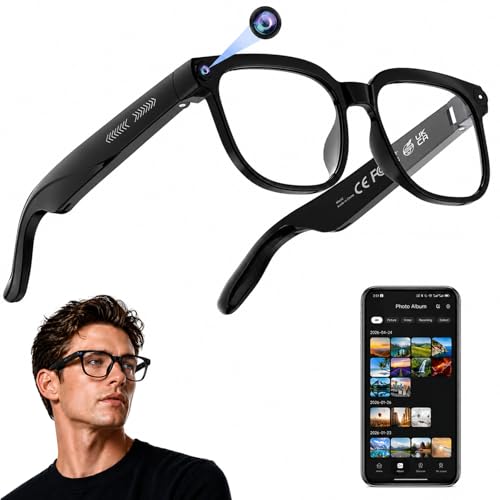
AI Smart Glasses with Camera, 4K HD Video & Photo Capture, Real-Time Translation, Recording Glasses with AI Assistant, Open-Ear Audio, Object Recognition, Bluetooth, for Travel (Transparent Lens)
- AI Real-Time Translation: Instant language translation with ChatGPT support
- 4K Video & Photo Capture: High-definition recording and photography from first-person view
- Open-Ear Audio & Calls: Bluetooth music and hands-free calls with open-ear design
As an affiliate, we earn on qualifying purchases.
As an affiliate, we earn on qualifying purchases.
Background on Meta’s AI Glasses and Monetization Strategies
Meta introduced its Ray-Ban smart glasses with AI features, including augmented reality and voice assistants, as part of its push into wearable technology. Historically, Meta has promoted these glasses as accessible, innovative tools for everyday use. However, recent reports indicate a shift toward restricting free access through usage caps, aligning with broader industry trends of monetizing digital features. This follows a pattern seen in other tech products where companies introduce paywalls after initial free offerings, raising concerns about user trust and long-term access.
“If users begin to perceive AI features as paywalled, it could diminish trust and slow adoption of these devices.”
— tech industry observer

HiBloks 2Pcs Adjustable Eyeglass Strap for Ray-Ban Meta Gen 2 Smart Glasses
- Perfect Compatibility: Designed for various Ray-Ban and Meta glasses
- Versatile Use: Suitable for indoor and outdoor activities
- Adjustable Length: Fits 8-15 inches for a secure fit
As an affiliate, we earn on qualifying purchases.
As an affiliate, we earn on qualifying purchases.
Unclear Future of AI Feature Accessibility and Paywall Plans
It is not yet confirmed whether Meta plans to implement paywalls for all AI features in its glasses or if the current usage cap is a temporary measure. The company’s official stance on future monetization strategies remains undisclosed, and industry experts are uncertain about how widespread or permanent these restrictions will become.

4K AI Smart Glasses with Camera, Bluetooth Call & Translation for Men Women
- Language Translation: Supports 130+ languages with fast response
- Real-Time Conversation Modes: Face-to-face, interpretation, and recording modes
- HD Camera: 8MP video recording with image stabilization
As an affiliate, we earn on qualifying purchases.
As an affiliate, we earn on qualifying purchases.
Next Steps in Meta’s AI Wearable Strategy and User Response
Meta is expected to clarify its plans regarding AI feature access in the coming months. Monitoring official statements and user feedback will be key to understanding whether this is a limited trial or a broader shift toward paid access. Additionally, industry analysts will watch for any new policies or updates that could redefine the user experience and trust in Meta’s wearable devices.

Wearable Voice Activated AI Recorder with Transcription & Fitness Tracker
- AI Transcription with Speaker Labels: Converts speech to text in 109 languages
- High-Quality Recording: Clear audio with noise reduction for meetings and interviews
- Stable Bluetooth 5.3 Connection: Ensures reliable pairing during recordings
As an affiliate, we earn on qualifying purchases.
As an affiliate, we earn on qualifying purchases.
Key Questions
Will Meta make all AI features paywalled in the future?
It is currently unclear if Meta intends to paywall all AI functionalities or only certain features. The company has not officially announced comprehensive plans.
How does this change affect current Ray-Ban smart glasses users?
Users now face a usage cap on AI features unless they pay, which could limit functionality and impact user satisfaction.
Is this move unique to Meta or part of a broader industry trend?
Similar monetization strategies are emerging across tech companies, but Meta’s specific approach remains to be fully clarified.
Could this impact the adoption of AI-enabled wearables overall?
Potentially, if users perceive AI features as paywalled, it might reduce interest and trust in such devices.
When will Meta provide official details about its monetization plans?
There is no confirmed timeline; industry observers expect updates in the coming months.
Source: rss