
TL;DR
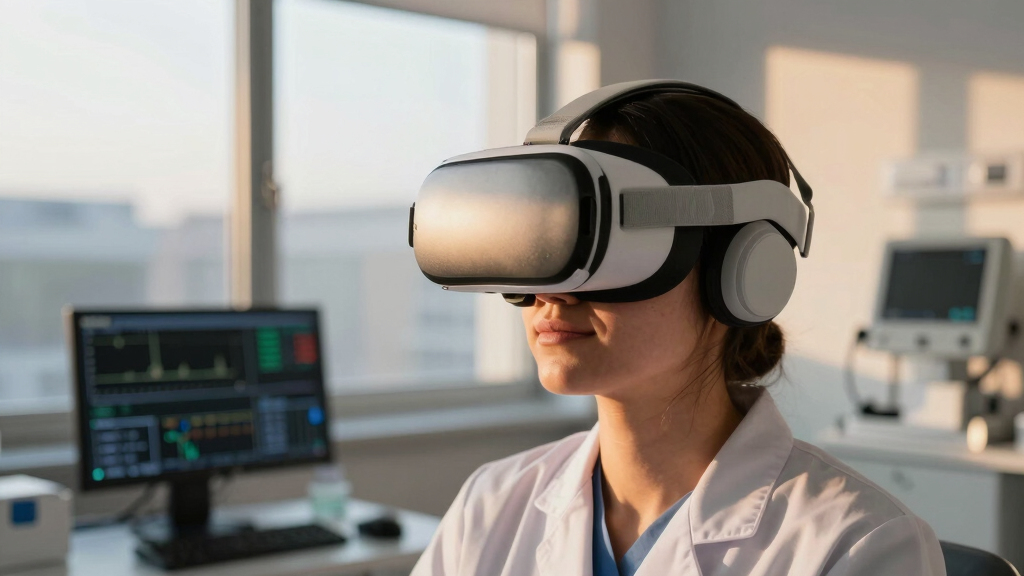
The Captain James A. Lovell Federal Health Care Center is set to begin using virtual reality technology to treat post-traumatic stress disorder (PTSD) in veterans. The VR system was donated by nonprofit SoldierStrong. This development aims to improve mental health outcomes for service members.
The Captain James A. Lovell Federal Health Care Center has announced plans to incorporate virtual reality therapy for treating post-traumatic stress disorder (PTSD) among veterans. The VR system was donated by nonprofit SoldierStrong, marking a significant step in mental health care innovation for military personnel.
According to the center, the virtual reality technology will be used to simulate real-life scenarios, helping veterans confront and manage trauma symptoms in a controlled environment. The initiative is expected to begin within the next few months, pending final setup and staff training.
SoldierStrong, the nonprofit behind the donation, has previously supported various veteran health projects, and this latest contribution aims to enhance mental health treatment options. The VR system is designed to supplement existing therapy methods, offering immersive experiences tailored to individual needs.
Officials from the health center have emphasized that this approach could improve treatment engagement and effectiveness, especially for veterans who have not responded well to traditional therapy. The program will be closely monitored to evaluate its impact and scalability.
Potential Impact on Veteran PTSD Treatment
This initiative could significantly improve mental health outcomes for veterans suffering from PTSD, providing a new tool that enhances engagement and therapeutic effectiveness. If successful, it may lead to broader adoption of VR-based therapies across other VA facilities, transforming how PTSD is treated in military populations.
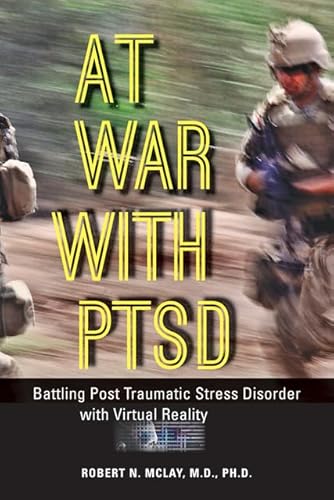
At War with PTSD: Battling Post Traumatic Stress Disorder with Virtual Reality
As an affiliate, we earn on qualifying purchases.
As an affiliate, we earn on qualifying purchases.
Background on VR and PTSD Treatments in VA Facilities
Virtual reality therapy has been explored in various clinical settings as a means to treat PTSD, with some studies indicating positive results. The Department of Veterans Affairs has been gradually integrating innovative technologies, but widespread adoption remains limited. This development at the Lovell Center represents one of the more substantial steps toward mainstream implementation.
SoldierStrong has donated VR systems to multiple veteran organizations, aiming to modernize mental health care and improve access to effective treatments. The use of VR in PTSD therapy is still evolving, with ongoing research assessing its long-term benefits and best practices.
“This new VR program could be a game-changer in how we approach PTSD treatment for our veterans.”
— an anonymous VA official

REALITEX 3D VR Headset for Kids + Android Remote – for iPhone & Android Phones | with 3D VR Videos & Apps Links | Virtual Reality Goggles Set for Beginners
Compatibility – Realitex VR headset for iPhone & Android fits more phone models than any other VR model
As an affiliate, we earn on qualifying purchases.
As an affiliate, we earn on qualifying purchases.
Uncertainties Surrounding VR Implementation and Effectiveness
It is not yet clear how quickly the VR system will be fully integrated into clinical practice or how effective it will prove in the long term. The program is still in the early stages, and data on outcomes will take time to collect and analyze.
Further questions remain about the scalability of VR therapy across other VA centers and whether it will be suitable for all PTSD patients.

QuickMind® VR Assessment & Rehab Subscription, Included VR Headset (Enterprise)
Cognitive Health System: QuickMind is a revolutionary VR-based cognitive health system, effective screening and personalized rehabilitation. It leverages…
As an affiliate, we earn on qualifying purchases.
As an affiliate, we earn on qualifying purchases.
Next Steps for VR PTSD Program Deployment
The Lovell Center plans to finalize setup and staff training within the next few months. Following initial implementation, the center will monitor patient outcomes and gather data to assess effectiveness. If results are positive, broader adoption across VA facilities may be considered.
Additional research and collaboration with mental health experts will likely guide future enhancements to the VR therapy program.

Simulation Survivor VR Veteran Retro Wings Emblem Gaming Comfort Colors Adult Sweatshirt
The perfect gift for VR gamers, tech enthusiasts, and computer programmers who love simulation technology. Great for sci-fi…
As an affiliate, we earn on qualifying purchases.
As an affiliate, we earn on qualifying purchases.
Key Questions
How will VR therapy help veterans with PTSD?
VR therapy simulates real-life scenarios in a controlled environment, helping veterans confront trauma triggers safely and build coping skills. It aims to increase engagement and improve treatment outcomes.
When will the VR program be available to patients?
The program is expected to start within the next few months, after final setup and staff training are completed at the Lovell Center.
Is VR therapy proven effective for PTSD?
While initial studies show promising results, comprehensive data on long-term effectiveness is still being collected. The Lovell Center’s program will contribute to ongoing research.
Will this technology be used at other VA facilities?
It is not yet confirmed, but if the program demonstrates success, broader adoption across other VA centers is possible in the future.
Source: rss