
TL;DR
This article details the confirmed development of Godot’s VR capabilities, including shipping a VR version and porting to PSVR2. It highlights the technical efforts, costs, and ongoing challenges, with insights from developer Claire. Key uncertainties remain around future support and platform-specific issues.
Godot has officially shipped a commercial VR version, with porting efforts underway for PlayStation VR2. This marks a significant milestone for the open-source engine, despite notable technical and financial challenges, according to developer Claire in her recent talk at Develop Brighton 2026. The project involved substantial investment and engineering work, demonstrating that Godot can support commercial VR projects on major platforms.

Play games on Amazon Luna for your next adventure, included with Prime
- A rotating selection of games, no download needed
- Play on TV, laptop or phone
- Fast, free delivery for your gear, too
Claire disclosed that shipping Godot VR required approximately £80,000 in early adopter costs, primarily for engine modifications that would not be necessary on other engines like Unity. The VR version is currently in early access, with functional support for VR hardware, including PSVR2, but still facing some technical hurdles.
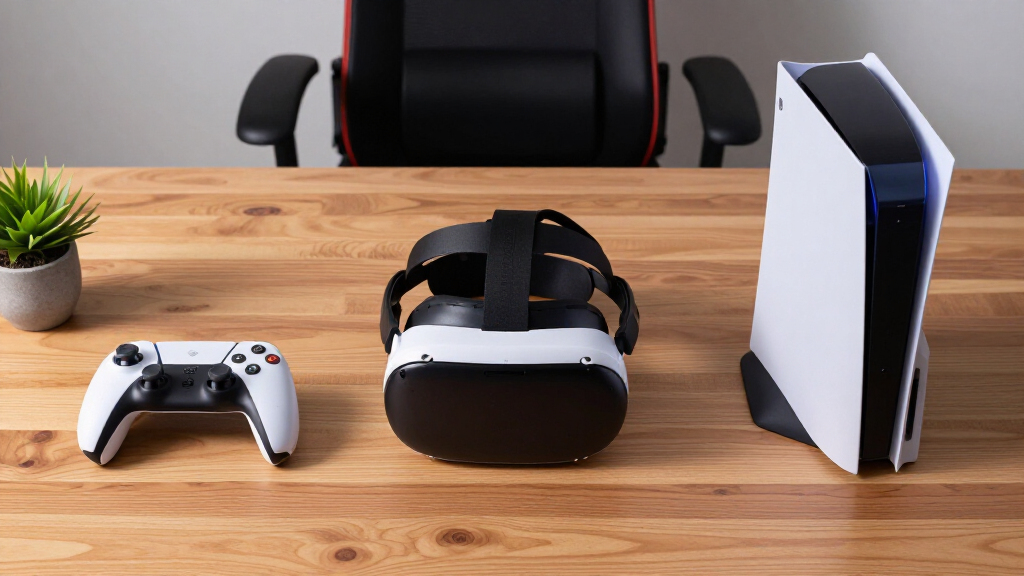
Porting to PlayStation VR2 involved a community effort led by developers George Marques and André Ewald, with additional work from Claire herself, including the development of a new render server for version 4.7 of Godot. This was necessary due to missing features and performance issues in earlier versions, which delayed the project. The process highlighted the need for platform-specific optimizations and engineering resources.
Claire emphasized that while Godot can support commercial VR, the costs and effort are significant, especially for console ports. She also noted that other developers have successfully used Godot for VR projects, but the community porting ecosystem remains less mature compared to Unity or Unreal. The current support is considered early access, with ongoing improvements expected.
Implications for Open-Source and Indie VR Developers
This development demonstrates that open-source engines like Godot can support commercial VR projects, including on major platforms like PlayStation VR2. However, the high initial costs and technical complexity serve as a barrier for smaller teams. The progress also highlights the importance of dedicated platform support and community collaboration for wider adoption. For developers, this signals that with sufficient resources, Godot can be a viable option for VR, but still requires investment and technical expertise.
Products Worth Considering

Anker SOLIX S2000 Portable Power Station, 2,010Wh, 1,500W

EcoFlow DELTA 3 Portable Power Station, 1024Wh, 1800W

Jackery Explorer 2000 v2 Portable Power Station, 2042Wh, 2200W
As an affiliate, we earn on qualifying purchases.
Background on Godot’s VR Development and Platform Challenges
Godot has been steadily improving its VR capabilities over recent years, with community-led efforts and developer contributions. Previous attempts to support VR faced limitations due to missing features and performance issues, especially on high-end hardware like PSVR2. The recent work, including rewriting parts of the engine such as the render server, was driven by the need to meet the demands of commercial-grade VR applications.
Historically, open-source engines like Godot have lagged behind proprietary engines in platform support, particularly for console VR. The community’s efforts, combined with developer investments, are gradually closing this gap, but challenges remain, especially in optimizing performance and integrating platform-specific features.
Claire’s talk also referenced prior projects and the broader context of VR development, noting that early VR support in Godot was more experimental, but recent milestones show tangible progress towards production readiness.
“Shipping Godot VR required roughly £80,000 in early adopter costs, mainly for engine modifications that Unity users wouldn’t need.”
— Claire
Unresolved Questions About Future Support and Ecosystem
It is not yet clear how much further engine improvements will reduce the costs of VR porting in Godot or how the community ecosystem will evolve to support more seamless platform integration. The extent of official platform support and the potential for broader industry adoption remain uncertain, as ongoing development continues.
Next Steps for Godot VR Development and Community Engagement
Further engine updates, including optimization of the render server and platform-specific features, are expected in upcoming releases. The community is likely to continue collaborating on porting efforts, with additional support for PSVR2 and other hardware. Developers interested in VR should monitor future releases and participate in community discussions to contribute to the ecosystem’s growth.
Key Questions
Can Godot be used for commercial VR projects now?
Yes, but it requires significant investment, including costs similar to the initial £80,000 in engine modifications, and technical expertise to optimize for hardware like PSVR2.
What are the main technical challenges in porting Godot to PSVR2?
The main challenges include missing features in earlier engine versions, performance optimization, and developing a new render server for version 4.7 to meet platform requirements.
Will Godot support other VR headsets in the future?
Support for additional headsets depends on community efforts and ongoing engine development, but there is active interest in expanding hardware compatibility.
How mature is Godot’s VR ecosystem compared to Unity or Unreal?
Godot’s VR ecosystem is less mature, with fewer dedicated tools and community resources, but recent progress indicates it is moving toward production readiness.
What is the significance of this development for indie developers?
It shows that open-source engines can support high-end VR projects, but the required effort and costs are barriers for smaller teams. Collaboration and engine improvements are key to broader adoption.
Source: Hacker News