TL;DR

Play games on Amazon Luna for your next adventure, included with Prime
- A rotating selection of games, no download needed
- Play on TV, laptop or phone
- Fast, free delivery for your gear, too
Virtual reality platforms are increasingly hosting Christian services and evangelism efforts. While some claim VR can accelerate spiritual outreach, experts emphasize the need for more evidence. The development signals a shift in religious engagement but remains in early stages.
Christian groups are actively hosting religious services and evangelism activities within virtual reality platforms, marking a novel approach to faith outreach. This development has attracted attention for its potential to expand religious engagement beyond traditional settings, with some claiming VR could accelerate the spread of Christianity. Learn more about digital evangelism in VR.
Multiple Christian organizations have launched virtual reality (VR) services, utilizing platforms like Oculus and other immersive environments to conduct worship sessions, prayer meetings, and evangelism events. These efforts aim to reach younger and tech-savvy audiences who frequent digital spaces. According to reports, some participants find VR services more engaging than conventional online streams, citing the immersive experience as a key advantage.
Experts and church leaders are divided on the potential impact. An anonymous researcher mentioned that VR could offer new avenues for spiritual connection, but emphasized that there is limited empirical data on its effectiveness for evangelism. For related initiatives, see the museum’s virtual reality projects. Critics caution that VR is still a nascent technology with accessibility barriers and questions about long-term engagement.
While some claim VR evangelism can foster faster dissemination of Christian teachings, there is no verified evidence yet that it significantly accelerates religious conversion or outreach compared to traditional methods. The trend is still in its early phases, with trials and pilot programs ongoing. Explore more about VR projects in cultural institutions.
Digital Evangelism: Can Christianity Spread Faster in Virtual Reality?
Christian groups are bringing worship, prayer and outreach into immersive platforms. Virtual presence may deepen participation and cross geographic borders—but evidence that it accelerates conversion or long-term religious engagement remains limited.
From watching a service to feeling present inside one
Immersive spaces add embodiment, spatial audio and live social interaction to digital worship. These qualities may help virtual congregations feel more like communities than audiences.
Shared virtual space
Avatars can gather, move, speak and respond together, creating a stronger sense of “being there” than conventional video.
Geography dissolves
People separated by distance, mobility constraints or social anxiety can enter the same worship environment from home.
Digital-native reach
VR outreach meets younger and technology-oriented audiences inside environments where they already socialize and explore.
How virtual participation might become lasting faith engagement
The crucial test is whether initial curiosity progresses into trust, belonging and sustained participation—not simply whether an avatar attends once.
Discovery
Platform event or invitationImmersion
Worship, teaching or prayerConnection
Conversation and relationshipsBelonging
Repeat attendance and communityFormation
Long-term spiritual practiceCurrent strength of evidence
Conceptual evidence scale based on the maturity and consistency of claims described in available reporting—not measured percentages.
VR’s advantage is depth of presence—not universal access
Each format solves a different outreach problem. VR stands out for immersion, while physical gatherings retain embodied community and mainstream digital channels maximize accessibility.
| Dimension | Physical church | VR service | Livestream | Social media |
|---|---|---|---|---|
| Sense of presence | ✓ Very high | ✓ High | ~ Moderate | ✗ Low |
| Geographic reach | ✗ Local | ✓ Global | ✓ Global | ✓ Global |
| Equipment barrier | ~ Travel | ✗ Headset + broadband | ✓ Low | ✓ Very low |
| Live social interaction | ✓ Natural | ✓ Interactive | ~ Limited | ~ Fragmented |
| Proven long-term formation | ✓ Established | ✗ Unknown | ~ Mixed | ✗ Weak |
| Best current role | Core community | Immersive supplement | Remote access | Discovery and awareness |
Assessment reflects the qualitative strengths, limits and evidence gaps described in the source material. Outcomes vary by community, platform and program design.
The headset is only the first barrier
Technical access matters, but sustainable ministry also requires moderation, pastoral care, trust and a credible bridge between virtual participation and everyday life.
What researchers and churches should trace
Visits, event discovery and first-time attendance.
Conversation, prayer requests and active participation.
Repeat visits, relationships and community continuity.
Long-term belief, practice, service and belonging.
VR basics and digital platform guides
Updated July 2026Potential of Virtual Reality to Transform Religious Outreach
This development could reshape how religious organizations engage with followers and newcomers, especially among younger demographics increasingly immersed in digital environments. If proven effective, VR evangelism might complement or even replace some traditional outreach methods, expanding the reach of Christianity globally. However, the technology’s novelty and current limitations mean its long-term impact remains uncertain.
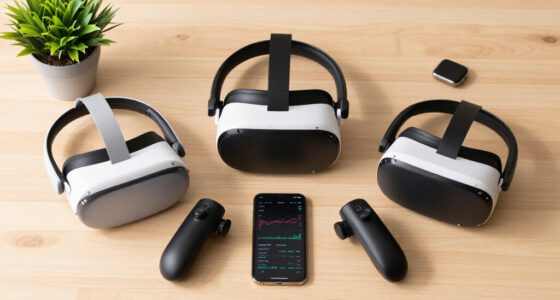
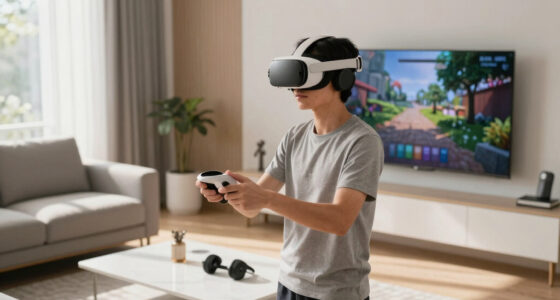
VR headset for religious virtual reality
As an affiliate, we earn on qualifying purchases.
As an affiliate, we earn on qualifying purchases.
Emergence of Digital Evangelism in Virtual Spaces
Over the past few years, religious groups have increasingly adopted digital tools for outreach, including live streaming and social media. The use of virtual reality represents the latest evolution, with some organizations experimenting with immersive environments to simulate church services and community gatherings. This trend aligns with broader shifts toward digital engagement accelerated by the COVID-19 pandemic, which pushed many faith communities online.
Historically, evangelism has relied on face-to-face interaction, but technological advances have opened new avenues. VR offers a sense of presence and community that traditional online videos lack, prompting some to see it as a promising frontier for faith outreach. However, this approach remains experimental, with limited data on its effectiveness or acceptance among diverse populations.
“VR could offer new avenues for spiritual connection, but we lack concrete data on its impact for evangelism.”
— an anonymous researcher
As an affiliate, we earn on qualifying purchases.
Unverified Claims and Technological Limitations of VR Evangelism
While initial reports suggest VR can enhance engagement, there is no verified evidence that it accelerates the spread of Christianity or converts. The effectiveness of VR evangelism compared to traditional methods remains unproven. Accessibility issues, such as the cost of VR equipment and technological literacy, may limit its reach. Furthermore, long-term user engagement and spiritual impact are still unknown, and ongoing studies are needed to assess these factors.
As an affiliate, we earn on qualifying purchases.
Monitoring Effectiveness and Adoption of VR Religious Services
Researchers and religious organizations plan to conduct studies measuring engagement levels, conversion rates, and community building within VR environments. Larger-scale pilot programs are expected in the coming months, aiming to assess the viability of VR as a primary evangelism tool. Additionally, technological improvements and increased accessibility could influence adoption rates. Observers will watch for data supporting or challenging VR’s role in accelerating Christian outreach.
As an affiliate, we earn on qualifying purchases.
Key Questions
Can virtual reality replace traditional church services?
Currently, VR is seen as a supplement rather than a replacement, offering new ways to engage but not fully replacing in-person gatherings.
Is VR evangelism effective for converting new followers?
There is no conclusive evidence yet; early reports suggest increased engagement but not necessarily higher conversion rates.
What are the barriers to widespread VR religious services?
Cost of equipment, technological literacy, and access to high-speed internet are significant barriers at present.
Will VR become a mainstream tool for religious outreach?
Its future depends on ongoing effectiveness studies, technological advancements, and user acceptance, which are still emerging.
Source: rss
Evergreen bestsellers Picks
bestsellers
As an affiliate, we earn on qualifying purchases.