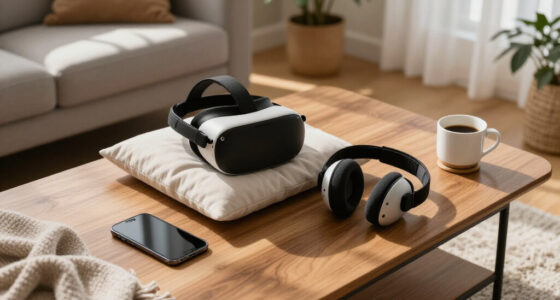
Finding a VR headset that comfortably fits glasses can be a real challenge. In 2026, the Meta Quest 3 and Meta Quest 3S stand out as top contenders, each offering impressive features designed to accommodate glasses wearers. The Meta Quest 3 provides a high-resolution, untethered experience with a generous 512GB of storage, but its bulkier design might be a consideration for those with larger glasses or limited space. Conversely, the Meta Quest 3S offers a more affordable, slightly smaller option with a renewed build, though it still packs powerful graphics in a wireless package. Both models deliver smooth performance, but they come with tradeoffs like battery life limitations and price points that vary based on storage and condition. Here’s a detailed look to help you decide which fits your needs best.

Get VR and gaming gear delivered free — and shop member deals
- Fast, free delivery on millions of items
- Access to Prime Big Deal Days deals on October 6–7
- Prime Video, Amazon Music and more included
Complete the kit

Key Takeaways
- The Meta Quest 3 offers higher resolution and more storage but can be bulkier and pricier.
- The Meta Quest 3S is a more affordable, renewed option suitable for casual or budget-conscious users.
- Both headsets are wireless with dual RGB cameras, making them suitable for glasses wearers, but battery life remains a common limitation.
- Comfort and fit depend on your glasses size and personal preferences, with the Quest 3 generally providing a slightly more spacious fit.
- The choice hinges on balancing performance, storage, budget, and how much space you have for comfortable wearing.
| Meta Quest 3 512GB Virtual Reality Headset with Gorilla Tag Bundle |  | Best Overall for Performance and Storage | Storage Capacity: 512GB | Memory: 8GB RAM | Battery Life: 2+ hours | VIEW ON AMAZON | See Our Full Breakdown |
| Meta Quest 3S 128GB Virtual Reality VR Headset (Renewed Premium) |  | Best Value for Budget-Conscious Glasses Wearers | Storage: 128GB | Battery Life: 2+ hours | Memory: 8GB RAM | VIEW ON AMAZON | See Our Full Breakdown |
| vr headsets for glasses wearer | Memory | Battery Life | Processor | Cameras |
|---|---|---|---|---|
| Meta Quest 3 512GB Virtual Rea | 8GB RAM | 2+ hours | Snapdragon XR2 Gen 2 | Dual RGB color cameras |
| Meta Quest 3S 128GB Virtual Re | 8GB RAM | 2+ hours | Snapdragon XR2 Gen 2 | Dual RGB color cameras |
More Details on Our Top Picks
Meta Quest 3 512GB Virtual Reality Headset with Gorilla Tag Bundle
The Meta Quest 3 stands out for its stunning 4K+ display and high processing power, making it ideal for immersive VR experiences. Its wireless design means no tangled cables, which is a plus for glasses wearers who value freedom of movement. The headset’s spacious fit and adjustable straps help accommodate larger glasses, but its bulkier build might cause discomfort for some after extended sessions. The 512GB storage ensures you’ll have plenty of space for games and apps, yet this feature comes at a higher price point. Compared with the Quest 3S, it provides better visual fidelity and more storage, making it the top pick for serious VR enthusiasts who prioritize performance and don’t mind the size.
Pros:- High-resolution graphics with 4K+ display
- Wireless and untethered for maximum freedom
- Large 512GB storage capacity
- Includes exclusive bundle items and game trial
Cons:- Bulkier design may be less comfortable for prolonged wear
- Battery life around 2 hours can be limiting
- Higher cost due to advanced features
Best for: Power users seeking high-resolution graphics and ample storage.
Not ideal for: Users looking for a lightweight, budget-friendly option or with very small glasses.
- Storage Capacity:512GB
- Memory:8GB RAM
- Battery Life:2+ hours
- Display:4K+ Infinite Display
- Processor:Snapdragon XR2 Gen 2
- Cameras:Dual RGB color cameras
Our verdict“Best suited for dedicated VR users who prioritize visual quality and storage, and can accommodate a slightly bulkier headset.”
Meta Quest 3S 128GB Virtual Reality VR Headset (Renewed Premium)
The Meta Quest 3S offers a compelling package for those who want a wireless VR headset without paying top dollar. Its 128GB storage is enough for a solid library of titles, and its Snapdragon XR2 Gen 2 processor with 8GB RAM ensures smooth performance. The renewed condition makes it more accessible, though it might come with minor cosmetic signs of use. Its design is slightly more compact, which can be advantageous for glasses wearers with smaller frames, but it still maintains good space for larger glasses. Battery life remains at around 2 hours, similar to the higher-end model, and it provides access to over 40 games, making it perfect for casual users and newcomers.
Pros:- Wireless and untethered for freedom of movement
- Affordable renewed option
- Good performance with Snapdragon XR2 Gen 2
- Access to over 40 games with trial
Cons:- Limited storage at 128GB, less room for apps
- Battery life still around 2 hours, requiring charging
- Refurbished condition may affect longevity
Best for: Budget-conscious users seeking a reliable wireless VR experience without sacrificing performance.
Not ideal for: Power users who need extensive storage or the latest high-res visuals.
- Storage:128GB
- Battery Life:2+ hours
- Memory:8GB RAM
- Processor:Snapdragon XR2 Gen 2
- Cameras:Dual RGB color cameras
Our verdict“A solid, budget-friendly choice for glasses wearers wanting a wireless VR setup with decent performance.”

How We Picked
Our selection process focused on key factors that matter most to glasses wearers: adjustable fit and comfort, headsets’ design accommodating glasses, display quality, battery life, and overall value. We compared the latest models from Meta, known for their accessible wireless VR, emphasizing real-world tradeoffs like bulkiness, price, and performance. We prioritized models with detailed specifications, user feedback, and compatibility with glasses to offer a balanced review tailored to those who wear spectacles regularly.
Factors to Consider When Choosing Vr Headsets For Glasses Wearers
Choosing a VR headset as a glasses wearer involves balancing comfort, visual clarity, and usability. The best models will feature adjustable straps, spacious eye boxes, and lenses that minimize the need to remove glasses. Battery life and weight are also key considerations, especially for longer sessions. Here, I highlight what to look for to ensure a comfortable and immersive experience regardless of your glasses style or budget.Comfort and Fit
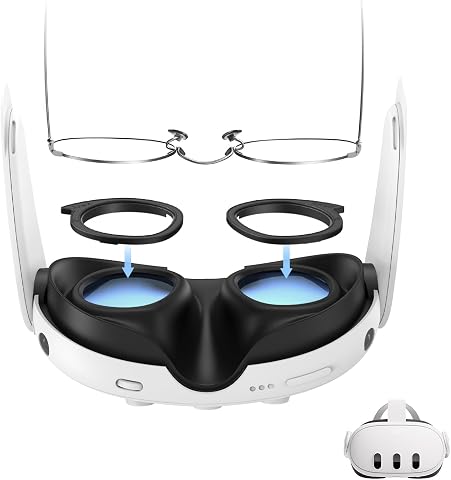
Look for headsets with adjustable straps and a spacious eye box designed to accommodate glasses comfortably. Some models offer specific glasses inserts or larger facial pads that reduce pressure on your frames. Weight distribution matters, as a heavier headset can cause discomfort over time, especially if your glasses are bulkier. Always consider how adjustable and forgiving the headset design is for your specific glasses size and shape.
Display and Visual Quality
High-resolution displays with wider eye relief help glasses wearers see a clearer, more immersive image without the need for glasses removal. Features like anti-distortion lenses or adjustable interpupillary distance (IPD) can improve clarity and reduce eye strain. The more space you have between your glasses and the lenses, the better your overall experience—especially important for those with thicker frames.
Battery Life and Portability
Wireless VR headsets that last at least 2 hours per charge are preferable for extended use. Keep in mind that heavier or bulkier headsets may cause fatigue, so lightweight options are advantageous. If you plan to use your headset frequently, consider models with quick-charging features or replaceable batteries to extend playtime without inconvenience.
Frequently Asked Questions
Can I wear glasses with a VR headset?
Yes, many VR headsets are designed with glasses wearers in mind, featuring larger eye boxes, adjustable straps, and lens spacing options. Some models even include glasses inserts or spacer kits to improve comfort. However, fit can vary based on your glasses’ size and shape, so it’s essential to choose a headset known for accommodating spectacles comfortably.
What features make a VR headset comfortable for glasses wearers?
Comfortable headsets typically have adjustable straps, a spacious eye box, and lenses with adjustable IPD. Padding that gently contours around glasses and a design that distributes weight evenly also matter. Ensuring the headset’s design minimizes pressure points and provides enough space can prevent discomfort during longer sessions.
Is a higher-resolution display necessary for glasses wearers?
While not strictly necessary, higher-resolution displays improve visual clarity, which is especially beneficial for glasses wearers who want sharp images without squinting or distortion. A wider eye relief and anti-distortion lenses further enhance clarity, reducing eye strain and making VR more enjoyable.
How does battery life impact glasses wearers?
Battery life is critical for longer VR sessions, but many wireless headsets, including the Meta Quest models, offer around 2 hours per charge. For glasses wearers, longer sessions may require multiple charges or quick-charging accessories. Lightweight headsets with longer battery life help avoid fatigue and discomfort associated with prolonged use.
Are refurbished or renewed headsets a good option?
Refurbished headsets like the Meta Quest 3S can offer good value and performance at a lower price, but it’s important to buy from reputable sources to ensure quality. Minor cosmetic imperfections or slight wear might be present, but functionality usually remains intact. They can be a smart choice for casual users or those on a budget, provided warranty and return policies are clear.
Conclusion
For those who prioritize maximum visual fidelity and storage, the Meta Quest 3 is the best fit, especially if you have larger glasses or need more space and power. Budget-conscious buyers or casual users will find the Meta Quest 3S a reliable, more affordable option that still offers a solid wireless VR experience. If comfort and fit are your primary concerns, consider models with adjustable spacing and larger eye boxes, regardless of price. Ultimately, your choice depends on balancing your glasses size, comfort needs, and how much you’re willing to invest in your VR setup.
Fall Picks
fall essentials
As an affiliate, we earn on qualifying purchases.