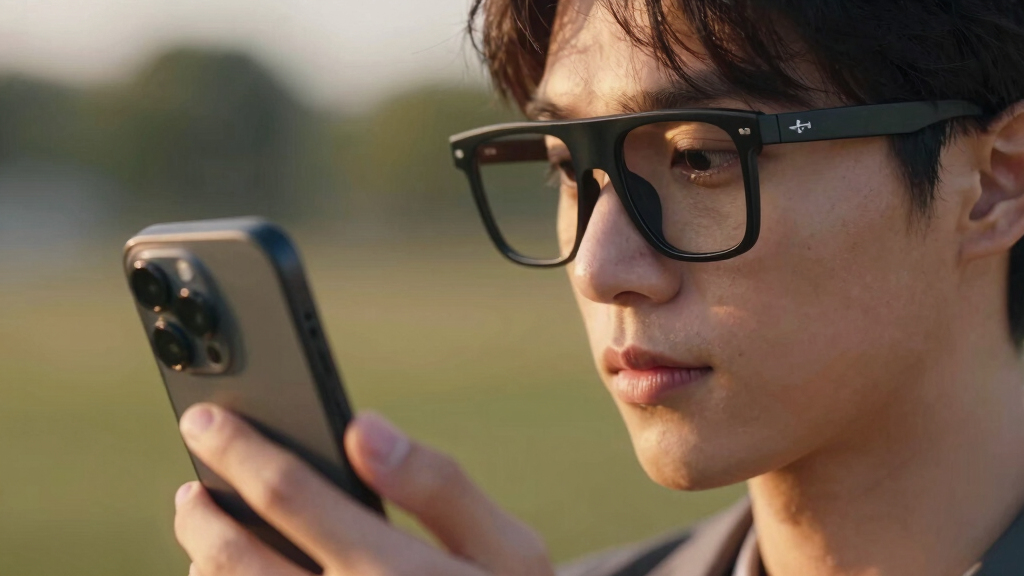

The best smart glasses for most buyers are the Ray-Ban Meta (Gen 2) Wayfarer because they balance familiar styling, camera features, open-ear audio, and everyday AI better than the rest of this lineup. The Meta Oakley HSTN stands out for buyers who want a sportier frame, while the XREAL 1S makes more sense for people who care most about a large virtual screen for media and gaming. The main choice is whether I want all-day wearable AI glasses or display-focused AR/XR glasses, since those are still very different product types. Camera quality, comfort, privacy cues, device compatibility, and price separate the strongest picks from the novelty options. Keep reading for the full breakdown of which models fit different buyers and which tradeoffs matter most.

Play games on Amazon Luna for your next adventure, included with Prime
- A rotating selection of games, no download needed
- Play on TV, laptop or phone
- Fast, free delivery for your gear, too
Key Takeaways
- Ray-Ban Meta Gen 2 models lead for everyday use because they look like normal glasses while adding AI, audio, calls, and camera tools without pushing buyers into a headset-like design.
- AR/XR glasses such as XREAL, VITURE, and RayNeo are better for screens than social capture, so they suit gaming, travel, and media more than hands-free photos or live translation.
- Oakley Meta models fill the sport and outdoor lane, with the HSTN and Vanguard making more sense for active buyers than the more fashion-focused Ray-Ban Meta frames.
- Generic AI camera glasses compete on feature lists, not polish; they may offer 4K recording or object recognition, but brand ecosystem, privacy signaling, app support, and fit are bigger buyer risks.
- The best premium pick is not automatically the best overall pick; display glasses can feel more advanced, but everyday smart glasses win when they are comfortable, subtle, and useful outside the couch or desk.


| smart glasse | Audio | Camera |
|---|---|---|
| Meta Oakley HSTN Smart AI Glas | Open-ear Bluetooth speakers | 12 MP |
| AI Smart Glasses with Camera | Open-ear audio for calls and music | 4K HD video and photo capture |
| Meta Ray-Ban | Open-ear speakers | 12 MP |
| RayNeo Air 4 Pro Batman Limite | Bang & Olufsen quad speakers | — |
| Meta Adventurer Classic Black | — | 12 MP |
| VITURE Beast XR/AR Glasses | — | — |
| Meta Fury Sandstone Smart AI G | Open-ear speakers | 12MP |
| Ray-Ban Meta | Open-ear speakers | 12MP ultra-wide |
| RayNeo Air 4 Pro AR/XR Glasses | Bang & Olufsen 360° spatial sound | — |
| XREAL 1S AR/XR Glasses | Bose co-developed speakers | — |
| Oakley Meta Vanguard White Sma | — | — |
| Meta Ray-Ban Gen 2 Headliner S | Open-ear speakers | 12 MP ultra-wide |
| AI Smart Glasses with Camera | — | 8MP HD |
| RayNeo Air 3s AR/XR Glasses | Dual opposing acoustic chambers | — |
| Ray-Ban Meta Gen 1 Wayfarer Sm | Open-ear speakers | 12 MP ultra-wide |
More Details on Our Top Picks
Meta Oakley HSTN Smart AI Glasses for Men and Women
I rank the Meta Oakley HSTN as the sportiest pick here because it pairs Oakley-style lenses with Meta’s camera, audio, and AI stack. Compared with the Meta Ray-Ban Skyler, this model feels more activity-led: the Prizm lens choices and longer-lasting case make more sense for cycling, hiking, workouts, and travel days. It also has a stronger brand identity than the generic AI Smart Glasses with Camera, which lists broad AI features but gives less confidence around ecosystem polish. The tradeoff is bulk. Buyers wanting barely-there eyewear may prefer the Skyler, and the 3-minute video cap limits longer clips. This pick makes the most sense when capture, open-ear sound, and outdoor lens performance matter more than subtle styling.
Pros:- 12 MP camera captures hands-free photos and short 3K video clips
- Prizm and polarized lens options are better suited to outdoor activity than basic clear lenses
- Open-ear Bluetooth speakers keep music and calls available without sealing off surroundings
- Charging case adds up to 48 hours of extra power
Cons:- Tech-packed frame may feel bulky for smaller faces
- Video clips are limited to 3 minutes per session
- Meta AI features work best for buyers comfortable with connected eyewear
Best for: Active buyers who want recognizable eyewear, hands-free capture, open-ear audio, and lenses suited to outdoor light.
Not ideal for: Minimalist frame shoppers who want the lightest-looking smart glasses or longer continuous video recording.
- Camera:12 MP
- Video Recording:3K Ultra HD, up to 3 minutes per session
- Battery Life:Up to 8 hours
- Charging Case:Up to 48 additional hours
- Lens Options:Prizm, Prizm Polarized, Clear, adaptive light lenses
- Audio:Open-ear Bluetooth speakers
- Voice Assistant:Meta AI with Hey Meta voice command
- Privacy Controls:Voice command and privacy settings
Our verdict“Choose this if you want smart glasses that lean sporty before they lean discreet.”
AI Smart Glasses with Camera, 4K HD Video & Photo Capture, Real-Time Translation, AI Assistant, Open-Ear Audio, Object Recognition, Bluetooth, Waterproof
The AI Smart Glasses with Camera earn a value role because they pack in 4K capture, translation, object recognition, Bluetooth audio, and IP65 protection without leaning on a fashion-brand name. Against the Meta Oakley HSTN or Meta Ray-Ban Skyler, the appeal is breadth: more checklist features for buyers who care about AI tools and travel utility. The drawback is confidence. The smaller 290mAh battery makes long recording sessions less convincing, and the companion app setup may be less polished than Meta’s ecosystem. Compared with the RayNeo Air 4 Pro Batman Limited Edition, these are everyday camera glasses rather than display glasses, so they are better for capturing the world than watching media on a huge virtual screen.
Pros:- 4K camera offers higher listed capture resolution than the 12 MP Meta options
- Real-time translation and ChatGPT assistant broaden travel and daily-use appeal
- IP65 rating helps with sweat, dust, and light rain exposure
- Object recognition adds utility beyond simple photo and video capture
Cons:- 290mAh battery may limit heavy video or AI use
- Companion app setup may feel less straightforward than Meta smart glasses
- Broad AI and camera features raise privacy concerns in shared spaces
Best for: Travelers and tech-curious buyers who want translation, object recognition, hands-free video, and weather resistance at a feature-heavy price point.
Not ideal for: Buyers who want a proven brand ecosystem, long recording stamina, or premium frame design.
- Camera:4K HD video and photo capture
- Battery:290mAh
- Water Resistance:IP65
- Assistant:Built-in ChatGPT voice assistant
- Translation:Real-time language translation
- Recognition:Object recognition through smart app integration
- Audio:Open-ear audio for calls and music
- Connectivity:Bluetooth
Our verdict“Pick these if maximum listed features matter more than brand polish or long-session battery confidence.”
Meta Ray-Ban (Gen 2) Skyler Smart AI Glasses, Shiny Transparent Peach
The Meta Ray-Ban Skyler Gen 2 is the best match here for buyers who want smart glasses that still read as eyewear first. Compared with the Meta Oakley HSTN, the Skyler is less sport-driven and more social, with a softer frame style and adaptive brown lenses that suit everyday wear. It keeps the same broad Meta advantages: 12 MP capture, 3K video, open-ear audio, live translation, and a charging case rated up to 48 hours. I would not place it above the Oakley for outdoor performance, and it cannot compete with the RayNeo Air 4 Pro Batman Limited Edition for immersive viewing. Its main strength is balance. The main compromises are dependence on Bluetooth or internet for AI features and language limits for translation.
Pros:- Fashion-led Ray-Ban frame makes the tech feel more discreet
- 12 MP camera and 3K Ultra HD recording cover everyday photo and video needs
- Charging case provides up to 48 hours of extra battery support
- Adaptive brown lenses help across indoor and outdoor lighting
Cons:- Meta AI depends on Bluetooth and internet availability
- Translation support is limited to specific languages
- Battery life can drop with heavy camera, call, or AI use
Best for: Style-conscious daily users who want camera, calls, music, and AI help in glasses that look less technical.
Not ideal for: Gamers, media-first buyers, or athletes who need a virtual display or sport-tuned lenses.
- Camera:12 MP
- Video:3K Ultra HD
- Battery Life:Up to 8 hours
- Charging Case:Up to 48 hours
- Lenses:Adaptive brown lenses
- Audio:Open-ear speakers
- AI Features:Meta AI and real-time translation
- Calling:Hands-free calls
Our verdict“Choose the Skyler if style and daily wearability sit above sport features or virtual-screen entertainment.”
RayNeo Air 4 Pro Batman Limited Edition AR/XR Glasses, Justice Edition
The RayNeo Air 4 Pro Batman Limited Edition belongs in a different lane from the Meta camera glasses. Where the Meta Ray-Ban Skyler and Meta Oakley HSTN focus on recording, calls, and AI assistance, this model is built around a 201-inch virtual display, HDR10, AI 3D conversion, and Bang & Olufsen quad speakers. That makes it the stronger pick for movies, console-style play, and private big-screen viewing. The Batman design also gives it collector appeal, which the more neutral Meta Adventurer lacks. The catch is practicality. It depends on compatible source devices, the limited-edition design may raise the price, and it is not the right choice for hands-free street photography. I rank it highly for media, but not as an all-purpose smart-glasses pick.
Pros:- 201-inch virtual display is far better for movies and games than camera-focused glasses
- 1200-nit brightness supports a punchier viewing image
- Bang & Olufsen quad speakers strengthen the private cinema feel
- Batman Justice Edition styling adds collector appeal
Cons:- Requires compatible devices for the best experience
- Limited-edition design may cost more and be harder to find
- Not aimed at hands-free photo capture or daily AI assistance
Best for: Media lovers, portable gaming fans, and Batman collectors who want a premium wearable display rather than camera-first glasses.
Not ideal for: Buyers who mainly want AI assistance, hands-free calls, live translation, or discreet daily eyewear.
- Display Size:201-inch virtual screen
- Brightness:1200 nits
- HDR:HDR10 with AI HDR conversion
- 3D:AI 3D content transformation
- Audio:Bang & Olufsen quad speakers
- Lens Shade:Special Bat Shade
- Edition:Justice Edition
- Chip:Vision 4000
Our verdict“Buy this for portable big-screen entertainment, not as a replacement for Meta-style AI camera glasses.”
Meta Adventurer Classic Black Smart AI Glasses for Women and Men
The Meta Adventurer Classic Black earns its spot as the practical connectivity pick because it centers on daily habits: music apps, hands-free calls, live translation, six microphones, and 12 MP capture. Compared with the Meta Ray-Ban Skyler, it is less fashion-specific and more utilitarian, with more listed lens choices, including clear, tinted, blue-light, and adaptive light options. Compared with the AI Smart Glasses with Camera, it gives up the listed 4K camera but gains the steadier appeal of Meta-style voice commands and familiar services like Spotify, Apple Music, and Audible. The tradeoffs are cost clarity and account friction. Some features may need extra accounts or fees, battery life can vary with audio and video use, and buyers wanting immersive video should look to the RayNeo Air 4 Pro Batman Limited Edition instead.
Pros:- Six built-in microphones support clearer voice pickup for calls and commands
- Spotify, Apple Music, and Audible connectivity fits everyday listening habits
- Multiple lens options make it easier to match work, travel, or outdoor use
- 12 MP camera with 3K HD recording covers hands-free capture
Cons:- Some services may require separate accounts or paid access
- Battery life can vary with calling, music, video, and translation use
- Pricing and availability are not specified in the provided data
Best for: Commuters, students, and office-to-weekend buyers who want calls, music, translation, and capture in one daily pair.
Not ideal for: Buyers who want a huge virtual display, the highest listed video resolution, or smart features without account setup.
- Camera:12 MP
- Video Resolution:3K HD
- Battery Life:8+ hours
- Lens Options:Tinted, clear, blue light, adaptive light lenses
- Music Services:Spotify, Apple Music, Audible
- Microphones:Six built-in microphones
- Translation:Live translation
- Calling:Hands-free calls with voice commands
Our verdict“Choose the Adventurer if your smart-glasses priority is connected daily use rather than premium display immersion.”
VITURE Beast XR/AR Glasses
I rank the VITURE Beast XR/AR Glasses as the premium pick because they balance a 174-inch virtual display, wide 58° field of view, and bright 1250-nit image better than most screen-first smart glasses. Compared with the RayNeo Air 4 Pro, the display is smaller on paper, but the sharper 1200p-per-eye spec and built-in VisionPair 3DoF tracking make this model feel more complete for mixed reality use. Against the XREAL 1S, it trades the huge 500-inch screen claim for a lighter learning curve around fit and viewing control. The drawback is complexity: buyers who only want simple video glasses may find the feature set more than they need, and battery details are thin.
Pros:- Large, bright 174-inch virtual display
- Wide 58° field of view with 1200p resolution per eye
- Built-in 3DoF tracking and auto transparency
- Premium metal construction with adjustable fit
Cons:- More complex than basic media glasses
- Likely priced above simpler smart glasses
- Battery life details are limited
Best for: Entertainment-focused buyers who want a bright premium XR display for movies, gaming, and laptop-style screen expansion.
Not ideal for: Casual users who mainly want camera, calls, and translation features instead of a wearable virtual display.
- Display Size:174 inches
- Field of View:58°
- Resolution:1200p per eye
- Brightness:1250 nits
- Refresh Rate:120 Hz
- Tracking:Built-in VisionPair 3DoF
- Weight:88 g
- Compatibility:iPhone, Android, Mac, PC, Switch
Our verdict“Pick the VITURE Beast if display quality and mixed reality control matter more than camera-first smart features.”
Meta Fury Sandstone Smart AI Glasses for Women and Men with 12MP Camera and Live Translate
The Meta Fury Sandstone Smart AI Glasses make the most sense for buyers who want smart glasses to blend into daily routines, not replace a monitor. I place them below the Ray-Ban Meta Gen 2 for camera polish, since the Ray-Ban model adds 3K video and a charging case, but the Fury stands out for lens flexibility, six built-in microphones, and live translation in a more everyday-focused package. Compared with the VITURE Beast, this is the opposite kind of smart glasses choice: less virtual cinema, more hands-free capture, calls, music, and travel help. The main tradeoff is uncertainty around durability and water resistance, plus service fees or account requirements for music apps.
Pros:- 12MP camera supports quick photo and video capture
- Live translation adds real utility for travel
- Multiple lens options suit different daily settings
- Six microphones help with calls and voice commands
Cons:- Music services may require separate accounts or fees
- Battery life will vary with camera and audio use
- Durability and water resistance details are limited
Best for: Commuters, travelers, and social users who want camera capture, calls, music, and translation in a wearable frame.
Not ideal for: Gamers or remote workers who want a large virtual screen for movies, productivity, or console play.
- Camera:12MP
- Battery Life:8+ hours
- Lens Options:Dark Amber, fully tinted, clear, blue light, photochromic
- Music Apps:Spotify, Apple Music, Audible
- Microphones:Six built-in microphones
- Audio:Open-ear speakers
- Calling:Hands-free calls
- Translation:Live translation
Our verdict“Choose the Meta Fury Sandstone if daily AI features matter more than XR screen size.”
Ray-Ban Meta (Gen 2) Smart AI Glasses – Wayfarer, Matte Black
I’d put the Ray-Ban Meta Gen 2 Wayfarer at the top of this group because it gives the broadest mix of style, camera quality, audio, and AI features without looking like a niche gadget. Compared with the Meta Fury Sandstone, it has a more established Ray-Ban frame identity, a 12MP ultra-wide camera with 3K recording, and a charging case rated for 48 hours of extra charge. It does not offer the screen immersion of the XREAL 1S or VITURE Beast, so buyers wanting virtual monitors should skip it. Its other limits are practical: full AI use depends on a phone, Bluetooth, and internet access, while translation support is tied to specific languages.
Pros:- Iconic Wayfarer styling feels less tech-heavy
- 12MP ultra-wide camera supports 3K video
- Charging case provides up to 48 hours of extra charge
- Open-ear audio works for calls, music, and voice commands
Cons:- Full AI features need a connected phone and internet
- Translation is limited by supported languages
- No virtual display for XR entertainment
Best for: Style-conscious buyers who want the strongest all-around mix of camera, calls, audio, AI, and everyday wearability.
Not ideal for: Buyers who want AR display glasses for gaming, movies, or workstation screen expansion.
- Battery Life:Up to 8 hours
- Camera:12MP ultra-wide
- Video:3K resolution
- Lenses:Adaptive Grey lenses
- Audio:Open-ear speakers
- Charging:Case with up to 48 hours of charge
- Compatibility:Bluetooth and Meta AI app
- Features:Real-time translation, voice commands, privacy controls
Our verdict“The Ray-Ban Meta Gen 2 Wayfarer is the best default pick for buyers who want smart glasses they can wear often.”
RayNeo Air 4 Pro AR/XR Glasses
The RayNeo Air 4 Pro earns its spot as the movie-and-gaming pick because its 201-inch virtual display, HDR10 support, 120Hz refresh rate, and Bang & Olufsen spatial sound are built around immersion. Compared with the Meta Fury and Ray-Ban Meta Gen 2, this is not mainly about social capture or voice AI; it is better for turning a phone, PC, or console into a private screen. Against the XREAL 1S, the RayNeo gives up the 500-inch scale claim, but it is lighter at 76g and focuses on color, sound, and eye comfort. The compromise is tethering: USB-C power and video keep it from feeling as free as camera-first smart glasses.
Pros:- 201-inch virtual display is well suited to movies and games
- 120Hz refresh rate helps fast motion look smoother
- Bang & Olufsen spatial sound adds stronger media playback
- Light 76g frame supports longer viewing sessions
Cons:- Requires USB-C connection
- No built-in battery, so it relies on the source device
- Lower listed resolution than some premium XR rivals
Best for: Travelers and gamers who want a lightweight private display for phones, PCs, and consoles.
Not ideal for: Buyers who want wireless AI glasses with a camera, calls, and translation as the main features.
- Display Size:201 inches
- Resolution:819 x 461
- Refresh Rate:120Hz
- HDR Support:HDR10
- Audio:Bang & Olufsen 360° spatial sound
- Connectivity:USB-C
- Weight:76g
- Eye Comfort:Blue light protection and 3840Hz flicker-free display
Our verdict“Choose the RayNeo Air 4 Pro if portable entertainment matters more than stand-alone smart features.”
XREAL 1S AR/XR Glasses, 500″ Virtual Screen, 3DoF, REAL 3D, Supports USB-C DP Devices
The XREAL 1S AR/XR Glasses are the pick I’d steer toward buyers who want maximum screen scale, since the headline feature is a 500-inch virtual screen with multiple spatial modes. Compared with the RayNeo Air 4 Pro, the XREAL offers more viewing flexibility through 0DoF follow, 3DoF anchor, Ultrawide, Real 3D, and Side-View modes, while Bose co-developed speakers help keep the media focus strong. The VITURE Beast still looks more balanced for brightness and built-in mixed reality polish, but the XREAL 1S is better for buyers who want the biggest canvas for films, work windows, or 3D content. The tradeoff is device dependence: it needs USB-C DP and remains limited to 3DoF without extra accessories.
Pros:- Huge 500-inch virtual screen
- Multiple spatial modes for work, media, and 3D
- 120Hz refresh rate in 3DoF mode
- Bose co-developed speakers improve built-in audio
Cons:- Requires a USB-C DP-enabled source device
- Limited to 3DoF tracking without extra accessories
- Premium feature set may push the price higher
Best for: Power users who want the largest wearable virtual screen for media, multitasking, and 3D viewing.
Not ideal for: Buyers using phones or laptops without USB-C DisplayPort support, or anyone needing full 6DoF spatial tracking.
- Display Size:500 inches
- Refresh Rate:120Hz in 3DoF mode, 90Hz global
- Field of View:52°
- Spatial Modes:0DoF follow, 3DoF anchor, Ultrawide, Real 3D, Side-View
- Connectivity:USB-C DP
- Chip:X1
- Eye Comfort:TÜV Rheinland certification
- Audio:Bose co-developed speakers
Our verdict“Pick the XREAL 1S if screen size and spatial viewing modes are higher priorities than wireless freedom.”
Oakley Meta Vanguard White Smart AI Glasses for Men and Women
I would rank the Oakley Meta Vanguard highest for buyers who want smart glasses that can keep up with runs, rides, workouts, and rough weather. Compared with the Meta Ray-Ban Gen 2 Headliner, this pair feels more sport-focused: the IP67 rating, 122-degree field of view, and 3K slow-motion or hyperlapse video are better matched to movement than casual city use. The tradeoff is that its most advanced training angle depends on Garmin compatibility, so buyers without that setup may not get the full value. It also looks less discreet than the Ray-Ban options and costs enough that privacy and camera comfort matter. Still, for active buyers, this is the clearest performance pick in this group.
Pros:- 3K Ultra HD video with a wide 122-degree field of view
- IP67 build is better suited to sweat, dust, rain, and outdoor use
- AI workout metrics add more athlete-focused value than lifestyle-only glasses
- Open-ear audio supports calls and music without blocking surroundings
Cons:- Full AI fitness features rely on compatible Garmin devices sold separately
- Built-in camera and microphone may be uncomfortable in privacy-sensitive settings
- Sport styling is less subtle than Ray-Ban Meta frames
Best for: Runners, cyclists, and outdoor athletes who want durable smart glasses with workout data and first-person video capture.
Not ideal for: Style-first buyers who want discreet everyday eyewear or anyone without a Garmin device who wants full fitness features.
- Battery Life:Up to 9 hours
- Charging Case:Up to 36 additional hours
- Camera Resolution:12 MP
- Video Recording:3K Ultra HD
- Field of View:122 degrees
- Video Modes:Slow motion and hyperlapse
- Water Resistance:IP67
- Compatibility:Garmin devices sold separately
Our verdict“Choose this if workout tracking and rugged capture matter more than low-profile everyday style.”
Meta Ray-Ban Gen 2 Headliner Smart AI Glasses – Matte Black
The Meta Ray-Ban Gen 2 Headliner is my best overall pick because it balances style, camera quality, audio, AI tools, and case battery better than the other lifestyle glasses here. Compared with the Ray-Ban Meta Gen 1 Wayfarer, it adds stronger staying power through an up-to-48-hour charging case and sharper 3K capture, while staying far more wearable than the media-first RayNeo Air 3s. Its 3-minute video cap is a real limit for creators, and AI features still depend on Bluetooth and internet access. Privacy controls help, but camera-equipped eyewear will not feel right everywhere. For most buyers seeking smart glasses rather than a wearable display, this is the most rounded choice.
Pros:- Strong mix of 12 MP camera, 3K video, AI help, and open-ear audio
- Ray-Ban Headliner design looks more natural than sport or AR-focused frames
- Charging case stretches total use far beyond the glasses alone
- Supports live translation across six listed languages
Cons:- Video clips are limited to 3 minutes per session
- AI features need Bluetooth and internet access
- Camera and microphone features may raise privacy concerns
Best for: Everyday buyers who want stylish smart glasses for photos, short videos, calls, music, and live language help.
Not ideal for: Creators who need long continuous recording or buyers who want a large virtual screen for gaming and movies.
- Battery Life:Up to 8 hours
- Charging Case Battery:Up to 48 hours
- Camera:12 MP ultra-wide
- Video Resolution:3K
- Video Limit:Up to 3 minutes per session
- Audio:Open-ear speakers
- Translation Languages:French, Italian, Spanish, English, German, Portuguese
- Privacy Features:Voice commands and privacy controls
Our verdict“This is the safest all-around buy for people who want smart glasses they can wear daily.”
AI Smart Glasses with Camera, 8MP HD Video Recording, Real-Time Translation, Voice Assistant, Calls, Blue Light Lenses Included
This AI Smart Glasses with Camera model earns its place as the travel-focused pick because its 130-plus language translation claim is far broader than the language list on the Meta Ray-Ban Gen 2 Headliner. It also includes photochromic and blue-light lenses, so it has more day-to-day flexibility than the display-only RayNeo Air 3s. The compromise is camera quality: an 8MP HD camera cannot match the 12MP, 3K capture of the Oakley Meta Vanguard or Meta Ray-Ban Gen 2. The 4GB storage ceiling also makes it weaker for heavy media capture. I would view this less as creator eyewear and more as a communication tool for trips, calls, and quick clips.
Pros:- Translation support spans 130-plus languages
- Includes photochromic and blue-light filtering lenses
- Bluetooth 5.4 and noise-canceling audio support calls and voice use
- IP65 rating and TR90 frame suit daily travel wear
Cons:- 8MP HD camera trails the 12MP 3K Meta and Oakley options
- 4GB storage can fill quickly with media
- Fit and prescription needs may require more customization
Best for: International travelers and business users who value broad live translation more than premium video quality.
Not ideal for: Buyers who plan to record lots of first-person video or need large onboard storage for media.
- Camera:8MP HD
- Language Translation:130-plus languages
- Storage:4GB
- Music Playback:Up to 7 hours
- Call Battery Life:Up to 6.5 hours
- Charging Time:1.5 hours
- Connectivity:Bluetooth 5.4
- Water Resistance:IP65
- Included Lenses:Photochromic and blue-light filtering
Our verdict“Pick this for travel communication first and casual capture second.”
RayNeo Air 3s AR/XR Glasses, 201-inch FHD HueView Display, Portable AR Video Eyewear for Gaming and Media
The RayNeo Air 3s belongs in a different lane from the camera-first glasses in this batch. Instead of chasing AI capture like the Meta Ray-Ban Gen 2 Headliner or Oakley Meta Vanguard, it focuses on a 201-inch virtual display, 120Hz motion, wide color coverage, and high contrast. That makes it the strongest pick here for handheld gaming, streaming, and private big-screen viewing. The downside is clear: it is less useful as everyday eyewear because it needs compatible source devices and may feel bulky over long sessions. It also does not replace smart camera glasses for calls, capture, or real-world AI tasks. I would choose it only when the screen is the point.
Pros:- Large 201-inch virtual screen is better for media than camera-focused smart glasses
- 120Hz refresh rate supports smoother gaming and video playback
- Strong color specs include 98% DCI-P3 and 145% sRGB coverage
- Low blue light and flicker-free design aim to reduce screen fatigue
Cons:- Needs compatible devices for full value
- May feel bulky during long viewing sessions
- Less useful for everyday smart-glasses tasks such as capture and calls
Best for: Gamers, frequent travelers, and apartment dwellers who want a portable private display for media and compatible gaming devices.
Not ideal for: Buyers who want camera capture, live AI assistance, or glasses that pass as normal eyewear in public.
- Display Size:201 inches
- Display Type:FHD HueView
- Refresh Rate:120Hz
- Color Accuracy:98% DCI-P3, Delta E under 2
- Contrast:200,000:1
- Color Gamut:145% sRGB
- Eye Comfort:TUV SUD Low Blue Light
- Flicker-Free:Yes
- Audio:Dual opposing acoustic chambers
Our verdict“Choose this when big-screen entertainment matters more than wearable AI or a built-in camera.”
Ray-Ban Meta Gen 1 Wayfarer Smart AI Glasses – Matte Black
The Ray-Ban Meta Gen 1 Wayfarer still makes sense for buyers who want the core Ray-Ban Meta idea without chasing the newer Headliner specs. Against the Meta Ray-Ban Gen 2 Headliner, this older Wayfarer is less compelling on battery details and video polish, but it keeps the essentials: a 12MP ultra-wide camera, open-ear speakers, Bluetooth, live translation, and AI assistance in a familiar frame. Compared with the Oakley Meta Vanguard, it is less rugged and less fitness-driven, yet much easier to wear as normal sunglasses. The drawbacks are the likely battery limits under heavy use, privacy friction around recording, and a price that may feel high beside newer discounted rivals.
Pros:- Classic Wayfarer styling is more discreet than sport-focused designs
- 12 MP ultra-wide camera supports hands-free capture
- Open-ear speakers and Bluetooth cover calls and music
- AI assistance and live translation add useful everyday features
Cons:- Battery life may fall short with heavy camera, audio, or AI use
- Privacy concerns still apply to camera-equipped eyewear
- Gen 2 Ray-Ban models offer a more current feature set
Best for: Ray-Ban Wayfarer fans who want camera, calls, audio, and AI help in a classic-looking frame.
Not ideal for: Athletes, heavy video users, or buyers who want the longer case battery and newer capture limits of Gen 2 models.
- Camera:12 MP ultra-wide
- Audio:Open-ear speakers
- Connectivity:Bluetooth
- Lenses:Polarized Gradient Graphite
- Video:Video recording supported
- AI Features:AI assistance
- Translation:Live translation
- Design:Wayfarer, Matte Black
Our verdict“Buy this if the Wayfarer shape is the main draw and the newer Gen 2 extras are not must-haves.”
How We Picked
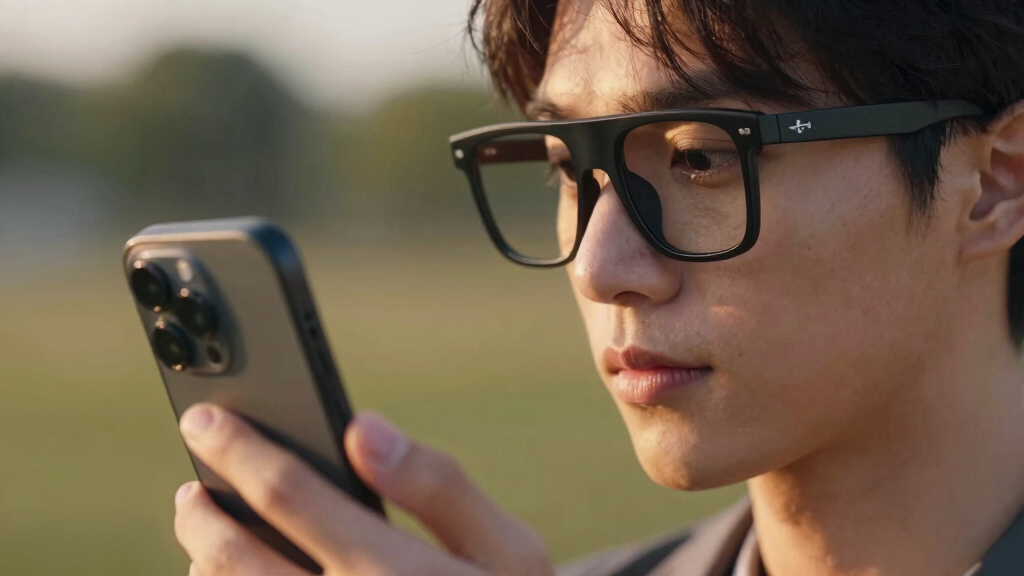
I ranked these smart glasses by how well each one answers a real buying need rather than by the longest spec sheet. The biggest factors were daily wearability, feature usefulness, camera and audio practicality, display experience, device compatibility, privacy design, and value for the expected buyer. I gave higher placement to glasses that make sense outside a demo: frames that people can wear in public, controls that do not feel fussy, features that match the form factor, and ecosystems that reduce setup friction.
The order also reflects the split between AI smart glasses and AR/XR display glasses. Ray-Ban Meta and Oakley Meta models rank higher for everyday buyers because they solve more common needs: calls, photos, voice AI, translation, music, and hands-free capture. XREAL, VITURE, and RayNeo picks rise when the buyer wants a portable virtual screen, but they are less universal because they depend more on connected devices, viewing conditions, and comfort during longer sessions.
Factors to Consider When Choosing Best Smart Glasses
Choosing the best smart glasses starts with being honest about what job I need them to do. Some models are made to replace earbuds and a phone camera for quick moments, while others are closer to wearable displays for games, movies, and work screens. The right pick depends less on one headline feature and more on whether the glasses fit my habits, devices, and comfort limits.
Choose AI Glasses or Display Glasses First
The first decision is whether I want AI smart glasses or AR/XR display glasses. Ray-Ban Meta, Oakley Meta, and the generic AI camera models focus on voice help, photos, video, calls, music, and translation. XREAL, VITURE, and RayNeo glasses are built around a virtual screen, which makes them stronger for gaming, streaming, and laptop-style use. Mixing up these categories is the fastest way to buy the wrong product. A buyer who wants to record a walk or take calls should not start with a display-first model, while a buyer who wants a private 200-inch-plus screen will likely feel limited by camera-first glasses. I would pick the form factor based on the task I will use every week, not the feature that sounds most futuristic.
Pay Attention to Comfort and Social Fit
Smart glasses live or die by whether they feel normal enough to wear. A model like the Ray-Ban Meta Wayfarer has an advantage because its shape is familiar, while more tech-forward AR glasses can feel better suited to a couch, plane seat, or desk. Weight distribution matters as much as total weight, since pressure on the nose or temples can shorten wear time. Buyers who already wear prescription lenses should check frame options and lens support before getting attached to a style. Outdoor users may prefer Oakley Meta designs because the look fits active settings better than a fashion frame. The best smart glasses are the ones I would actually keep on after the novelty fades.
Do Not Treat Camera Specs as the Whole Story
Camera resolution can be useful, but it does not settle the ranking by itself. A generic pair promising 4K capture may sound stronger than a branded model with a lower headline number, yet app reliability, stabilization, storage, capture controls, and privacy indicators shape the real outcome. For social clips and quick photos, ease of capture often matters more than maximum resolution. I would also think about where the glasses will be used, since recording in public carries social friction even when the product is allowed. Models with clearer privacy cues and better-known software ecosystems are usually easier to trust. If the camera is the main reason to buy, I would favor the pair that makes capture simple and sharing predictable.
Check Device Compatibility Before Choosing AR/XR Glasses
Display glasses depend heavily on what I plan to plug them into. XREAL 1S, VITURE Beast, and RayNeo Air models can be compelling for media and gaming, but the experience changes with phones, handheld consoles, laptops, adapters, and USB-C display output support. A buyer should confirm whether their device supports video over USB-C before assuming the glasses will work directly. Some setups may need extra accessories, which adds cost and clutter. Display size claims also need context because a huge virtual screen is only useful if the image is sharp, stable, and comfortable at the distance I prefer. For frequent travelers or handheld gamers, compatibility may matter more than brand style.
Decide When Premium Pricing Is Worth It
Paying more makes sense when the upgrade changes daily use, not just the spec list. A premium pair is easier to justify if it brings better comfort, stronger display clarity, more reliable software, or a frame style I will wear often. It is harder to justify for occasional curiosity, especially because smart glasses still evolve quickly from one generation to the next. Value picks can be smart if they handle one focused task well, such as media viewing or basic AI capture. Buyers should also account for accessories, prescription lenses, cases, and possible adapters, since the shelf price may not be the real final cost. I would spend more for fit and ecosystem before paying extra for a flashy feature I may rarely use.
Frequently Asked Questions
Are Ray-Ban Meta glasses better than AR glasses like XREAL or RayNeo?
Ray-Ban Meta glasses are better for everyday smart features, while XREAL and RayNeo models are better for screen-based entertainment. If I want calls, music, photos, short videos, AI help, and glasses that look normal in public, Ray-Ban Meta is the cleaner choice. If I want a large virtual display for gaming, movies, or using a laptop-style screen, AR/XR glasses make more sense. The tradeoff is that display glasses usually feel more like a tech accessory than all-day eyewear. I would not treat them as direct substitutes, because they solve different problems.
Which smart glasses are best for someone buying their first pair?
For a first pair, I would start with the Ray-Ban Meta (Gen 2) Wayfarer or Meta Ray-Ban (Gen 2) Headliner. They offer the easiest entry point because the design is familiar, the feature set is broad, and the learning curve is gentler than most AR/XR glasses. Beginners should avoid buying purely for the biggest virtual screen or highest camera number unless they already know that is their main use. A first pair should make daily habits easier, not add a pile of adapters and settings. The best beginner choice is usually the one that feels least like a gadget on the face.
Should I choose Oakley Meta or Ray-Ban Meta smart glasses?
Oakley Meta models make more sense for active, outdoor, and sport-leaning buyers, while Ray-Ban Meta models are better for everyday style and social wear. The HSTN and Vanguard designs fit buyers who want a more performance-oriented look or plan to use smart features during walks, workouts, or outdoor routines. Ray-Ban Meta Wayfarer, Skyler, and Headliner frames are easier to blend into casual settings. The smart features may overlap, but the frame identity changes who should buy each one. I would choose based on where I would wear them most often.
Are cheaper AI smart glasses with 4K cameras a good value?
They can be a value pick, but I would be careful with generic AI smart glasses that lead with long feature lists. A 4K camera, translation, object recognition, and waterproof claims sound appealing, yet the real value depends on app support, battery life, audio quality, fit, and how clearly the glasses handle privacy. Compared with Ray-Ban Meta or Oakley Meta options, the risk is usually polish rather than ambition. These models make the most sense for buyers who want to experiment and accept some uncertainty. I would skip them if reliability, brand support, and easy sharing matter more than raw specs.
Which smart glasses are best for gaming and watching movies?
For gaming and movies, I would look first at XREAL 1S, VITURE Beast, and RayNeo Air 4 Pro rather than camera-first smart glasses. These models are built around a virtual screen, so they fit handheld consoles, streaming, and travel entertainment better than Ray-Ban Meta or Oakley Meta. The key checks are device compatibility, image clarity, comfort during long sessions, and whether extra adapters are needed. RayNeo Air 3s can be a more focused media option if I want portable viewing without paying for the most advanced display pick. For entertainment, the best smart glasses are the ones that make the screen feel easy to use for an entire movie or game session.
Conclusion
For most buyers, my best overall pick is the Ray-Ban Meta (Gen 2) Wayfarer because it offers the strongest mix of normal styling, AI features, camera capture, audio, and everyday usefulness. The best value choice is the Ray-Ban Meta (Gen 1) Wayfarer for buyers who want the core smart-glasses idea at a lower expected cost, while the best premium display pick is the VITURE Beast XR/AR Glasses for buyers focused on immersive media. For beginners, the Meta Ray-Ban (Gen 2) Headliner is the safest starting point because it keeps the design approachable. For active buyers, I would choose the Meta Oakley HSTN or Oakley Meta Vanguard; for gaming and movies, I would move toward XREAL 1S or RayNeo Air 4 Pro. The right choice comes down to whether I need smart glasses I can wear anywhere or a portable screen I will use in specific moments.
Columbus Day / Indigenous Peoples' Day Picks
long weekend sales
As an affiliate, we earn on qualifying purchases.