VR headset accessories can make a headset more comfortable, extend play sessions, simplify charging, or open the door to PCVR, but the right choice depends on the problem I want to solve. I rank the BOBOVR M3 Pro Battery Pack Head Strap as the best overall pick because it addresses both Quest 3 and 3S comfort and battery life in one upgrade. The Syntech 16FT Link Cable stands out for wired PCVR, while the SUPERUS Facial Interface & Face Cover Pad is the sharper Quest 2 comfort and hygiene upgrade. The main tradeoffs are added weight versus longer runtime, headset-specific fit versus broad compatibility, and a polished multipurpose accessory versus a lower-cost single-purpose fix. Continue reading for my full breakdown of all 11 picks and the buyer each one suits best.
Complete the kit

Key Takeaways
- BOBOVR M3 Pro ranks first because it is the only listed accessory that combines a replacement head strap with a battery pack, giving Quest 3 and 3S owners two meaningful upgrades in one purchase.
- Comfort dominates this lineup: four of the 11 products replace the head strap, but halo, battery-equipped, and conventional adjustable designs distribute weight differently.
- Facial-interface compatibility is narrow: the two Quest 2 face-cover options do not replace the Meta Quest 3S Breathable Facial Interface for 3S owners.
- Syntech fills the most distinct role because its 16-foot Link Cable adds wired PCVR access, while most other picks improve comfort, storage, charging, or runtime.
- SARLAR and the charging dock have broad appeal, but I rank problem-solving upgrades higher when pressure, short battery life, or PCVR access is the buyer’s main frustration.
| BOBOVR M3 Pro Battery Pack Head Strap |  | Best Overall | Compatibility: Meta Quest 3 and Quest 3S | Battery capacity: 5200mAh | Battery weight: 140g | VIEW LATEST PRICE | See Our Full Breakdown |
| Saqico Head Strap for Meta Oculus Quest 2, Quest 3, and Quest 3S |  | Best Cross-Generation Head Strap | Compatibility: Meta Quest 2, Quest 3, and Quest 3S | Weight: 6.5 oz | Cushion material: Memory foam | VIEW LATEST PRICE | See Our Full Breakdown |
| VR Headset Charging Dock for Meta Quest 3 and Quest 2 |  | Best Desktop Organizer | Compatibility: Meta Quest 2, Quest 3, and Quest 3S | Charging connector: USB Type-C | Material: ABS plastic | VIEW LATEST PRICE | See Our Full Breakdown |
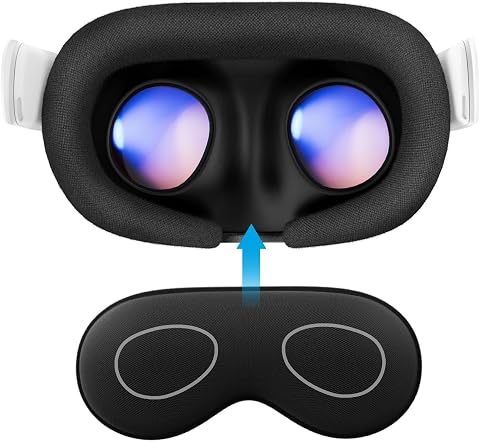
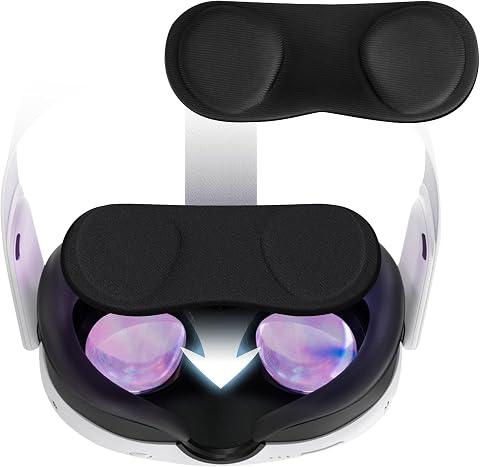
| SUPERUS Facial Interface and Face Cover Pad for Oculus Quest 2 |  | Best Quest 2 Hygiene Upgrade | Compatibility: Oculus Quest 2 | Cover material: PU leather | Padding material: Sponge foam | VIEW LATEST PRICE | See Our Full Breakdown |
| SARLAR Hard Carrying Case for Meta Quest and Vision Pro Headsets |  | Best Compact Travel Case | Compatibility: Meta Quest 3S, Quest 3, Quest 2, Oculus Quest, and Vision Pro | Outer material: High-density durable fabric | Interior material: Eco-friendly felt | VIEW LATEST PRICE | See Our Full Breakdown |
| Kawaye Adjustable VR Head Strap for Meta Quest 3/Quest 2/Quest 3S |  | Best Multi-Headset Strap | Compatibility: Meta Quest 3, Quest 3S, Quest 2 | Head-size range: 22.1–27.5 inches | Padding: Two thick cotton pads | VIEW LATEST PRICE | See Our Full Breakdown |
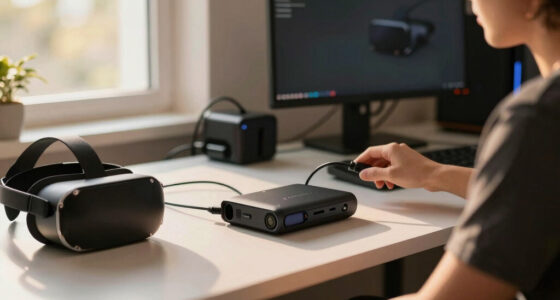
| Syntech Link Cable 16FT for PCVR | 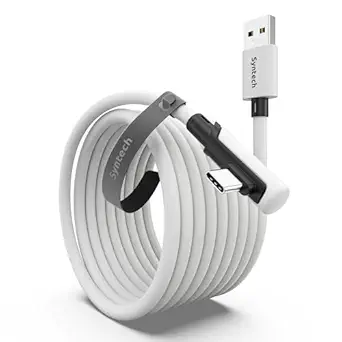 | Best for Wired PCVR | Compatibility: Meta Quest 3S, Quest 3, Quest 2, Quest Pro, and Pico 4 | Cable length: 16 feet | Connection: USB-A to USB-C | VIEW LATEST PRICE | See Our Full Breakdown |
| Face Cushion Pad for Meta Quest 2 |  | Best Easy-Clean Quest 2 Upgrade | Compatibility: Meta Quest 2 | Cover material: PU leather | Padding material: Foam | VIEW LATEST PRICE | See Our Full Breakdown |
| Meta Quest 3S Breathable Facial Interface |  | Best for Quest 3S Ventilation | Compatibility: Meta Quest 3S | Interface material: Breathable fabric | Pad material: Soft silicone | VIEW LATEST PRICE | See Our Full Breakdown |
| VIYISI Battery Pack for Meta Quest 3 and 2 |  | Best Compact Power Boost | Capacity: 5000mAh | Compatibility: Meta Quest 3, Meta Quest 2, Oculus Quest, and USB-C devices | Added playtime: Approximately 2–3 hours | VIEW LATEST PRICE | See Our Full Breakdown |
| KIWI design K4 Head Strap for Meta Quest 3/3S |  | Best Lightweight Comfort Strap | Compatible Devices: Meta Quest 3/3S, Personal Computer | Item Weight: 0.5 pounds | Warranty: 2 years | VIEW LATEST PRICE | See Our Full Breakdown |
| VR headset accessorie | Compatibility |
|---|---|
| BOBOVR M3 Pro Battery Pack Hea | Meta Quest 3 and Quest 3S |
| Saqico Head Strap for Meta Ocu | Meta Quest 2, Quest 3, and Quest 3S |
| VR Headset Charging Dock for M | Meta Quest 2, Quest 3, and Quest 3S |
| SUPERUS Facial Interface and F | Oculus Quest 2 |
| SARLAR Hard Carrying Case for | Meta Quest 3S, Quest 3, Quest 2, Oculus Quest, and Vision Pro |
| Kawaye Adjustable VR Head Stra | Meta Quest 3, Quest 3S, Quest 2 |
| Syntech Link Cable 16FT for PC | Meta Quest 3S, Quest 3, Quest 2, Quest Pro, and Pico 4 |
| Face Cushion Pad for Meta Ques | Meta Quest 2 |
| Meta Quest 3S Breathable Facia | Meta Quest 3S |
| VIYISI Battery Pack for Meta Q | Meta Quest 3, Meta Quest 2, Oculus Quest, and USB-C devices |
| KIWI design K4 Head Strap for | — |
More Details on Our Top Picks
BOBOVR M3 Pro Battery Pack Head Strap
I rank the BOBOVR M3 Pro first because it addresses two common Quest 3 complaints at once: short battery life and front-heavy pressure. Its suspended, adjustable design redistributes weight, while the magnetic 5200mAh battery adds about two hours without a cable trailing to a pocket. Compared with the KIWI design K4 Head Strap, this is the stronger all-in-one upgrade because power is built into the system. It also offers better head support than the clip-on VIYISI Battery Pack. The tradeoff is added weight, and one battery cannot deliver genuinely continuous play; hot-swapping requires another separately sold pack. I see this as the most broadly useful accessory here, but shorter-session players can save money with a non-powered strap.
Pros:- Combines a supportive head strap with extended battery life
- Magnetic battery can be removed or exchanged quickly
- Suspended design shifts pressure away from the face
- Multiple adjustment points accommodate different head shapes
Cons:- A second battery must be purchased for uninterrupted hot-swapping
- The 140g pack increases overall headset weight
- Added runtime varies with apps, brightness, and headset power demand
Best for: Quest 3 and Quest 3S owners who regularly play for several hours and want better weight distribution alongside extra battery life
Not ideal for: Short-session players seeking the lightest possible headset setup, since the battery adds 140g and a spare costs extra
- Compatibility:Meta Quest 3 and Quest 3S
- Battery capacity:5200mAh
- Battery weight:140g
- Additional runtime:Approximately 2 hours
- Battery attachment:Magnetic quick-release
- Adjustment system:Multi-point adjustment
- Strap design:Suspended weight-balancing design
Our verdict“I recommend this as the most complete Quest 3 comfort-and-power upgrade, provided the added weight and spare-battery cost are acceptable.”
Saqico Head Strap for Meta Oculus Quest 2, Quest 3, and Quest 3S
The Saqico Head Strap earns its place through unusually broad compatibility: one detachable design serves Quest 2, Quest 3, and Quest 3S owners. That makes it more flexible than the Quest 3-focused BOBOVR M3 Pro, especially for households sharing multiple headset generations. A 360-degree adjustment knob and top strap let adults and children refine the fit, while memory foam spreads pressure more comfortably than Meta’s basic fabric strap. It remains relatively light at 6.5 ounces and does not attach a battery behind the head. That simplicity also defines its limits. There is no integrated power system, long-session support is less ambitious than BOBOVR’s suspended construction, and the supplied data gives little confidence about long-term hinge or plastic durability. I favor it for adaptable comfort rather than maximum endurance.
Pros:- Works with three Meta Quest headset models
- Memory-foam cushioning reduces pressure from the rigid frame
- Rear knob and top strap allow quick fit changes
- Detachable 6.5-ounce design is easy to pack
Cons:- Provides no battery expansion or powered counterweight
- Support may be less effective during very long sessions than a suspended strap
- Durability and warranty details are not clearly specified
Best for: Households with both Quest 2 and newer Quest headsets that need one adjustable strap design for adults and children
Not ideal for: Quest 3 power users who want an integrated battery or more substantial counterbalancing for multi-hour sessions
- Compatibility:Meta Quest 2, Quest 3, and Quest 3S
- Weight:6.5 oz
- Cushion material:Memory foam
- Frame material:Plastic
- Rear adjustment:360-degree rotatable knob
- Upper adjustment:Adjustable top strap
- Construction:Detachable, lightweight design
Our verdict“I recommend the Saqico for mixed-Quest households that value broad fit compatibility more than battery expansion.”
VR Headset Charging Dock for Meta Quest 3 and Quest 2
I place this VR Headset Charging Dock in the lineup for buyers whose headset, controllers, and charging cable tend to spread across a desk. Unlike the SARLAR Hard Carrying Case, which protects equipment during travel, this stand keeps a Quest headset visible, stable, and ready to charge at home. Its non-slip ABS base provides a defined resting place for the headset and controllers, while detachable construction makes storage straightforward. Compatibility across Quest 2, Quest 3, and Quest 3S adds value for multi-headset homes. Yet the word “charging” overstates the dock’s scope: only the headset receives power, and charging can take three to five hours. Buyers must also supply a suitable Type-C power adapter. I rank it as an organization upgrade with charging convenience, not a full charging station.
Pros:- Stores the headset and controllers in a single defined location
- Charges Quest 2, Quest 3, and Quest 3S headsets through Type-C
- Non-slip pads reduce movement on a desk
- Detachable construction simplifies packing or storage
Cons:- Controller holders provide storage but no charging
- Three-to-five-hour charging time is relatively slow
- A compatible power adapter is required and not specified as included
Best for: Quest owners with a permanent gaming desk who want headset charging and tidy controller storage in one compact stand
Not ideal for: Players expecting simultaneous controller charging or a portable protective case for travel
- Compatibility:Meta Quest 2, Quest 3, and Quest 3S
- Charging connector:USB Type-C
- Material:ABS plastic
- Charging time:3–5 hours
- Supported adapter outputs:5V/3A, 9V/3A, or 12V/3A
- Base grip:Non-slip pads
- Charging coverage:Headset only; controllers are stored but not charged
Our verdict“I recommend this dock for tidy home setups, but buyers wanting controller charging should choose a more capable station.”
SUPERUS Facial Interface and Face Cover Pad for Oculus Quest 2
The SUPERUS Facial Interface and Face Cover Pad is my specialist pick for Quest 2 owners dealing with sweat, pressure marks, or shared-headset hygiene. Its PU leather surface wipes clean more readily than absorbent stock foam, and the sponge padding creates a softer seal around the face. Compared with the basic Face Cushion Pad elsewhere in the roundup, SUPERUS supplies both the pad and replacement facial interface, making it a fuller swap rather than a cushion-only change. Passive vents can reduce heat buildup and lens fogging without adding electronics. Its appeal is narrow, though: Quest 3 and Quest 3S owners cannot use it, the fit may vary across face shapes, and repeated cleaning can shorten the PU coating’s life. I rank it above generic pads for completeness, not universal compatibility.
Pros:- Wipe-clean PU leather supports better shared-headset hygiene
- Replacement interface and padded cover are both included
- Passive vents help reduce trapped heat and lens fog
- Sponge foam can soften pressure around the face
Cons:- Compatible only with Oculus Quest 2
- Interface shape may not seal comfortably on every face
- PU leather can peel or wear after frequent cleaning
Best for: Quest 2 owners who share a headset, play active games, or need a wipe-clean replacement for absorbent stock facial foam
Not ideal for: Quest 3 or Quest 3S users, as the interface is shaped specifically for Oculus Quest 2
- Compatibility:Oculus Quest 2
- Cover material:PU leather
- Padding material:Sponge foam
- Ventilation:Passive air vents
- Fit design:Ergonomic shape for varied facial profiles
- Included interface:Replacement facial interface
- Included pad:Removable face cover pad
Our verdict“I recommend SUPERUS as a complete Quest 2 face-contact upgrade for active or shared use, but its model-specific fit limits its audience.”
SARLAR Hard Carrying Case for Meta Quest and Vision Pro Headsets
I choose the SARLAR Hard Carrying Case for travelers who prefer a small protective shell over maximum accessory capacity. It supports several Quest generations and Vision Pro, with elastic straps and separate spaces that prevent loose components from shifting. Compared with the VR Headset Charging Dock, it trades instant desktop access and charging for shock-resistant portable storage. High-density fabric and felt also guard against scratches without the bulk of a large equipment case. The compact format is both its advantage and its main compromise. A headset with the BOBOVR M3 Pro attached, spare batteries, or several cables may exceed the available space, requiring accessories to be removed or carried separately. I rank it as the strongest travel-focused option in this group, but owners of expanded VR setups need a roomier case.
Pros:- Compact shape fits more easily into larger travel bags
- Shock-resistant materials protect against everyday bumps
- Felt lining and dense fabric reduce surface scratches
- Elastic straps and divided spaces limit movement inside
Cons:- Limited capacity for bulky replacement straps and extra accessories
- Expanded setups may require partial disassembly before packing
- Compact interior leaves little room for future accessory additions
Best for: Frequent travelers carrying a mostly standard Quest or Vision Pro setup who want compact, organized protection
Not ideal for: Owners with bulky aftermarket straps, multiple battery packs, or numerous cables that need to remain packed together
- Compatibility:Meta Quest 3S, Quest 3, Quest 2, Oculus Quest, and Vision Pro
- Outer material:High-density durable fabric
- Interior material:Eco-friendly felt
- Form factor:Compact mini-size case
- Impact protection:Shock-resistant construction
- Surface protection:Anti-scratch lining
- Item retention:Elastic securing straps
- Storage layout:Individual organized compartments
Our verdict“I recommend the SARLAR for compact travel with a standard headset setup, while heavily accessorized rigs need a larger case.”
Kawaye Adjustable VR Head Strap for Meta Quest 3/Quest 2/Quest 3S
I rank the Kawaye Adjustable VR Head Strap as the most versatile strap here because it fits three Quest generations and accommodates head sizes from 22.1 to 27.5 inches. Its dual-strap weight distribution and thick cotton pads should reduce concentrated pressure during longer sessions, while the flip-up design makes short breaks and glasses adjustments easier. Compared with the BOBOVR M3 Pro Battery Pack Head Strap, Kawaye provides a battery compartment rather than bundled power, so extending playtime requires another purchase. It is also broader in compatibility than the Quest 3/3S-only KIWI design K4. The tradeoff is fit consistency: users near either end of the adjustment range may need extra padding or repeated adjustments. I place it above model-specific straps for households sharing multiple Quest headsets.
Pros:- Supports three Meta Quest generations
- Dual straps spread headset weight across the head
- Flip-up design helps glasses wearers and simplifies short breaks
- Tool-free installation takes about 90 seconds
Cons:- Battery compartment does not include the required battery
- Fit may feel tight or loose at the extremes of the adjustment range
- Some users may need extra padding for stable comfort
Best for: Households sharing Quest 2, Quest 3, and Quest 3S headsets that want one adjustable strap design
Not ideal for: Buyers wanting an included battery system or a precisely tailored fit without adding padding
- Compatibility:Meta Quest 3, Quest 3S, Quest 2
- Head-size range:22.1–27.5 inches
- Padding:Two thick cotton pads
- Battery compartment:Yes, supports hot-swappable batteries
- Installation time:Approximately 90 seconds
- Materials:Plastic and cotton
- Strap design:Flip-up design with adjustable dual straps
Our verdict“I recommend Kawaye for multi-headset households that value broad compatibility more than an included power solution.”
Syntech Link Cable 16FT for PCVR
The Syntech 16FT Link Cable earns its place by opening access to PC and SteamVR games across Quest and Pico headsets. Its 5Gbps data ceiling supports the stable, low-latency connection wired PCVR demands, while 16 feet gives players more room than a short charging cable. The L-shaped USB-C plug and included Velcro strap help reduce cable pull at the headset. Compared with the VIYISI Battery Pack, Syntech expands what the headset can run rather than merely extending standalone playtime; the price is a physical tether to the PC. I would choose it for seated simulators and room-scale PCVR where connection stability outweighs wireless freedom. Buyers also need a USB 3.0 or faster USB-A port, and this cable is not intended to keep the headset charged through a long session.
Pros:- Up to 5Gbps data transfer supports responsive PCVR play
- 16-foot length provides substantial distance from the gaming PC
- L-shaped headset connector reduces direct strain on the USB-C port
- Works with several Quest models and Pico 4
Cons:- Does not provide enough power to serve as a headset charging solution
- Wired design can wrap around the player during active games
- Full performance requires a USB 3.0 or faster port
Best for: Quest or Pico owners with a gaming PC who prioritize a stable wired SteamVR connection and generous movement range
Not ideal for: Standalone VR players or laptop owners lacking a USB 3.0 USB-A port
- Compatibility:Meta Quest 3S, Quest 3, Quest 2, Quest Pro, and Pico 4
- Cable length:16 feet
- Connection:USB-A to USB-C
- Maximum data speed:Up to 5Gbps
- Headset connector:L-shaped USB-C
- Warranty:18 months
Our verdict“I recommend Syntech to PCVR players who accept a cable in exchange for stable access to PC and SteamVR titles.”
Face Cushion Pad for Meta Quest 2
I would pick this Meta Quest 2 Face Cushion Pad for owners who share a headset or play sweat-heavy fitness games. Its PU leather surface can be wiped with a microfiber cloth, giving it a simpler cleaning routine than absorbent fabric interfaces. L-shaped vents and exhaust holes address heat buildup, while the foam adds a softer contact layer around the face. Compared with the Meta Quest 3S Breathable Facial Interface, this option favors wipe-clean PU leather over breathable fabric and supports only Quest 2. The Velcro attachment makes replacement straightforward, but the fit may not block every trace of outside light across different face shapes. PU leather also depends on careful cleaning for longevity. I rank it as a practical hygiene and comfort upgrade, not a reason to replace an interface that already fits perfectly.
Pros:- PU leather surface is easy to wipe between users
- Foam padding improves facial contact comfort
- L-shaped vents and exhaust holes help limit heat buildup
- Velcro mounting allows quick removal and installation
Cons:- Compatible only with Meta Quest 2
- May not stop all light leakage on every face shape
- PU leather durability depends on use and cleaning habits
Best for: Quest 2 fitness players and shared-headset households that need a facial pad that wipes clean easily
Not ideal for: Quest 3 or Quest 3S owners, or buyers who prefer breathable fabric against the skin
- Compatibility:Meta Quest 2
- Cover material:PU leather
- Padding material:Foam
- Vent design:L-shaped vents with exhaust holes
- Attachment:Velcro
- Cleaning method:Wipe with a microfiber cloth
- Light management:Designed to reduce light leakage
Our verdict“I recommend this pad for Quest 2 owners who put easy cleaning and sweat management ahead of fabric breathability.”
Meta Quest 3S Breathable Facial Interface
The Meta Quest 3S Breathable Facial Interface is my ventilation-focused choice for longer sessions on that headset. Breathable fabric permits more airflow around the face, while soft silicone pads and a flexible frame create an adaptive contact surface. Compared with the PU leather Face Cushion Pad for Meta Quest 2, this interface favors airflow and softness rather than the fastest wipe-down routine. That makes it better suited to one regular user than a headset passed between several people. Its biggest limitation is Quest 3S-only compatibility; Quest 2 and Quest 3 owners should skip it entirely. The flexible fit may also take a few adjustments before pressure and seal feel balanced, and individual face shapes can still affect light control. I rank it highly for heat-sensitive Quest 3S players, but below universal accessories because it serves a much narrower audience.
Pros:- Breathable fabric helps reduce trapped heat
- Soft silicone pads provide gentle facial contact
- Flexible frame adapts to different face shapes
- Quick installation requires little setup
Cons:- Works only with Meta Quest 3S
- May need repeated adjustment to balance fit and seal
- Fabric is less convenient to wipe between multiple users than PU leather
Best for: Heat-sensitive Meta Quest 3S owners who play long sessions and prefer a breathable fabric interface
Not ideal for: Quest 2 or Quest 3 owners, and shared-headset users who need a fully wipeable facial surface
- Compatibility:Meta Quest 3S
- Interface material:Breathable fabric
- Pad material:Soft silicone
- Frame:Flexible design
- Installation:Simple, quick installation
- Included component:Facial interface
- Case availability:Carrying case options available
Our verdict“I recommend this interface to dedicated Quest 3S users who value airflow more than cross-headset compatibility or rapid cleaning.”
VIYISI Battery Pack for Meta Quest 3 and 2
I rank the VIYISI 5000mAh Battery Pack as the best compact way to add roughly two to three hours without replacing the headset strap. Its slide-in form keeps the headphone jack accessible, and the secure buckle is intended to hold the pack during energetic play. Compared with the BOBOVR M3 Pro Battery Pack Head Strap, VIYISI is a smaller standalone power accessory rather than a combined strap-and-battery system. It is also more useful for wireless Quest play than the Syntech Link Cable, which tethers the headset to a PC and is not a charging solution. The compromise is limited capacity: 5000mAh favors low weight over marathon runtime. Players must also check the attachment before vigorous sessions because the pack sits directly on the headset. Its ability to charge other USB-C devices adds use beyond VR.
Pros:- Adds approximately two to three hours of headset playtime
- Compact design avoids replacing the existing head strap
- Does not obstruct the headphone jack
- Can also charge other USB-C devices
Cons:- 5000mAh capacity is modest for very long sessions
- Must be attached securely before active gameplay
- Adds weight directly to one side of the headset
Best for: Quest 2 and Quest 3 owners who want two to three extra hours without changing their existing head strap
Not ideal for: All-day VR users who need more than 5000mAh or players who dislike attaching weight directly to the headset
- Capacity:5000mAh
- Compatibility:Meta Quest 3, Meta Quest 2, Oculus Quest, and USB-C devices
- Added playtime:Approximately 2–3 hours
- Attachment:Slide-in design with secure buckle
- Form factor:Lightweight and compact
- Charge indicator:Battery-level indicator
- Headphone-jack access:Remains unobstructed
- Secondary use:Portable charger for USB-C devices
Our verdict“I recommend VIYISI for wireless Quest players seeking a portable runtime boost without committing to a battery head strap.”
KIWI design K4 Head Strap for Meta Quest 3/3S
I rank the KIWI design K4 Head Strap as the Best Lightweight Comfort Strap because its 0.5-pound build, memory-foam cushion, rear dial, and hinge address facial pressure during active Quest 3/3S sessions. Compared with the BOBOVR M3 Pro, the K4 drops the battery hardware, making it lighter and simpler but offering no extra playtime. It also takes a more compact, conventional approach than the Saqico Halo Headband, which may appeal to buyers who prefer a close, secure fit over halo-style pressure distribution. I place it behind more versatile accessories because compatibility stops at Quest 3 and 3S, while its fit range may miss unusually small or large heads. Fast adjustment and a stable fit make it a smart exercise pick, though padding-sensitive marathon players may want a thicker alternative.
Pros:- Rear dial and hinge allow quick fit adjustments between players
- Memory-foam cushioning spreads pressure more comfortably than the standard strap
- Secure design limits headset movement during fast-paced games
- Lightweight 0.5-pound construction avoids the bulk of battery-equipped straps
Cons:- Provides no additional battery capacity, unlike the BOBOVR M3 Pro
- Fit may be less comfortable at the extremes of the supported head-size range
- Cushioning may feel too thin during very long sessions
Best for: Quest 3 and 3S owners who play active games and want a light, quickly adjustable replacement strap without battery bulk
Not ideal for: Marathon players needing extra battery life or users with unusually small or large heads who may struggle to achieve a comfortable fit
- Compatible Devices:Meta Quest 3/3S, Personal Computer
- Item Weight:0.5 pounds
- Warranty:2 years
- Included Components:K4 Comfort Headstrap, PU Leather Cushion, User Manual
- Style Number:QS02
- Age Range:Adult/Youth
- Unit Count:1
- Manufacturer:Shenzhen Hongjiantou Technology Co., Ltd.
Our verdict“I recommend the K4 to active Quest 3 or 3S players who value low weight and secure adjustment more than added battery life.”
How We Picked
I evaluated each product through five buyer-focused filters: headset compatibility, the size of the improvement it promises, day-to-day usability, build design, and upkeep. Since this list spans straps, face covers, power accessories, a cable, a dock, and a case, I compared how effectively each option solves its intended problem rather than treating every feature as interchangeable. Products that address frequent pain points ranked above accessories offering occasional convenience, and multipurpose designs earned extra credit when their functions supported one another. I also weighed value by usefulness, not merely by which item might carry the lowest price.
The BOBOVR M3 Pro takes the lead because its comfort-and-runtime combination offers wider day-to-day value than a single-purpose pad or stand. Within narrower roles, I favored clear advantages: Syntech provides long cable reach for PCVR, SARLAR covers several headset families, and the dedicated face interfaces target sweat and pressure more directly than straps alone. I treated stated compatibility as a hard boundary because an appealing accessory has little value if it cannot mount correctly or blocks another component. I also lowered the placement of products carrying meaningful compromises, including added battery weight, cable tethering, reduced breathability, or limited headset support.
Factors to Consider When Choosing VR Headset Accessories
I would start by identifying the one issue that most often cuts a VR session short. Comfort, runtime, PCVR access, storage, and charging call for different solutions, and buying across several categories at once can hide which upgrade made a difference. The best purchase usually removes a repeated point of friction while fitting the headset and any accessories already attached. My guide below focuses on compatibility traps, practical tradeoffs, and when a higher price makes sense.
Match the Accessory to the Exact Headset
I treat the headset model as the first filter because Quest 2, Quest 3, and Quest 3S do not share every mounting point or facial-interface shape. A head strap may support multiple generations while a facial interface fits only one, so a broad brand reference is not enough. For a charging accessory, I check whether the product merely holds the headset and supplies a cable or also handles controllers and contact-based charging. A battery pack or replacement strap must leave the USB-C port, speakers, and adjustment controls accessible. The common mistake is shopping by the Meta Quest name without checking the generation listed in the small print. Before buying, I would verify the exact model, attached strap, and case clearance together.
Fix the Problem That Ends Sessions First
I get the strongest return when an accessory addresses the reason I stop playing. If facial pressure ends a session, I would prioritize a head strap or interface; if the battery dies first, I would shop for added power. A Link cable makes sense when access to PCVR games matters more than untethered movement, while a case pays off when the headset regularly leaves home. Buying several convenience items before fixing poor fit can leave the main frustration untouched. A multipurpose product may justify more cost, but a single-purpose accessory can be the smarter buy when the need is narrow. My rule is to fund the largest recurring improvement before adding organization or cosmetic upgrades.
Balance Extra Runtime Against Added Weight
Battery capacity does not translate directly into identical playing time because headset load, charging losses, and the applications being run all affect runtime. A rear-mounted battery strap can counterbalance the front-heavy visor, yet it also raises total weight. A compact plug-in power bank preserves the original strap but may place weight near the charging port or introduce a short cable that can move during active games. Longer sessions can also create more heat and pressure, so added power works best when the underlying fit is already comfortable. For fast movement, I would pay more attention to secure mounting and weight distribution than the capacity figure alone. Seated-media users may prefer lighter removable power, while frequent players can gain more from an integrated battery strap.
Choose Comfort Materials Around Heat and Cleaning
I separate comfort into load distribution, skin contact, and heat management because one accessory rarely changes all three equally. A halo-style strap shifts pressure toward the forehead, while a conventional adjustable strap generally secures the visor between the face and rear of the head. PU leather pads wipe clean easily and resist sweat absorption, but they can feel warmer than a breathable or fabric-lined surface. Vented interfaces can help during fitness sessions, though their openings may admit more external light if the fit is poor. Glasses wearers should also check lens clearance and face depth, not just padding thickness. For shared headsets, I would prioritize removable, wipeable contact surfaces over soft materials that are difficult to clean.
Account for Setup Space and Accessory Overlap
A useful accessory can become inconvenient when it conflicts with another part of the setup. Charging stands need a stable surface and nearby outlet, while a hard case needs enough internal room for the replacement strap or battery that remains attached. For wired PCVR, I would check the computer’s USB data capability and plan cable routing before paying for extra length. A long cable adds freedom, but loose slack can catch on furniture or pull at the headset port without a strain-relief clip. Beginners may get more daily value from simple storage and charging habits than from a complicated arrangement of adapters. I would pay more for better fit, cable management, or case clearance when the accessory will be handled every day.
Frequently Asked Questions
Can I Use the Same Accessories With Quest 2, Quest 3, and Quest 3S?
I would not assume that an accessory fits all three headsets unless each model is named by the manufacturer. Head straps sometimes span generations when the package includes suitable mounting hardware, but facial interfaces usually follow the headset’s exact shell shape. Docks and cases may offer broader support, although large replacement straps can change the required clearance. Charging-port access and controller storage can also differ even when the headset itself fits. I would verify the full compatibility list and check whether it covers the finished accessory setup, not only a stock headset.
Should I Buy a Battery Head Strap or a Compact Power Bank?
I would choose a battery head strap when comfort and longer runtime need improvement at the same time. Its rear battery may balance the visor better, though the complete headset becomes heavier and bulkier. A compact power bank costs less space and lets me retain a strap I already like, but its weight and connector position may feel less stable during vigorous play. Removable power is also easier to leave behind for shorter sessions. The better choice comes down to whether I value integrated balance or minimal hardware more.
Is a Link Cable Better Than Wireless PCVR?
A Link cable is the safer choice when I want a consistent wired data path and do not want PCVR quality tied to home Wi-Fi conditions. Wireless play offers freer movement, but it depends on router placement, network traffic, and the computer’s connection to that router. A 16-foot cable provides useful room, yet it still needs routing that keeps it away from feet and furniture. Wired play can also place repeated stress on the headset port if the cable hangs without support. I would choose Syntech for reliability and reach, while selecting wireless play for movement-heavy games in a strong network setup.
Should I Replace the Head Strap or Facial Interface First?
I would replace the head strap first when the visor feels front-heavy, slips during movement, or creates pressure around the cheeks. A facial interface is the better starting point when the main problems are sweat, skin irritation, light leakage, or a worn face pad. Changing both can improve comfort, but it also changes how close the eyes sit to the lenses and how the headset balances. Glasses wearers should be especially careful with thicker pads because added cushioning can reduce usable interior space. I would match the first purchase to the exact pressure point, then add the second comfort layer only if the issue remains.
Is a Charging Dock or Carrying Case More Useful for a First Accessory?
I would pick a charging dock for a headset that stays in one room and often gets put away with a low battery. A dedicated resting place can make charging more habitual, but a basic stand may not charge controllers or accommodate every replacement strap. A hard carrying case offers more value when the headset travels, is shared between homes, or needs protection from dust and impacts. Larger cases take more storage space, and internal fit can change after adding a battery strap. For a stationary setup I favor charging convenience; for regular transport I favor protection.
Conclusion
For most Quest 3 or 3S owners, my best overall pick is the BOBOVR M3 Pro because it combines a comfort upgrade with extra battery power. Quest 2 shoppers seeking the lowest-commitment targeted upgrade should choose my best value pick, the PU Leather Face Cushion Pad. Buyers who want a polished comfort-first replacement without battery bulk should select the premium KIWI design K4, while newcomers wanting an easy place-and-charge routine get the clearest fit from the beginner-friendly VR Headset Charging Dock.
For wired PCVR, I would choose the Syntech 16FT Link Cable; for travel, the broadly compatible SARLAR Hard Carrying Case makes more sense. The Meta Quest 3S Breathable Facial Interface is my pick for warm or fitness-heavy 3S sessions, while the VIYISI Battery Pack suits buyers wanting compact extra power without replacing their strap. I would choose Saqico for halo-style support, Kawaye for an adjustable strap spanning several listed Quest models, and SUPERUS when a Quest 2 owner wants a complete facial-interface replacement rather than a pad alone. My final choice would follow the issue that interrupts play most often, since comfort, runtime, PCVR access, charging, and protection call for different accessories.