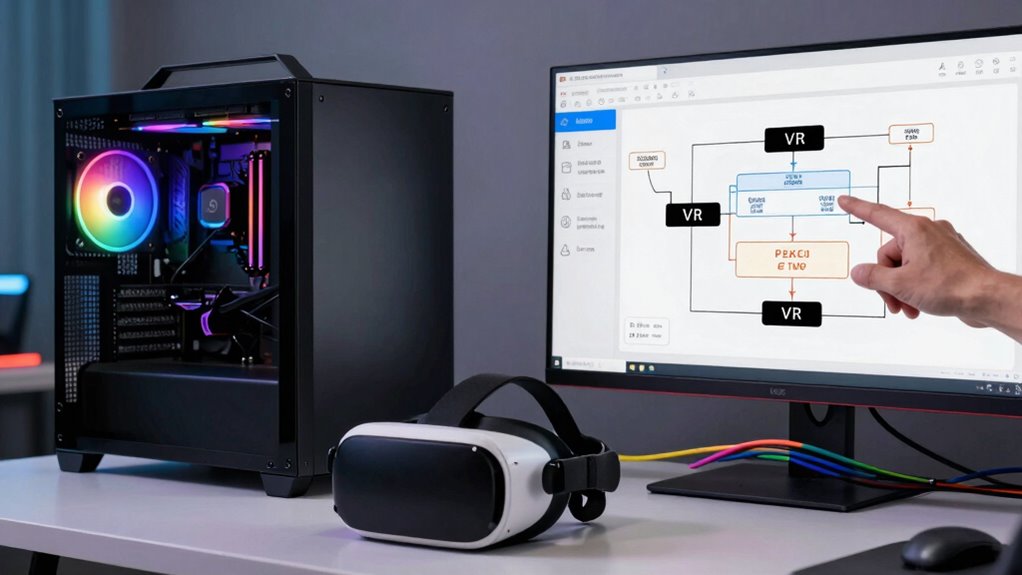
To simplify PCVR troubleshooting without guessing, start by ensuring your hardware meets the system requirements and is correctly connected. Keep all software and drivers up to date, and restart your PC to clear glitches. Follow a logical sequence: check hardware connections, update software, and recalibrate sensors. Use reputable troubleshooting guides and community resources for targeted solutions. Staying organized and systematically verifying each component helps you identify issues quickly; more tips await to streamline your process further.

Play games on Amazon Luna for your next adventure, included with Prime
- A rotating selection of games, no download needed
- Play on TV, laptop or phone
- Fast, free delivery for your gear, too
Key Takeaways
- Follow a structured troubleshooting sequence: hardware checks, software updates, and connection verifications.
- Use official troubleshooting guides and community forums for targeted solutions.
- Keep system and device drivers up to date to prevent compatibility issues.
- Reboot and reset VR components systematically to clear common glitches.
- Maintain proper sensor placement and consistent cable connections to ensure stable tracking.
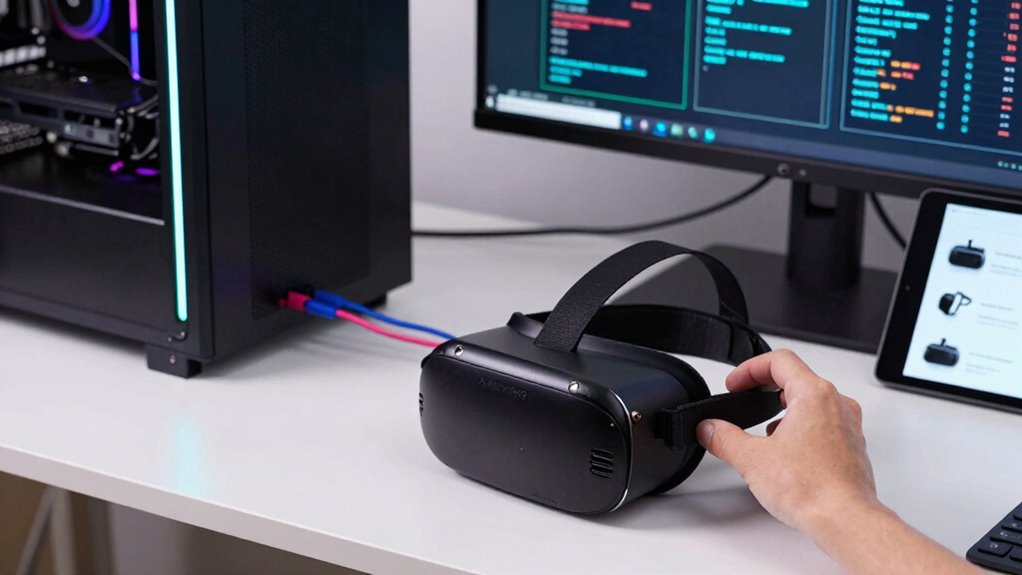
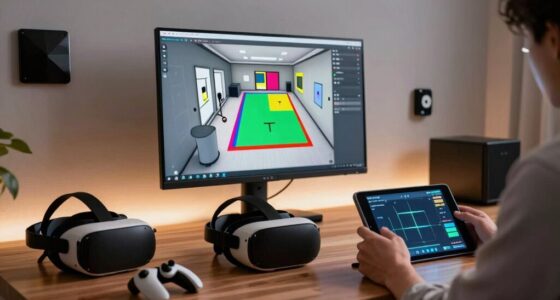
Troubleshooting PCVR issues can often feel overwhelming, but breaking down the process into manageable steps makes it much easier. The first thing to check is whether your hardware is compatible with your VR system. Hardware compatibility is vital because if your PC doesn’t meet the minimum specifications or your components aren’t supported, you’ll encounter performance issues or outright failures. Make sure your GPU, CPU, RAM, and ports align with the manufacturer’s recommended specs. If any hardware is outdated or incompatible, replacing or upgrading parts can save you hours of frustration later. Also, verify that your VR headset and controllers are correctly connected and recognized by your PC. Sometimes, simple loose connections or faulty cables cause more problems than you’d expect.
Check hardware compatibility and connections first to prevent most VR troubleshooting issues.
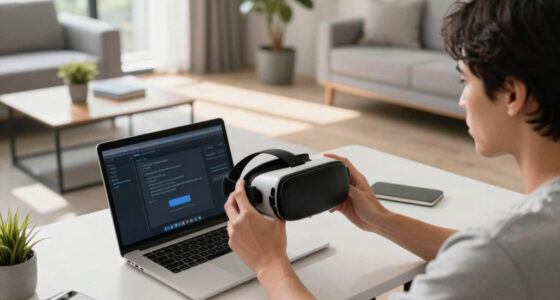
Next, confirm your software is up to date. Software updates are essential because they often include bug fixes, performance improvements, and new features that resolve known issues. Check both your VR platform (like SteamVR or Oculus software) and your graphics card drivers. Outdated drivers or VR software can cause compatibility issues, lag, or tracking problems. Updating your graphics card driver is straightforward: visit the manufacturer’s website—NVIDIA, AMD, or Intel—and download the latest version. Similarly, keep your VR platform and headset firmware current, as these updates often address bugs or expand device support. After updating, restart your PC to make sure the changes take effect.
Once the hardware and software are aligned, you should run through some basic troubleshooting steps. Restart your PC and the VR headset to clear any temporary glitches. Disconnect and reconnect cables, making sure connections are secure and undamaged. Check your USB ports—using a different port can sometimes resolve connectivity issues. If tracking feels off, recalibrate your sensors or base stations, ensuring they’re placed correctly and have a clear line of sight. To prevent recurring issues, regularly verify hardware compatibility and ensure your system meets all requirements. If problems persist, consider resetting your VR settings to default, as customized configurations can sometimes cause conflicts. Additionally, understanding hardware compatibility and its importance can help prevent many common issues before they arise. To further troubleshoot, ensure your system’s software updates are current, as outdated software is a common culprit behind persistent problems. It can also be helpful to verify your system’s performance metrics to identify any bottlenecks or resource issues that might be affecting your VR experience. Consulting support forums or troubleshooting guides** for your specific VR system can often provide targeted solutions based on others’ experiences. Remember, troubleshooting isn’t about guessing; it’s about systematically ruling out potential causes—hardware compatibility, outdated software, connection issues, or configuration errors. By keeping your system updated, checking compatibility, and following a logical sequence, you’ll resolve most problems efficiently and get back to your immersive experience** without unnecessary stress.
As an affiliate, we earn on qualifying purchases.
Frequently Asked Questions
How Often Should I Update My VR Headset Firmware?
You should update your VR headset firmware as soon as updates are available. Regular firmware updates help fix bugs, improve performance, and address compatibility issues, ensuring your VR experience stays smooth. Don’t wait too long; outdated firmware can cause compatibility issues with new games or hardware. Check for updates weekly or when notifications appear, so you’re always running the latest version and minimizing troubleshooting efforts.
Can I Troubleshoot PCVR Issues Without Professional Help?
You can definitely troubleshoot PCVR issues without professional help by trying DIY fixes and tapping into community support. Start by checking connections, updating drivers, and resetting your headset. Don’t hesitate to browse forums or watch tutorials—many users have faced similar problems. Remember, a problem shared is a problem halved, so engaging with online communities can provide quick solutions. With patience and resourcefulness, you often solve issues yourself.
What Are Common Causes of Tracking Problems?
Tracking problems often stem from improper controller calibration or poor sensor placement. If your controllers drift or lag, recalibrate them through your VR software. Make certain sensors are positioned correctly, avoiding obstructions and placing them at ideal heights and angles. Regularly check connections and clean sensor lenses. These simple steps improve tracking accuracy, reducing the need for guesswork and making troubleshooting more straightforward.
How Do I Optimize PC Settings for VR Performance?
To optimize your PC settings for VR performance, start by adjusting graphics and resolution settings for smoother gameplay, ensuring VR comfort. Update your graphics drivers and check hardware compatibility to prevent issues. Disable background applications that consume resources, and set your power plan to high performance. Keep your system cool and clean, and consider overclocking if your hardware supports it. These steps enhance performance, reduce latency, and improve overall VR comfort.
Is There a Way to Back up VR Configuration Files?
Think of your VR configuration files as a treasure chest of settings—protect it with a VR backup. You can locate these files in your system’s app data or installation folders, then copy and store them safely elsewhere. This way, if your setup ever gets corrupted, you can restore your configuration files quickly, ensuring your virtual adventures continue smoothly without the hassle of starting from scratch.
As an affiliate, we earn on qualifying purchases.
Conclusion
Troubleshooting your PCVR is like steering through a maze—you just need the right map. Instead of guessing, follow a clear, step-by-step path, checking each component like a detective piecing together clues. Keep your cool, stay organized, and don’t be afraid to ask for help. With patience and a methodical approach, you’ll turn your troubleshooting chaos into a smooth ride, transforming frustration into victory—your virtual world awaits, ready for you to dive back in with confidence.
As an affiliate, we earn on qualifying purchases.
As an affiliate, we earn on qualifying purchases.
Fall Picks
fall essentials
As an affiliate, we earn on qualifying purchases.